More than 1.5 billion children and young people have been affected by the closing of schools worldwide and many are online now taking classes and socialising, the UN's children's agency UNICEF said.
"Spending more time on virtual platforms can leave children vulnerable to online sexual exploitation and grooming, as predators look to exploit the COVID-19 pandemic. A lack of face-to-face contact with friends and partners may lead to heightened risk-taking such as sending sexualised images, while increased and unstructured time online may expose children to potentially harmful and violent content as well as greater risk of cyberbullying," the UNICEF said.
Global Partnership to End Violence Executive Director Howard Taylor said the coronavirus pandemic has led to an unprecedented rise in screen time.
"School closures and strict containment measures mean more and more families are relying on technology and digital solutions to keep children learning, entertained and connected to the outside world, but not all children have the necessary knowledge, skills and resources to keep themselves safe online."
The UNICEF together with its partners, Global Partnership to End Violence Against Children, International Telecommunication Union, United Nations Educational, Scientific and Cultural Organisation and World Health Organisation among others is releasing a new technical note aimed at urging governments, educators and parents to be alert and ensure children's online experiences are safe and positive during COVID-19.
ADVERTISEMENT
Parents should ensure that their children's devices have the latest software updates and antivirus programmes. "Under the shadow of COVID-19, the lives of millions of children have temporarily shrunk to just their homes and their screens. We must help them navigate this new reality," said UNICEF Executive Director Henrietta Fore.
"We call on governments and industry to join forces to keep children and young people safe online through enhanced safety features and new tools to help parents and educators teach their children how to use the internet safely."
The agencies are asking governments to keep child protection services open and active during the pandemic and to train health, education and social service workers on the impacts that COVID-19 may have on their well-being, including increased online risks.
ADVERTISEMENT
Moreover, they are requested to step up awareness raising and educational initiatives on cyber safety and to provide local helplines and hotlines.
Meanwhile, the information technology industry, including social networking platforms, are requested to enhance online platforms with more safety measures, especially while using virtual learning tools.
ADVERTISEMENT
They are also invited to promote and facilitate child safety referral services and helplines as well as help connect disadvantaged children in low-income households, the UNICEF said.
Schools are asked to update current safeguarding policies to reflect the new realities for children learning from home and ensure that they have continued access to school-based counselling services.
Parents are charged with making sure that their children's devices have the latest software updates and antivirus programmes. They are also encouraged to speak to their children on how and with whom they are communicating online and to set new internet rules, the UN agency and its partners said.
Coronavirus Can Get Children Worried: Here's How To Have The Talk
1/7
In the wake of coronavirus, several schools and colleges have been shut in many parts of the world to contain the spread of COVID-19. As public awareness and conversations around the novel virus increase, the situation can get the children anxious and worried for their family members and friends.
Parents, family members, teachers, healthcare professionals and trusted adults play a significant role in helping children make sense of what they hear in a way that is honest, accurate and minimise their fear or anxiety.
Dr Sreenath Manikanti, Senior Consultant Neonatologist & HOD Fortis La Femme Hospital, Richmond Road, Bangalore shares a few tips to help make the corona conversation easier around children.
In the wake of coronavirus, several schools and colleges have been shut in many parts of the world to contain the spread of COVID-19. As public awareness and conversations around the novel virus incr..
Read More
- Remember that children react to how and what things are said
- Children pick up cues from conversations you have with them and others
- Patiently listen to what they say, and allow them to ask questions
- Avoid using words that might blame others and lead to stigma
- Remember that the virus can make anyone sick. Avoid making assumptions about who might have COVID-19
- Pay attention to what children see, hear or read on television, radio or online
- Reduce the amount of screen time for children focused on COVID-19. Too much information on any one topic can lead to anxiety and worry
- Provide information to kids that is honest and accurate. Give information that is truthful and appropriate for the age and developmental level of the child
- Talk to children about how some stories on COVID-19 on the internet and social media may be based on rumours and inaccurate information
- Teach chilren everyday actions to reduce the spread of germs
- Stay calm and keep information simple
- Reassure children that health and school authorities are working very hard to keep everyone safe and healthy
- Teach dos and don'ts at home, schools and play areas
- Remember that children react to how and what things are said
- Children pick up cues from conversations you have with them and others
- Patiently listen to what they say, and allow them to ask qu..
Read More
- Stay 6 feet away from people who are coughing or sneezing or sick
- Cough or sneeze into a tissue or your elbow, and then throw the tissue into a closed bin
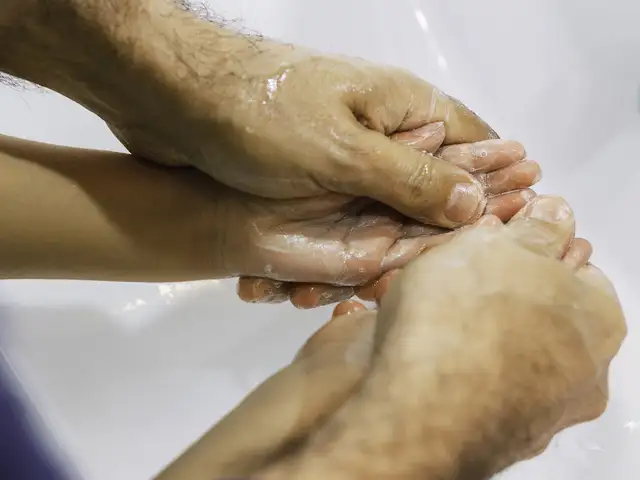
- Wash hands with soap and water for at least 20 seconds, especially after blowing nose, coughing or sneezing, after using restroom, and before eating or learning to prepare food
- If soap and water are not available, teach children to use hand sanitiser
- Stay 6 feet away from people who are coughing or sneezing or sick
- Cough or sneeze into a tissue or your elbow, and then throw the tissue into a closed bin
- Wash hands with soap and water for a..
Read More
- Avoid touching mouth, nose, eyes and face with unclean hands
- Avoid coughing or sneezing into hands
- Avoid crowded places
- Avoid touching surfaces in public places and play areas unnecessarily
- Avoid touching mouth, nose, eyes and face with unclean hands
- Avoid coughing or sneezing into hands
- Avoid crowded places
- Avoid touching surfaces in public places and play areas unnecessaril..
Read More
What is COVID-19?
- COVID-19 is the short name for 'coronavirus disease 2019'
- It is a new virus. Doctors are still learning more about it
- Recently, this virus has made a lot of people sick
- Doctors and scientists think that most people will be alright, especially kids, but some people might get very sick
- Doctors and experts are working hard to help people stay healthy
What is COVID-19?
- COVID-19 is the short name for 'coronavirus disease 2019'
- It is a new virus. Doctors are still learning more about it
- Recently, this virus has made a lot of people sick
- ..
Read More
- Practice healthy habits at home, school and play to help protect against the spread of COVID-19
- Cough or sneeze into a tissue or your elbow. If you sneeze or cough into a tissue, throw it in the dustbin right away
- Keep your hands out of your mouth, nose and eyes. This will help keep germs out of your body
- Wash your hands with soap and water for at least 20 seconds. If you don’t have soap and water, use hand sanitiser to clean the germs
- Keep things clean and hygienic
- If you have cough & fever, stay home. Just like you don’t want to get other people’s germs in your body, other people don’t want to get your germs either
- If you are old enough, you can help adults at home and school clean the things we touch the most like desks, doorknobs, light switches and remote controls
- Practice healthy habits at home, school and play to help protect against the spread of COVID-19
- Cough or sneeze into a tissue or your elbow. If you sneeze or cough into a tissue, throw it in the..
Read More
- COVID-19 can look different in different people. From what doctors have seen so far, most kids don’t seem to get very sick
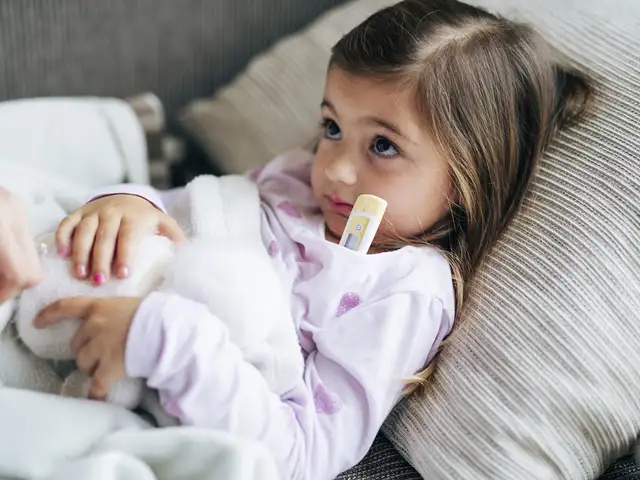
- Being sick with COVID-19 would be a little bit like having the flu. Children may get a fever, cough or have a hard time taking deep breaths
- Most people who have contracted COVID-19 don't get very sick. Only a small group of people who get it have had more serious problems
- If you suspect your child may have COVID-19, call Government of India helpline +91-11-23978046 or contact nearest healthcare facility to let them know before you bring your child in to see them
- COVID-19 can look different in different people. From what doctors have seen so far, most kids don’t seem to get very sick
- Being sick with COVID-19 would be a little bit like having the flu. Chi..
Business News › Magazines › Panache › Beware, parents: Your child may be at risk of online sexual exploitation & cyberbullying during pandemic lockdownText Size:AAA