At PM Narendra Modi’s second-term swearing-in at Rashtrapati Bhavan, Dal Raisina played a starring role.
The US Senate has an interesting link with India. As in many assemblies and courts its presiding officer uses a gavel, hammering it to break through arguments and assert authority over the proceedings. It is not the usual wooden hammer, but an ivory cylinder.
The gavel was over a century old and had taken much pounding when, during a debate in 1954 the presiding officer, vicepresident Richard Nixon, hit it so hard it fell apart. Lacking elephants for ivory in America, the Senate turned to the newly opened embassy of India, which happily obliged.
A replacement ivory gavel was made in India and presented to the Senate in 1954 by vice-president S Radhakrishnan who said he hoped it would inspire the senators to debate “with freedom from passion and prejudice”.
Whether this has happened is debatable but given the pounding that gavel must be getting in this divisive age perhaps India should consider offering a second replacement.
A second link with the Senate might be provided by pulses. At prime minister Narendra Modi’s recent second-term swearing-in at Rashtrapati Bhavan there was much media interest in the Dal Raisina that played a starring role in the menu for the occasion.
While bean soup’s origins are unclear, they are a New England tradition.
ADVERTISEMENT
This had apparently been invented in 2010 by chef Machindra Kasture and was made from urad dal and rajma slow-cooked — exactly how long is unclear, though the 48 hours cited by some reports probably refers to both soaking and cooking since even rajma might disintegrate if cooked for two days — and finished off with the herby, bitter notes of kasuri methi.
The US Senate has its own slow cooked soup, made with navy beans which are like small white rajma. It is cooked with pork knuckles, which contribute a great flavour and texture if cooked long enough to release their gelatine, and most recipes given for it usually add mashed potatoes for a heartier texture. The soup’s origins are unclear. Bean soups are a New England tradition, but food historians note that slow-cooking with pork is more typical of the American South, and this would fit with the Senate cooks being mostly African-American men, originally slave cooks.
Senate history links the soup to either Senators Fred Dubois of Idaho or Knute Nelson of Minnesota. Both midwestern states are major pulse producers. Farmers there realised that pulses, with their nitrogen fixing roots, could restore soil fertility if rotated with other crops.
The pulses themselves were less important, until it was realised they could be fed to livestock grown for meat. Today these pulses are also exported to India, one country which values them for food, though this hasn’t prevented our governments shamefully neglecting pulse cultivation and allowing us to become dependent on these foreign farmers.
ADVERTISEMENT
US Senators appreciate the commercial interests of their states and this might explain why Bean Soup is served every day in the Senate’s dining room. It would be nice if Dal Raisina too could become a much-needed reminder to Indian politicians of the importance of pulses in Indian lives.
Smoothies, Sprouts, Soups: Get Your Diet Right For Monsoon
1/8
People usually fall sick during monsoon as the moisture in the air triggers growth and proliferation of many harmful micro-organisms. You must be very cautious about your food during rainy season as the wrong food will give rise to a variety of infections and diseases.
Reema Narang, Dietician at Doctor Insta, and Mehar Rajput, Dietician at Fitpass, shares some advice for people to include these superfoods in their daily diet.
People usually fall sick during monsoon as the moisture in the air triggers growth and proliferation of many harmful micro-organisms. You must be very cautious about your food during rainy season as ..
Read More
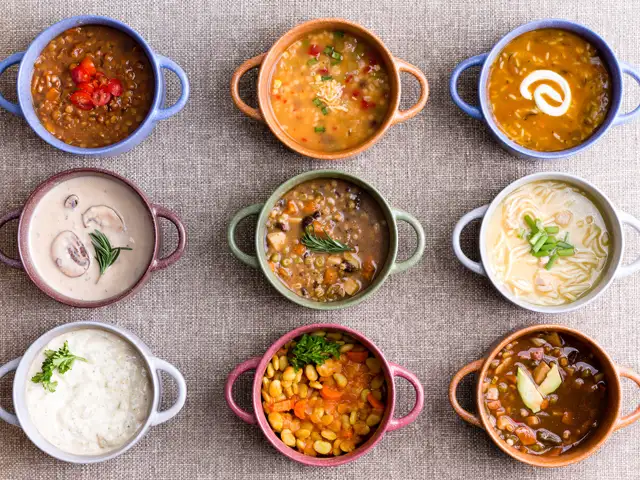
Instead of eating chaat and pakodas try having soups during your snack time. Soups are full of nutrition and give satiety. As well as it is easy to digest and is light on your digestive system. It is recommended to drink soups with ginger, garlic, and black pepper. These spices not only increase its taste but also help in improving your immunity. It also acts as a hydrant for your body during the humid weather as humidity speeds up the dehydration in your body and leaves you with fatigue and nausea.
Instead of eating chaat and pakodas try having soups during your snack time. Soups are full of nutrition and give satiety. As well as it is easy to digest and is light on your digestive system. It is..
Read More
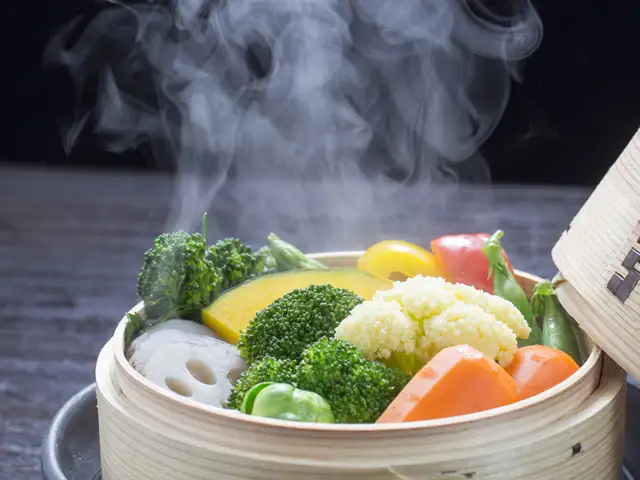
Steaming softens vegetables while maintaining most of their nutrients, especially water-soluble compounds that are easily damaged by heat like Vitamin C. Steaming vegetables not only removes germs from them but also helps them retain more texture and flavor. Some of the staples of steamed vegetable are broccoli, mushrooms, carrots, and tomatoes.
Steaming softens vegetables while maintaining most of their nutrients, especially water-soluble compounds that are easily damaged by heat like Vitamin C. Steaming vegetables not only removes germs fr..
Read More
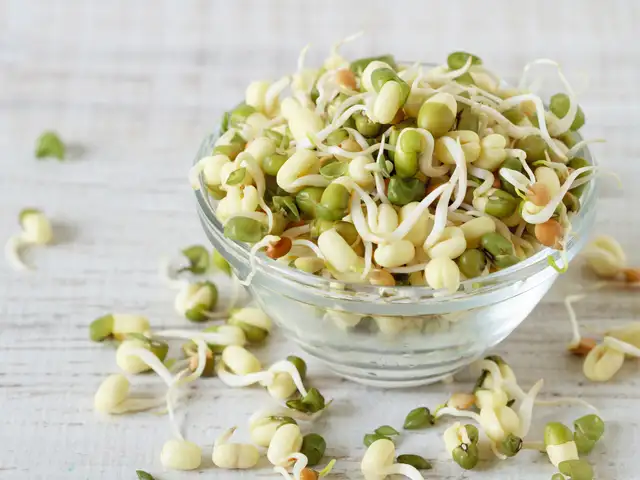
Sprouts are good for your health and it should be included in diet especially during monsoon as they will boost your immunity. You can have sprouts of green moong dal, kala chana, and chole with chopped onion, tomato and lemon juice. Make your sprout chaat tangy and tasty and you can have it in breakfast, lunch and in snack time.
Sprouts are good for your health and it should be included in diet especially during monsoon as they will boost your immunity. You can have sprouts of green moong dal, kala chana, and chole with chop..
Read More
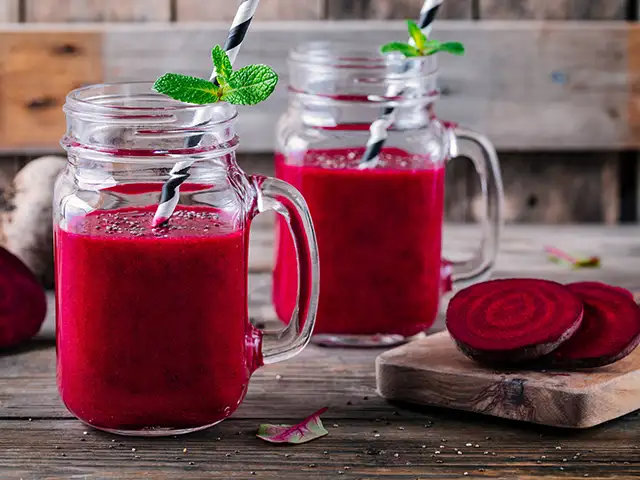
Juices are a no go in the monsoons, so replacing them with smoothies is the way to go. Avoid leafy vegetables like kale, spinach, cabbage etc and use organic food like cucumbers, oranges, mangoes, tomatoes for the required nutrition. Smoothies are not only easy to make but also are time-saving. Adding chia seeds to the smoothie acts as an energy booster for your body.
Juices are a no go in the monsoons, so replacing them with smoothies is the way to go. Avoid leafy vegetables like kale, spinach, cabbage etc and use organic food like cucumbers, oranges, mangoes, to..
Read More
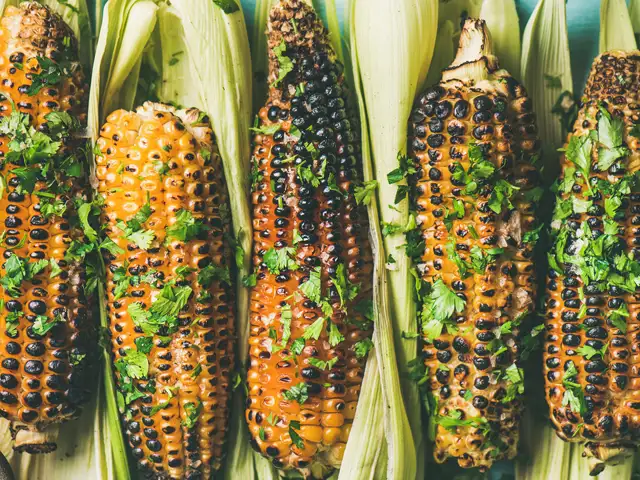
Whether you are eating it from the cob or the bhel version, corn has many health benefits. It lowers blood pressure, reduces cholesterol and acts as a diabetes manager. Corn is also rich in fiber and starch, which ensures smooth functioning of the digestive system. Corn bhel is very healthy as well as a treat for your taste buds.
Whether you are eating it from the cob or the bhel version, corn has many health benefits. It lowers blood pressure, reduces cholesterol and acts as a diabetes manager. Corn is also rich in fiber and..
Read More
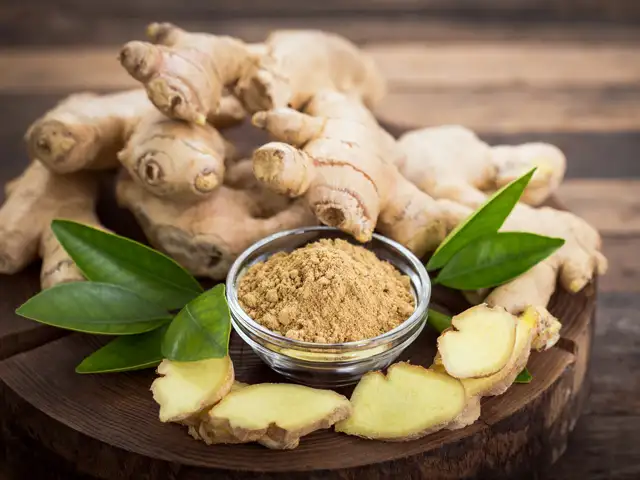
Ginger is a miracle spice and has several health benefits. Herbal teas with ginger like tulsi ginger tea, ginger, and black pepper tea will warm you up and improve your immunity. It is a rich source of chromium, magnesium, and zinc that improves the overall blood flow. It has antibacterial and antiviral properties that help in fighting against cold and flu. Coughing and congestions are a common problem during monsoon. Ginger's expectorant properties loosen the mucus from the lungs. It also soothes lung tissues.
Ginger is a miracle spice and has several health benefits. Herbal teas with ginger like tulsi ginger tea, ginger, and black pepper tea will warm you up and improve your immunity. It is a rich source ..
Read More
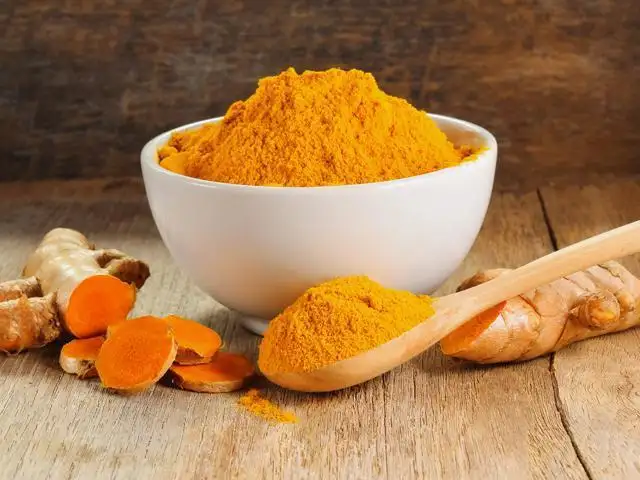
The golden yellow spiced powder is a well know immunity boosting agent. It is a miracle spice and should be included during monsoon. It has antibacterial and anti-inflammatory properties. It is also known to keep the sugar level under control. You should drink a cup of milk with1/4th tsp in the monsoon to keep safeguard yourself from monsoon illness.
(Text: IANS)
The golden yellow spiced powder is a well know immunity boosting agent. It is a miracle spice and should be included during monsoon. It has antibacterial and anti-inflammatory properties. It is als..