Artificial, small molecules may help tackle heart attack & other cardiovascular disorders
A 2018 Lancet study says, India accounts for about a fifth of cardiovascular deaths globally.
By PTI |
Getty Images
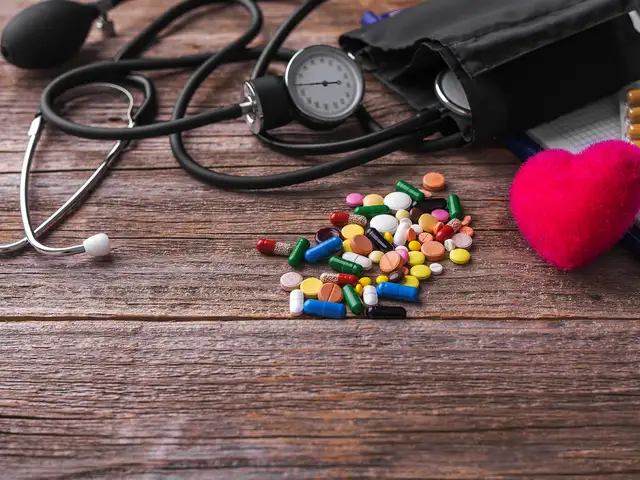
Nano molecules that may help treat cardiovascular diseases, one of the top killers in India.
NEW DELHI: Nano molecules that may help treat cardiovascular diseases, one of the top killers in India, as well as conditions such as hypertension are being "synthesised" in a Bengaluru lab under the watchful eye of an Indian scientist.
Professor G Mugesh and his team at the Indian Institute of Science are working on synthetic molecules such as artificial enzymes, which may help develop novel ways to tackle cardiovascular disorders, including heart attacks.
"What we do is, we synthesise these compounds in a chemistry lab, and study them for biological applications, particularly keeping in consideration their potential use in some major diseases," Mugesh told in an interview.
Endothelial dysfunction, a risk factor for plaque build-up inside arteries, and hypertension are also on the list of "cures".
The team started with basic research on cellular studies in the lab, and is now planning to carry out animal studies.
Their research on the biological properties of novel small molecules and nanomaterial for use in biomedical research is the subject of global attention.
ADVERTISEMENT
According to a study in The Lancet journal in August 2018, India accounts for about a fifth of cardiovascular deaths globally.
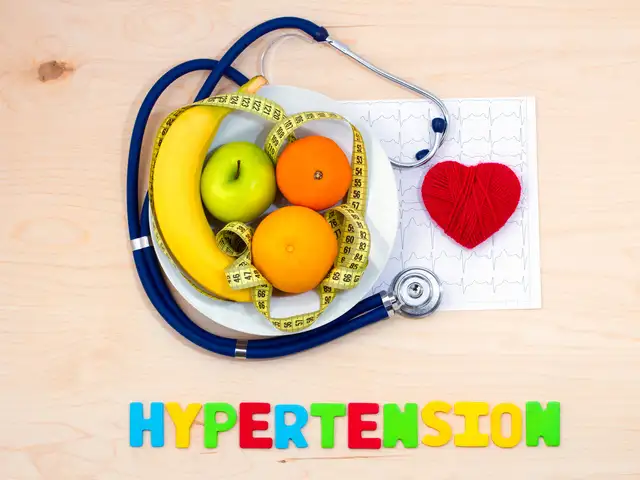
Hypertension May Show No Signs: 18+ Adults Should Check BP, Limit Alcohol Intake To 2 Drinks, Cut Down On Salt
1/7
Hypertension is the most common and preventable risk factor for heart attacks, heart failure, stroke, kidney disease, and blockage of leg arteries causing pain and gangrene.
While it is important to follow a healthy lifestyle, one must educate oneself to control hypertension.
One can keep blood pressure (BP) under control with certain changes like eating a healthy diet (fruits/vegetables), working out daily, taking up a weight loss programme, quitting smoking, managing stress with yoga/meditation, and following up on medications and doctor's appointment regularly.
From lowering sodium intake to reducing alcohol intake, Dr Nikesh D Jain, Consultant Cardiologist at Jaslok Hospital and Research Centre, shares facts and myths about hypertension.
Hypertension is the most common and preventable risk factor for heart attacks, heart failure, stroke, kidney disease, and blockage of leg arteries causing pain and gangrene.While it is important to f..
Read More
Hypertension is known as the 'silent killer'. More than 50% hypertension patients do not show any signs or symptoms for many years, and continue to damage blood vessels of important organs in the body. Some patients may experience symptoms like headache, palpitations, chest pain and breathlessness due to hypertension.
As soon as an individual turns 18, he/she should ensure checking blood pressure. There is an increasing prevalence of hypertension in younger age group, and is expected to increase further due to lifestyle changes.
Hypertension is known as the 'silent killer'. More than 50% hypertension patients do not show any signs or symptoms for many years, and continue to damage blood vessels of important organs in the bo..
Read More
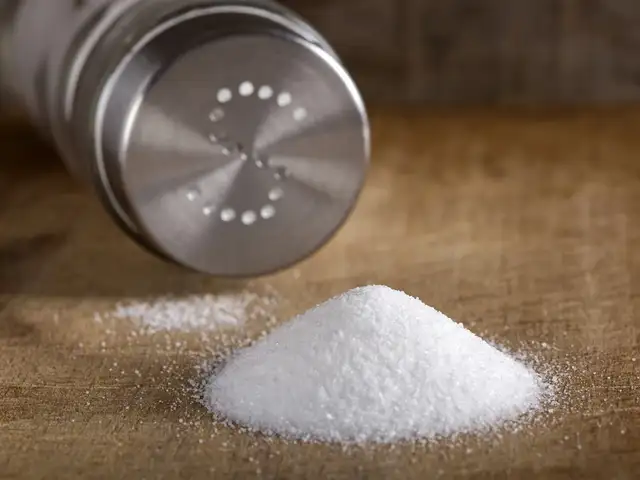
Salt restriction is the most important and effective way to control BP. Daily salt intake should not exceed 4-6 gram/day. Restricting salt means cutting down on intake of Sodium (Na). Apart from the regular table salt, we end up consuming a lot of sodium (approximately 75%) hidden in processed foods like sauce, packaged foods, chips, and junk food. While buying prepared or packaged foods, always look for Sodium (Na) content, and avoid high intake sodium-rich food items.
Kosher salt and table salt are the same, and both contain 40% sodium.
Salt restriction is the most important and effective way to control BP. Daily salt intake should not exceed 4-6 gram/day. Restricting salt means cutting down on intake of Sodium (Na). Apart from the..
Read More
Have a strong family history of hypertension puts you at a greater risk of developing the condition at an early age. However, healthy lifestyle changes have helped patients in delaying the onset of hypertension, and even preventing it in some cases.
Have a strong family history of hypertension puts you at a greater risk of developing the condition at an early age. However, healthy lifestyle changes have helped patients in delaying the onset of ..
Read More
Alcohol, when consumed in excess, causes hypertension, stroke, heart failure, irregular heartbeats, high cholesterol, cancer, and even accidents.
Alcohol intake should be restricted to two standard drinks per day for men and one drink daily for women. One standard drink equals 14 grams of pure alcohol - which is found in 340 grams of beer, over 110 grams of wine and more than 40 grams of distilled spirits.
Alcohol, when consumed in excess, causes hypertension, stroke, heart failure, irregular heartbeats, high cholesterol, cancer, and even accidents.
Alcohol intake should be restricted to two standard..
Read More
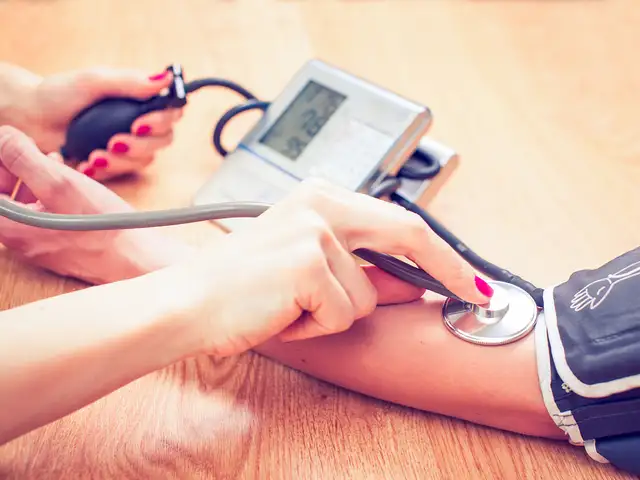
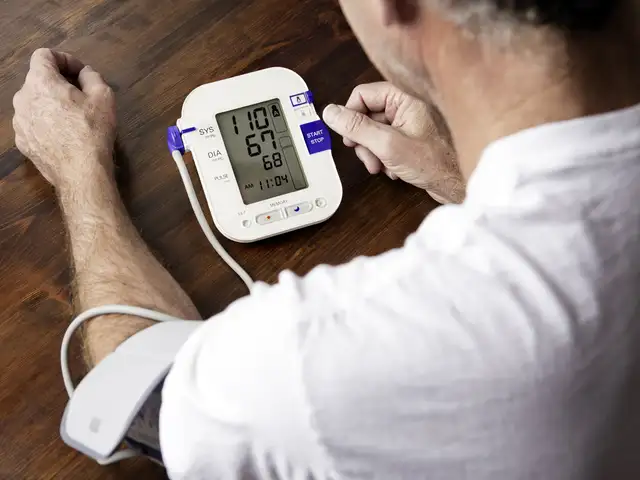
It is important to regularly monitor BP, and keep it under control. BP should be checked not only during the follow-up doctor's visit, but also regularly at home or workplace. BP levels fluctuate as per the body's activity level, stress or anxiety.
It is vital to check BP in the morning, evening and night. During these checks, avoid wide fluctuations. Doctor may also advise 24-hour ambulatory BP monitoring for the same.
It is important to regularly monitor BP, and keep it under control. BP should be checked not only during the follow-up doctor's visit, but also regularly at home or workplace. BP levels fluctuate as..
Read More
Medicines keep BP under control. Stopping medications can be harmful as it can raise BP to dangerous levels.
Hypertension is a lifelong disease, so medications have to continue lifelong. Though doses of medications can be occasionally reduced or stopped, if healthy lifestyle changes has been followed strictly. But, this should be under supervision of the doctor.
Medications can cause side-effects, but everyone doesn't experience it. Doctor regularly monitor for side-effects on follow-up visits. They may advise blood tests, if medications are changed or doses are increased. However, uncontrolled blood hypertension can cause more harm, so don't stop/change medications without consulting your doctor.
Medicines keep BP under control. Stopping medications can be harmful as it can raise BP to dangerous levels.
Hypertension is a lifelong disease, so medications have to continue lifelong. Though dose..
Cardiovascular diseases caused more than 2.1 million deaths in India in 2015 at all ages, or more than a quarter of all deaths, the Lancet study found.
The new molecules created by Mugesh and his team functionally mimic some key enzymes which do not work properly under diseased conditions.
Enzymes are molecules which significantly speed up the rate of almost all chemical reactions that take place within the cells. Biological molecules - typically proteins - are vital for life and serve important functions in the body, such as in cardiovascular system, digestion and metabolism.
ADVERTISEMENT
"Our idea is basically to substitute the function of these enzymes with that of artificial enzymes. Artificial enzymes include nanomaterial that function as enzymes. These are emerging as a new type of compounds that exactly mimic the function of the natural enzymes in the human cells," Mugesh explained.
Mugesh, who works in the field of chemical biology -- an interface of chemistry and biology -- was on November 7 awarded the USD 100,000 Infosys Prize 2019 in Physical Sciences for his seminal work in the chemical synthesis of small molecules and nanomaterial for biomedical applications.
ADVERTISEMENT
"We are in the 11th year of the Infosys Science Prize and we have more than 60 awardees, whom we have recognised, and many of them have gone on to do bigger and better things, e.g. two people won the Nobel prize this year -- professor Abhijit Banerjee and Esther Duflo," S D Shibulal, president of the Infosys Science Foundation (ISF), told .
Mugesh has worked on the design and synthesis of small molecules that functionally mimic enzymes containing selenium atoms, called selenoenzymes -- which protect cell components against oxidative stress -- in mammalian cells. Cardiovascular diseases caused more than 2.1 million deaths in India in 2015 at all ages, or more than a quarter of all deaths, the Lancet study found. Oxidative stress is a disturbance in the balance between the production of reactive oxygen species (free radicals) and antioxidant defenses.
The researchers are focusing on the disorders which occur due to the change in the redox state -- gaining and losing of electrons by important chemicals in the cell.
"What we are trying to address is that can we bring these abnormal cells to the normal physiological state. Because when these redox changes happen, the physiological process of the cell becomes pathological. That's where we are testing these molecules," he explained.
While looking for enzymes to treat cardiovascular diseases, the team is targeting the redox regulation pathway, which involves enzymes such as 'superoxidase dismutase', and 'glutathione peroxidase', both of which play important roles in cardiovascular health.
While 'superoxidase dismutase' controls the formation of superoxides -- which cause oxidation of important chemicals in the cell - 'glutathione peroxidase' regulates the levels of hydrogen peroxide, which is a signalling molecule.
Signalling molecules help in the communication process that governs basic activities of cells.
"What we feel is that the initial leads that we have got are very encouraging. We will certainly consider taking the research to the next level," Mugesh said.
Mugesh's recent research is aimed at the use of halogen bonding or bonds in elements such as chlorine and iodine, as a strategy to efficiently deliver proteins and synthetic small molecules into human cells.
World Hypertension Day: BP Shooting Up? Berries, Oats, Bananas Will Keep You Calm
1/11
Hypertension has become a modern-day health concern for people with sedentary lifestyle.
While regular check-ups and physical activities to maintain the soaring blood pressure (BP), one should also ensure a dietary control to stay healthy. Eating a healthy diet, consuming less sodium, reducing alcohol intake, and quitting smoking are some other essential steps people with high BP should follow.
Dr Mayur Jain, Consultant and Interventional Cardiologist at Jaslok Hospital and Research Centre shares a list of superfoods that can help you lower blood pressure.
NOTE:People with kidney problems or any underlying conditions should consult a specialists before changing their diet. It is important to monitor your blood pressure twice a week followed by regular check-up by the doctor.
Hypertension has become a modern-day health concern for people with sedentary lifestyle.
While regular check-ups and physical activities to maintain the soaring blood pressure (BP), one should also ..
Read More
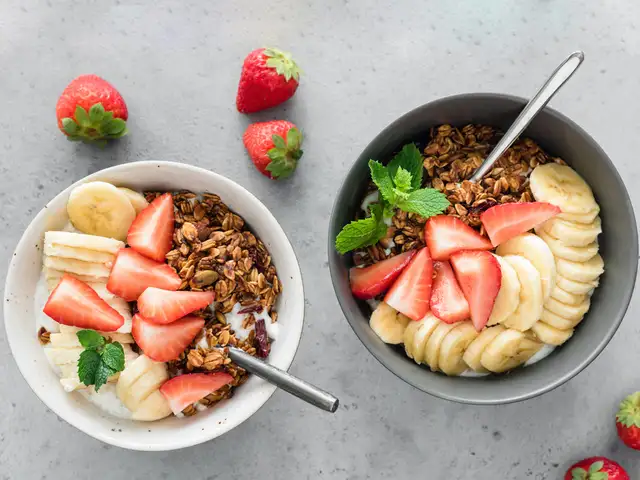
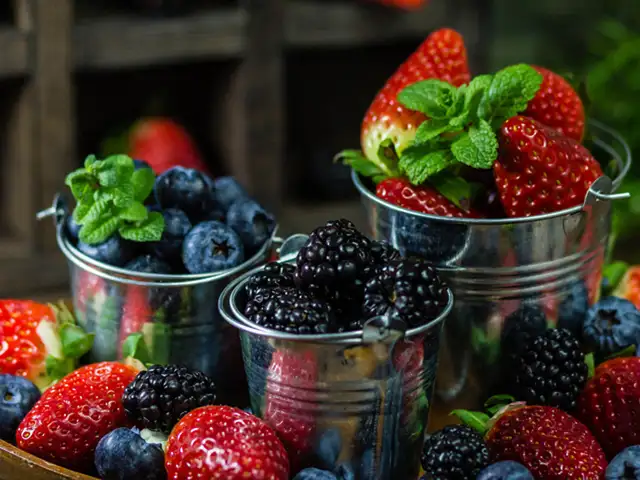
Blue berries and strawberries contain antioxidants compounds called anthocyanin. Studies have shown high intake of anthocyanin helps in lowering blood pressure.
Blue berries and strawberries contain antioxidants compounds called anthocyanin. Studies have shown high intake of anthocyanin helps in lowering blood pressure.
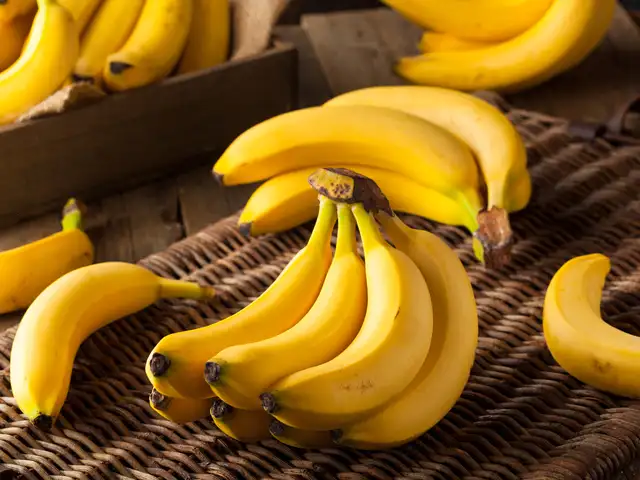
Bananas are rich in potassium, a mineral that plays a vital role in managing hypertension.
Bananas are rich in potassium, a mineral that plays a vital role in managing hypertension.
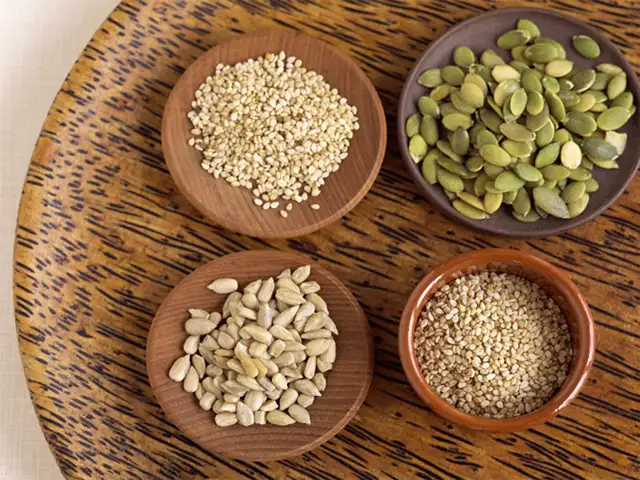
1/4 cup of sunflower, pumpkin or squash seeds (unsalted) are high in potassium, magnesium and other minerals known to reduce blood pressure.
1/4 cup of sunflower, pumpkin or squash seeds (unsalted) are high in potassium, magnesium and other minerals known to reduce blood pressure.
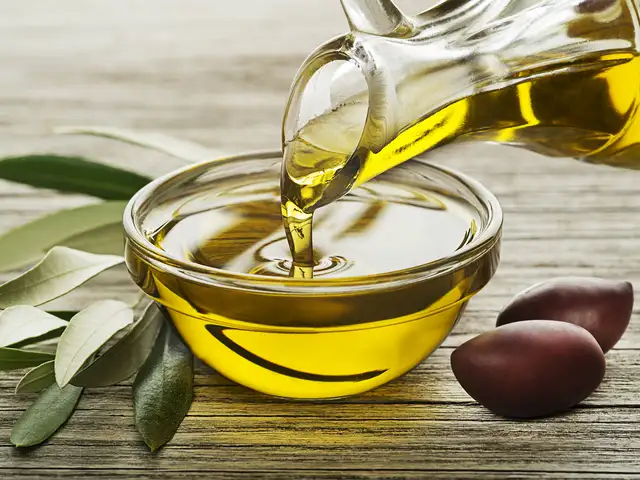
Olive oil contains polyphenols which are inflammation fighting compounds that can help reducing blood pressure.
Olive oil contains polyphenols which are inflammation fighting compounds that can help reducing blood pressure.
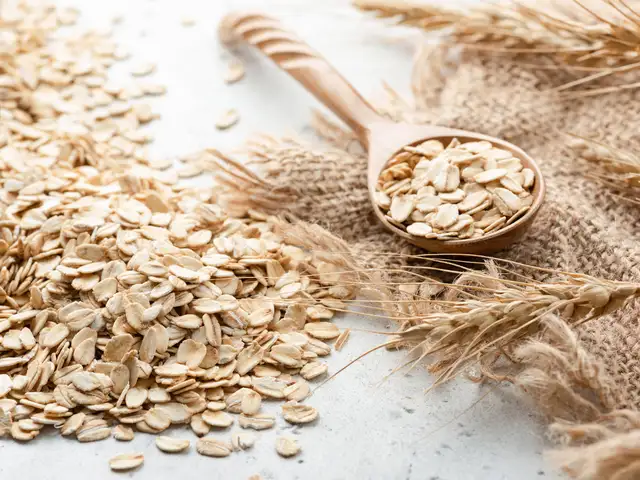
Oatmeal contains a type of fibre called as Beta-Glucan which helps in lowering blood pressure.
Oatmeal contains a type of fibre called as Beta-Glucan which helps in lowering blood pressure.
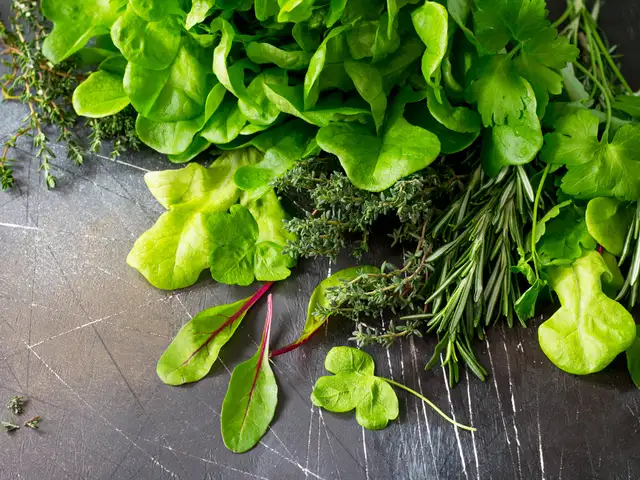
A intake of 1 to 2 serving of green leafy vegetables which are high in nitrates will help in reducing blood pressure.
A intake of 1 to 2 serving of green leafy vegetables which are high in nitrates will help in reducing blood pressure.
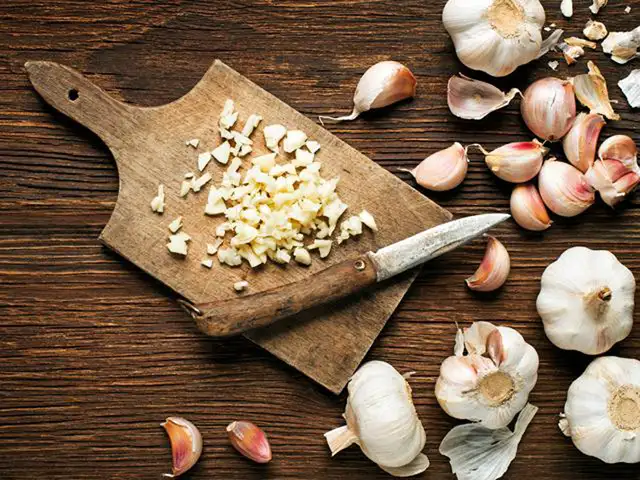
A natural antibiotic and antifungal food, the active ingredient 'Allicin' present in garlic helps lowering blood pressure, also has many other health benefits.
A natural antibiotic and antifungal food, the active ingredient 'Allicin' present in garlic helps lowering blood pressure, also has many other health benefits.
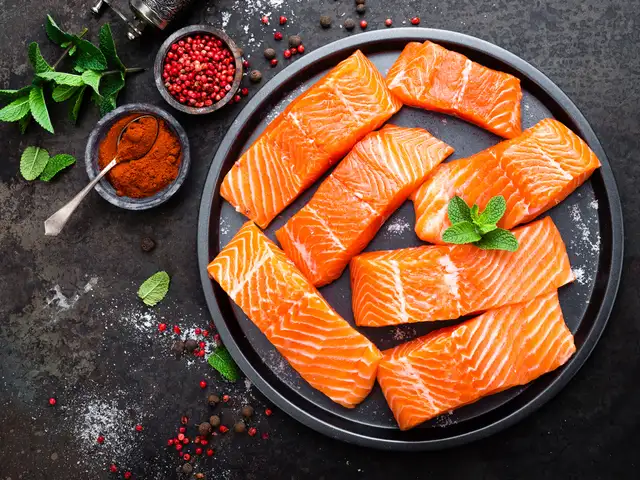
Fish are a great source of lean protein. Fish like Salmon and Mackerel are rich in omega-3 fatty acids which helps lowering blood pressure, reduce inflammation and reduces triglycerides.
Fish are a great source of lean protein. Fish like Salmon and Mackerel are rich in omega-3 fatty acids which helps lowering blood pressure, reduce inflammation and reduces triglycerides.
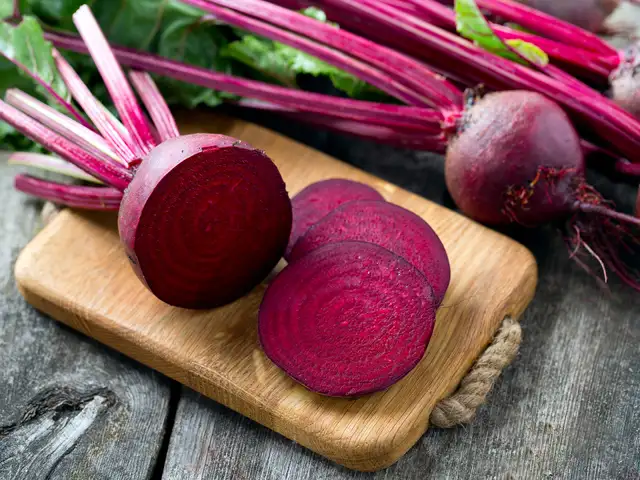
Researches have suggested that high levels of inorganic nitrates in beetroot help in reducing blood pressure.
Researches have suggested that high levels of inorganic nitrates in beetroot help in reducing blood pressure.
Cellular delivery of proteins and small molecules is a major challenge in drug discovery and biomedical research, and Mugesh's strategy to use the halogen bond-mediated cellular uptake paves the way for the efficient delivery of therapeutic proteins and small molecule drugs into human cells.
In cellular experiments, researchers were able to increase the cellular uptake of the molecules by up to 95-98 per cent by introducing an iodine atom into these molecules.
"When we make new molecules and new enzymes, basically it is important that these molecules enter the cells. Otherwise it is difficult for us to go ahead with the drug discovery process," he said.
"To show the desired effects inside the cells, we found that our compounds are able to cross cell membranes," said Mugesh, a postdoctoral fellow at The Scripps Research Institute in California before taking up his current post in Bengaluru.
Mugesh noted that human trials can be done in the future depending on the outcomes of the animal studies.
Drug discovery, he said, is a multi-stage process which takes at least 10-15 years to get into human clinical trials.
Tech Advances Prepared To Defend Earth From Asteroids, 3D Print Hearts
1/8
Emergence of a 3D printed heart, thermal tracking of asteroids, algorithms to forecast disruptions in nuclear fusion and more are turning science fiction into reality.
Emergence of a 3D printed heart, thermal tracking of asteroids, algorithms to forecast disruptions in nuclear fusion and more are turning science fiction into reality.
Scientists have found an ingenious way to spot tiny near-Earth objects (NEOs) early as they hurtle towards the planet. Instead of using visible light to spot incoming NEOs, researchers at NASA’s Jet Propulsion Laboratory used a characteristic of NEOs — their heat. Asteroids and comets are warmed by the sun and so glow brightly at thermal wavelengths, making them easier to spot with the Near-Earth Object Wide-field Infrared Survey Explorer (NEOWISE) telescope.
Scientists have found an ingenious way to spot tiny near-Earth objects (NEOs) early as they hurtle towards the planet. Instead of using visible light to spot incoming NEOs, researchers at NASA’s Jet ..
Read More
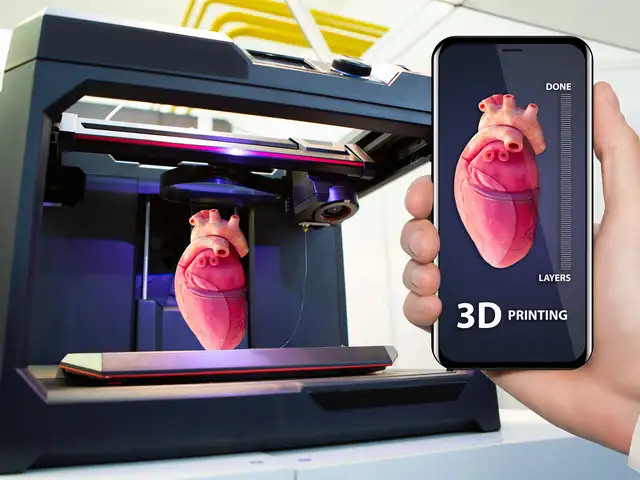
Scientists at the Tel Aviv University achieved a breakthrough by 3D printing a heart using the patient’s own cells. The scientists used personalised non-supplemented materials as bio-inks for 3D printing. The bio-inks do not provoke an immune response, thereby minimising complications. Scientists extracted fatty tissue from the patient and processed them to form personalised bio-inks to 3D print the heart, complete with cells, blood vessels, ventricles and chambers.
Scientists at the Tel Aviv University achieved a breakthrough by 3D printing a heart using the patient’s own cells. The scientists used personalised non-supplemented materials as bio-inks for 3D prin..
Read More
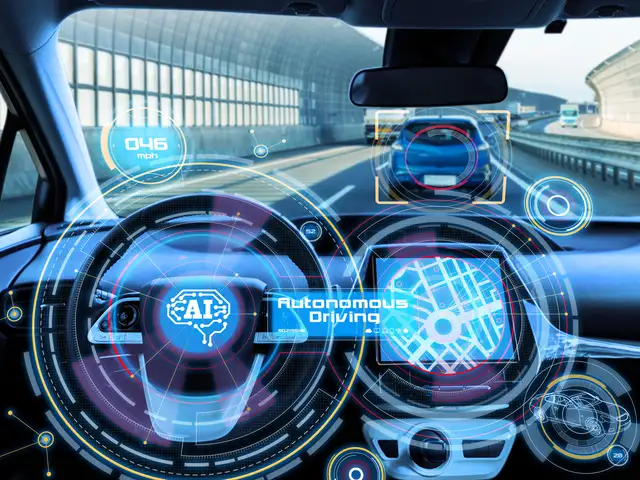
Scientists have developed a cost-effective method to allow self-driving cars to ‘see’ 3D objects in their path. Scientists from Cornell University in the US have dis-covered that a simpler method, using two inexpensive cameras on either side of the windshield can detect objects with nearly LiDAR’s (Light Detection and Ranging) accuracy and at a fraction of the cost.
Scientists have developed a cost-effective method to allow self-driving cars to ‘see’ 3D objects in their path. Scientists from Cornell University in the US have dis-covered that a simpler method, us..
Read More
Artificial Intelligence (AI) can speed up the development of clean and limitless fusion energy for generating electricity, claim researchers. A team of scientists at the US Department of Energy and Princeton University are applying deep learning to forecast sudden disruptions that can halt fusion reactions and damage the reactions. Accomplishing this feat are neural networks, layers of interconnected nodes — mathematical algorithms — that are weighed by the programme to shape the desired output.
Artificial Intelligence (AI) can speed up the development of clean and limitless fusion energy for generating electricity, claim researchers. A team of scientists at the US Department of Energy and P..
Read More
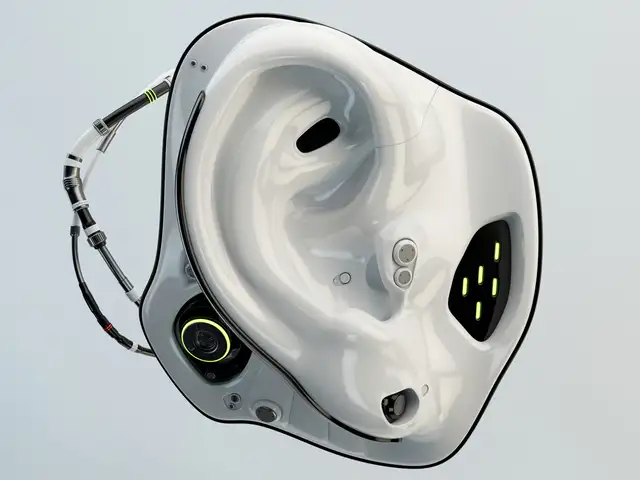
Technology that can help people suffering from dementia stay at home as long as possible could be available in the next five years. Scientists and doctors at the Imperial College London are developing an ear device that records brain activity and uses radar technology to track people’s movements at home. Sensors are also being created to remotely monitor heart rate, sleep cycles and blood pressure.
Technology that can help people suffering from dementia stay at home as long as possible could be available in the next five years. Scientists and doctors at the Imperial College London are developin..
Read More
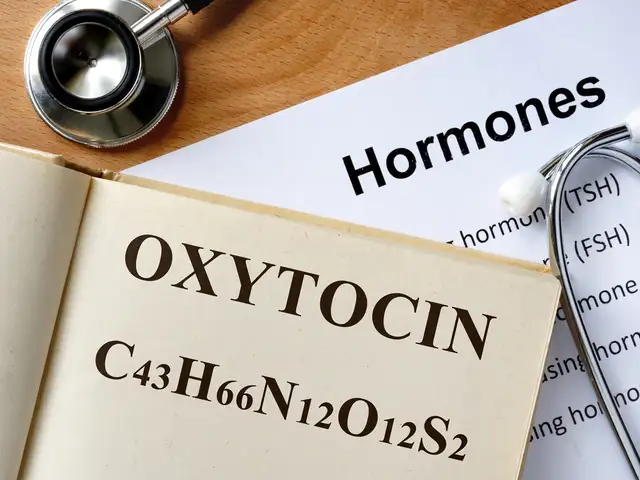
A nasal spray of ‘love hormone’ oxytocin may help treat alcohol use disorder, according to a study. The study found that oxytocin blocks enhanced drinking in alcohol-dependent test rats. Targeting the oxytocin system may provide novel pharmaceutical interventions for the treatment of alcohol-use disorder, said researchers from the National Institutes of Health and The Scripps Research Institute in the US.
A nasal spray of ‘love hormone’ oxytocin may help treat alcohol use disorder, according to a study. The study found that oxytocin blocks enhanced drinking in alcohol-dependent test rats. Targeting th..
Read More
Researchers have developed a protein-based sensor that can detect lanthanides, the rare earth metals used in smartphones and other gadgets, in an efficient and cost-effective way. The sensor changes its fluorescence when it binds to these metals, according to a study published in the Journal of the American Chemical Society. Extracting rare-earths from the environment or from industrial samples is generally challenging and expensive.
(All images are for representative purposes only)
Researchers have developed a protein-based sensor that can detect lanthanides, the rare earth metals used in smartphones and other gadgets, in an efficient and cost-effective way. The sensor changes ..