
Money Management: Can your family access your bank accounts if you can't manage your finances? Know the law

1/7
The day you can't manage your own money; are you ready for it?
Most people plan for what happens to their money after they die. Few plan for what happens if they're still alive but no longer able to manage it themselves — after a stroke, through dementia, or simply deep old age. That gap can leave bills unpaid, accounts frozen, and decisions stuck in limbo. Here's how to close it while you're still fully able to.
2/7
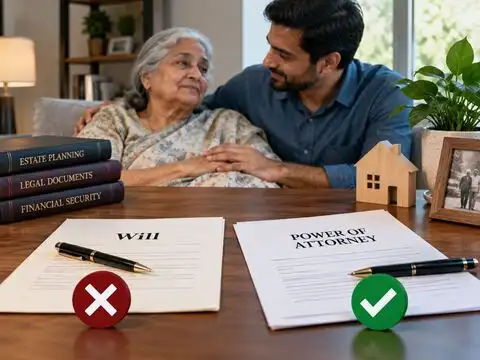
A Will doesn't cover this. Something else does
A standard will only takes effect after death — it does nothing if you're alive but incapacitated. The document you actually need is a durable Power of Attorney (POA), which gives a trusted person the legal right to pay your bills, run your accounts, and make financial decisions the moment you can't. One caregiver called having his mother's POA ready before her stroke "a godsend"; it let him step in instantly, with no legal delay, while she recovered.

3/7
Living alone? You still need someone named in advance
If a stroke or medical crisis hits and there's no relative nearby to rush in, who pays the bills or manages the accounts? Without a named power of attorney, even a willing family member can be locked out. Solo agers especially need to choose a trusted person in advance — or, if no one is right for the role, hire a licensed professional fiduciary or daily money manager instead.
Amazon Top Deals
POWERED BY


4/7
Make everyday money easier to manage, before you need to
Small setup steps now prevent big problems later. A joint bank account lets a trusted person handle everyday expenses if you can't get to a branch or sign a check. Automating essential payments, utilities, insurance, recurring bills, stops things from quietly lapsing if you're hospitalized or unwell. These aren't big legal moves, just practical ones that remove daily friction.

5/7
Check who's actually named on your accounts
Nominations are often set once and forgotten for decades. Review who's listed on every bank account, mutual fund, and insurance policy, an outdated or missing nomination can create real complications later, even with a power of attorney in place. It takes minutes to check and can save months of hassle for whoever steps in.

6/7
Complex assets need more than a POA
If your finances involve more than basic accounts, multiple properties, investments, or business interests, a private trust set up with an estate-planning lawyer can offer more structure and control than a power of attorney alone. This matters even more for solo agers, who may not have a spouse or child automatically positioned to step in and manage things.

7/7
One list could save someone you trust a lot of pain
Keep a clear, simple record of your bank accounts, passwords, debts, subscriptions, and investments, somewhere a trusted person can actually find it. As one caregiver put it, this planning isn't about giving up control now. It's about making sure the right person can step in smoothly later, without a crisis turning into chaos on top of everything else.