
Fake insurance calls to bogus policies: 5 insurance scams that could drain your bank account; are you at risk?
1/7
Buying life insurance online? Here are 5 scams draining policyholders' bank accounts
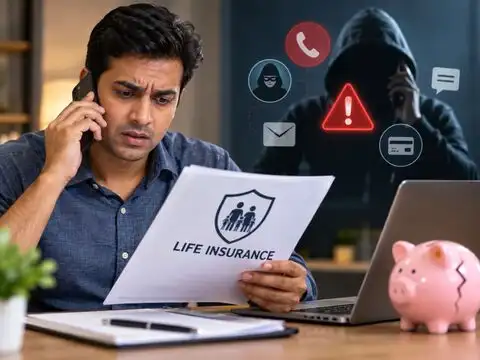
Managing your life insurance policy from your phone has never been easier — you can buy, pay premiums, and update details in a few taps. But that same convenience is exactly what fraudsters are exploiting. Scammers now use fake calls, messages, websites and payment links so convincing that even careful customers get fooled. The scariest part? They sometimes already have partial details about your policy, making their pitch feel completely genuine.

2/7
It's not just your money at stake;it's your entire financial identity
Most people think insurance fraud just means losing a few thousand rupees. The real danger runs deeper. The moment you share an OTP, password, banking detail or policy credential with a scammer, you open the door to much bigger financial fraud, think unauthorized bank withdrawals, loans taken in your name, or your identity being misused elsewhere. Protecting your policy details is really about protecting your entire financial life.

3/7
Scam #1: Fake insurance websites look exactly like the real thing; don't get fooled
Scammers are building copycat websites that look identical to genuine insurer pages, right down to the logo and layout. Enter your card details or personal information on one of these, and criminals can steal your funds or even set up unauthorized auto-debit mandates on your account. Before paying anywhere, always double-check the URL and look for the secure padlock icon. You can also verify if an insurer is genuinely registered through the IRDAI's official website.
Amazon Top Deals
POWERED BY

4/7
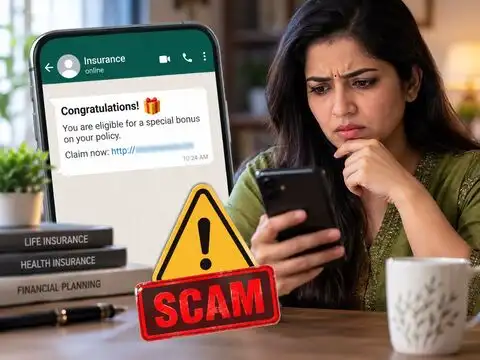
Scam #2: That "bonus" message from your insurer on WhatsApp? It's probably fake
Fraudsters are flooding SMS, email and WhatsApp with messages mimicking well-known insurance brands — offering fake bonuses, renewal reminders, or loans against your existing policy. The goal is simple: get you to click a malicious link or hand over your OTP. Remember this one golden rule: no legitimate insurance company will ever ask for your OTP or PIN over a text message or phone call. If someone does, it's a scam.

5/7
Scam #3: Beware of "agents" calling with unbelievably cheap policies
Ever gotten a call from someone claiming to be from a top insurer or even the IRDAI itself, offering an unrealistically cheap policy with massive guaranteed returns? That's a classic fraud tactic. These callers may also demand an advance "processing fee" to release a supposedly lapsed bonus. Protect yourself by only buying insurance through official portals or verified intermediaries listed directly on the insurer's website — never through a random inbound call.
6/7
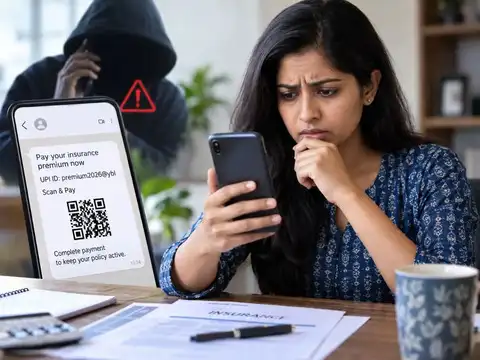
Scam #4: Paying your premium via a random UPI link? Stop right there
One increasingly common trick: scammers send you a personal UPI ID, a fake QR code, or a link to an unverified digital wallet, asking you to pay your premium there. The moment you pay, your money vanishes instantly — and worse, your actual policy stays inactive or even lapses because the payment never reached the insurer. Always make premium payments only through the official app or website's built-in payment gateway.
7/7
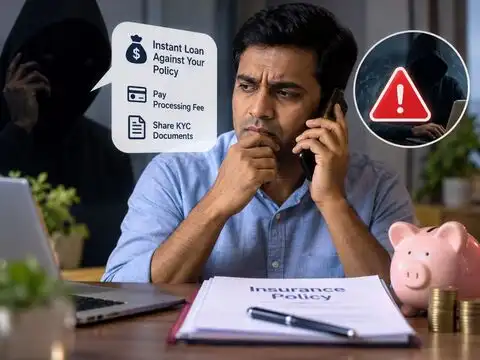
Scam #5 & your action plan: "Instant loan against your policy"? It could cost you your identity
Existing policyholders are often targeted with tempting offers of low-interest loans or instant cash benefits against their current plan. The catch is a demand for an upfront "processing fee" or sensitive KYC documents sent through a suspicious link, leading straight to identity theft and financial loss. Your best defense against all five of these scams is the same: never share OTPs or passwords, always verify through official insurer websites, and if an offer feels too good to be true, it almost certainly is.