
 Daily Top 5 Daily Top 5 |
Swiggy trims losses in Q1; IT's comeback rally
Want this newsletter delivered to your inbox?
I agree to receive newsletters and marketing communications via e-mail

Thank you for subscribing to Daily Top 5
We'll soon meet in your inbox.
Swiggy delivered improved Q1 earnings with a narrower loss and higher revenue. This and more in today's ETtech Top 5.
Also in the letter:
■ Groww's next growth bet
■ Microsoft tops estimates
■ Insurers plan AI cover
 Sriharsha Majety, CEO, Swiggy
Swiggy narrowed its loss while reporting strong revenue growth in the first quarter of FY27.
Financials:
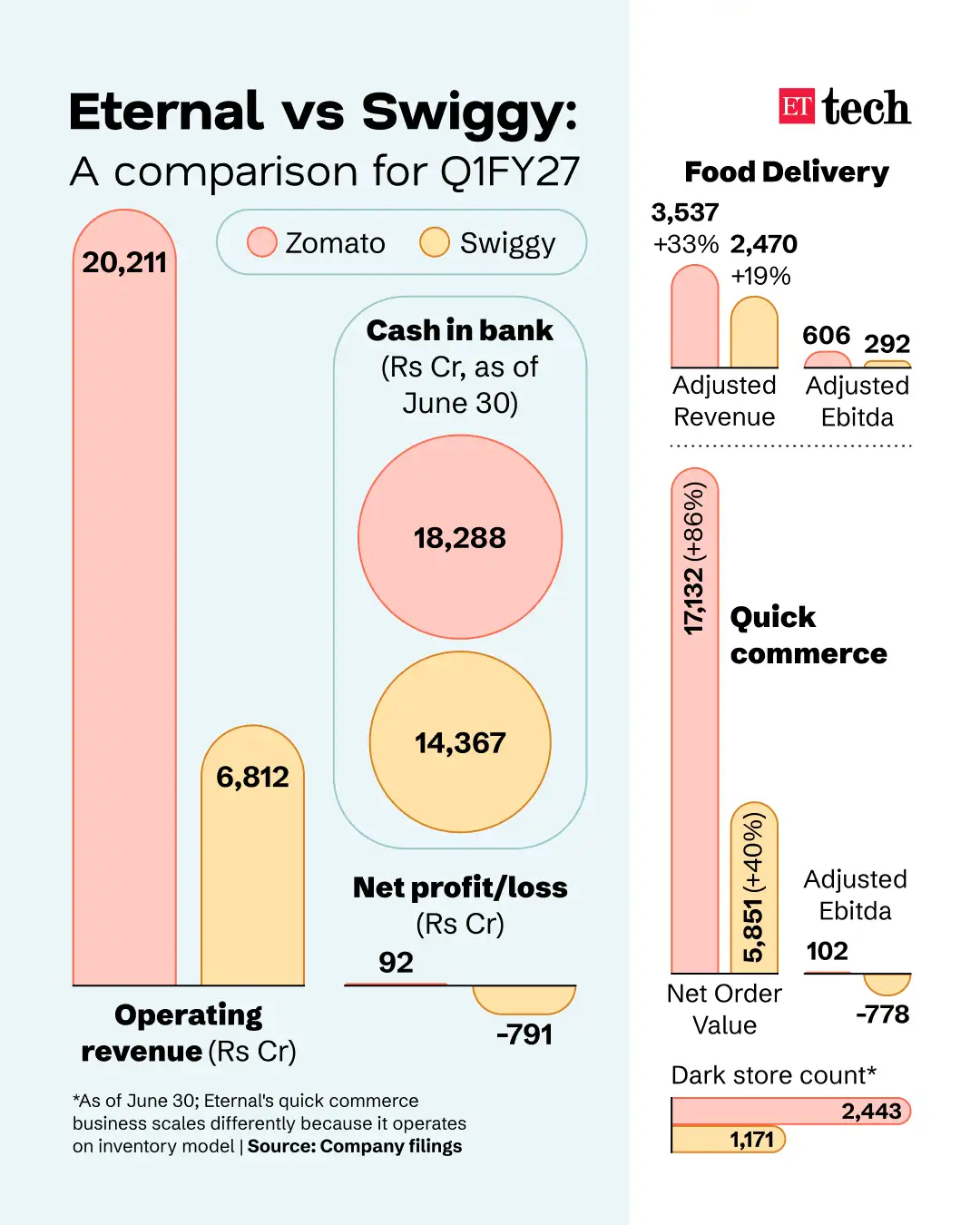
Swiggy earnings come just days after Eternal posted a threefold YoY jump in April-June operating revenues at Rs 20,211 crore. Net profit quadrupled to Rs 92 crore.
Swiggy shares closed up 3% at Rs 295.8 on the BSE on Thursday.
Tell me more: Swiggy's quick commerce business Instamart reduced its losses to Rs 651 crore from Rs 797 crore a year ago. The results come days after the company appointed former Myntra chief executive Nandita Sinha to lead the business.
Swiggy expects Instamart to achieve adjusted earnings before interest, taxes, depreciation and amortisation (Ebitda) breakeven once quarterly orders reach 250-300 million, up from 114.5 million in the April-June quarter.
Also Read: Company in a strong position, competition poses no threat to growth: Swiggy
CEOSpeak: “In quick commerce, we delivered contribution breakeven exactly as we guided a year ago — a milestone that marks a real inflection point for the business. As base-level assortment in quick commerce becomes increasingly commoditised, we believe our differentiated assortment strategy will be the engine for our next phase of growth,” group CEO Sriharsha Majety said.
Also Read: Bengaluru restaurant bodies warn of Swiggy, Zomato boycott in 15 days over commissions

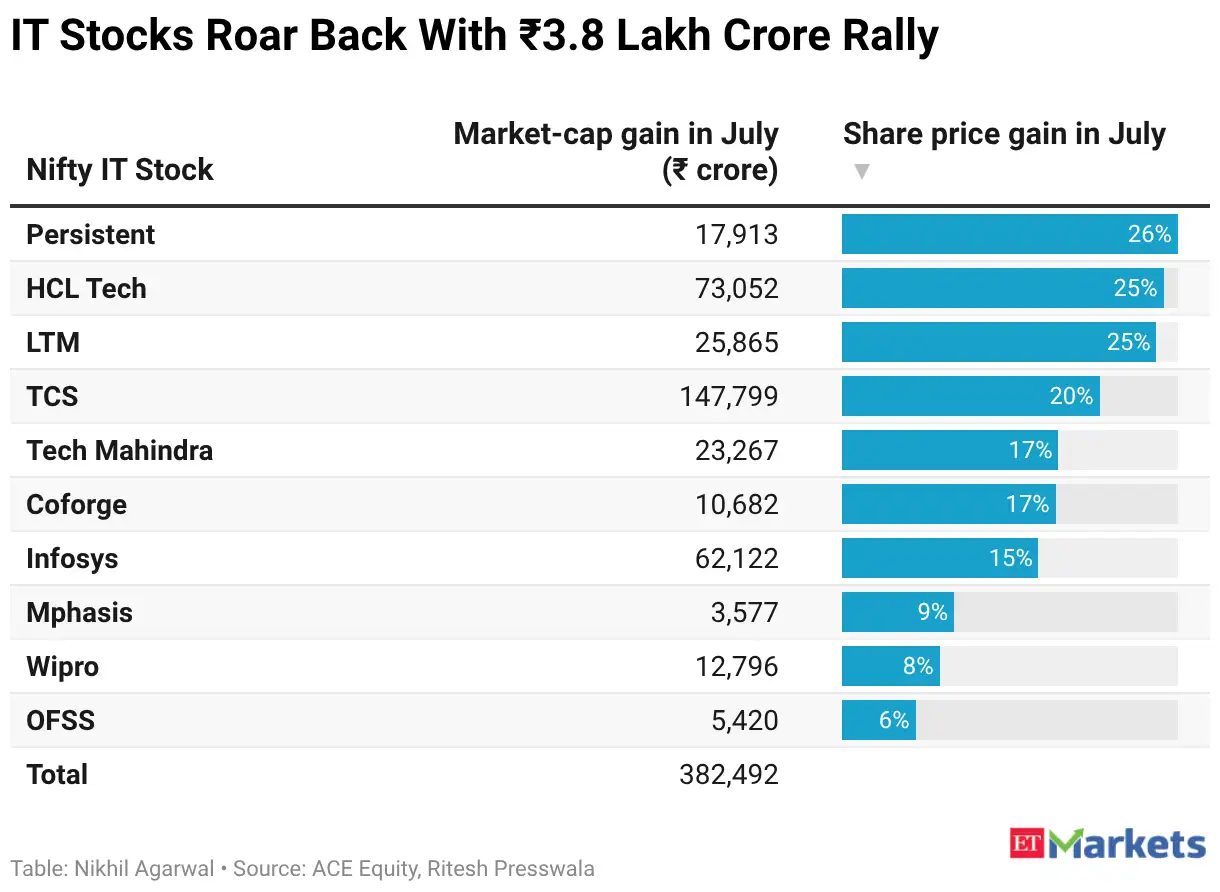
Indian IT stocks rebounded sharply in July, adding Rs 3.82 lakh crore in market value as investors returned to the sector after months of weak sentiment.
What's happening? The Nifty IT index surged 15.66% during the July expiry, making it the best-performing sector for the month after being among the weakest in the first half of the year. All 10 index constituents gained, with seven rising more than 15%.
Also Read: Private equity investors shift tech bets from IT services to AI startups
Expert take: Sonam Srivastava, founder of Wright Research, said the rally was mainly driven by short-covering and hopes that Indian IT companies would benefit from rising enterprise artificial intelligence (AI) spending, even as earnings remained relatively muted.
IT hiring: India's top six IT companies added more than 5,400 employees in the first quarter of fiscal 2027, although the increase was largely skewed by TCS.
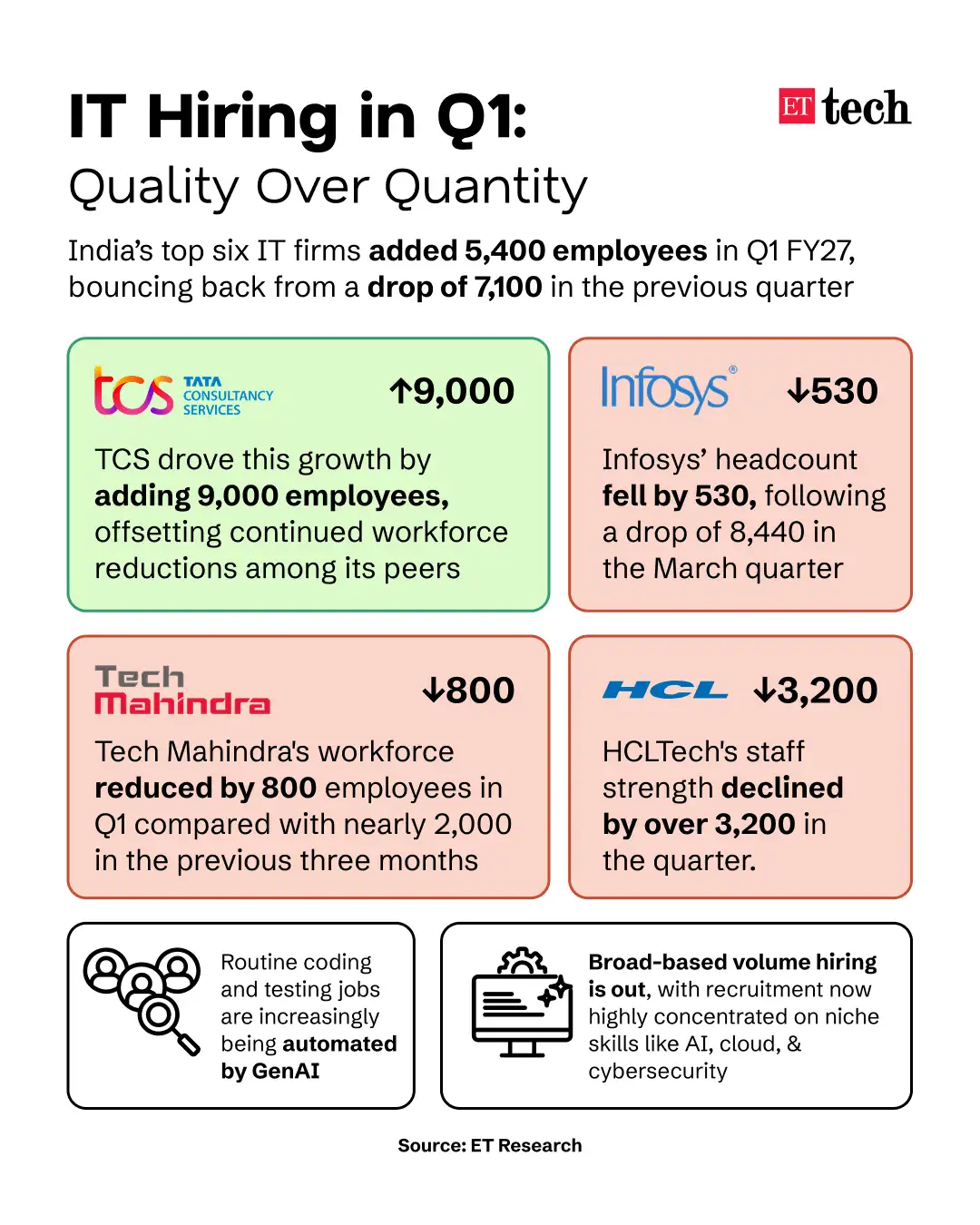
The company added a net 9,000 employees, its biggest quarterly hiring in three years. In comparison, the others collectively cut 7,100 jobs in the January-March quarter.
Also Read: IT price wars squeeze Infosys out of three multi-million dollar accounts
 Lalit Keshre, cofounder, Groww
Online investment platform Groww plans to make wealth management a key growth area over the next decade as it looks to expand beyond broking, CEO Lalit Keshre said in the company's annual report.
More on this:
Also Read: Groww Q1 profit nearly doubles to Rs 735 crore; MTF, commodities gain share
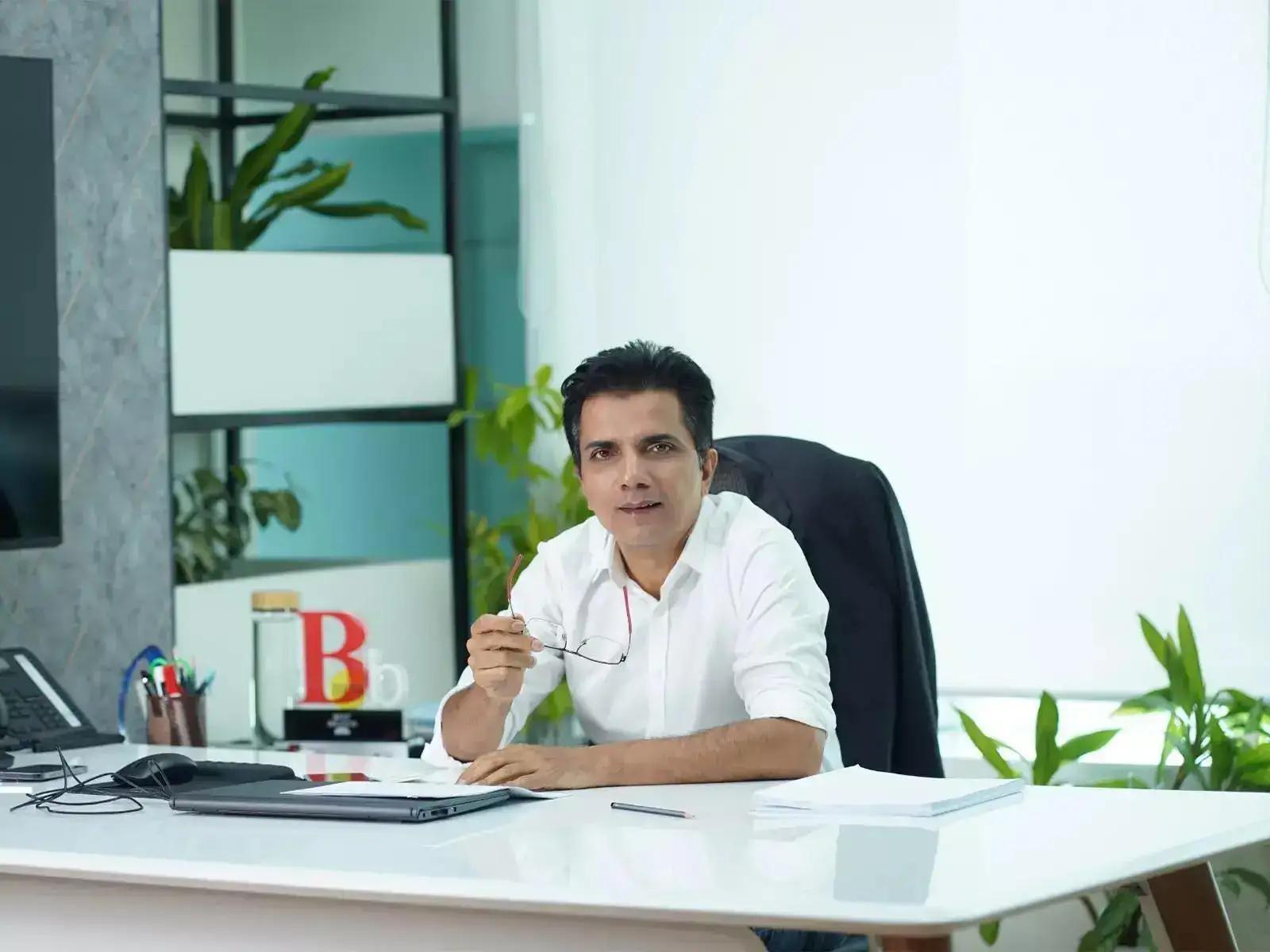 Ranvir Singh, CEO, Kissht
Digital lender Kissht expects its assets under management (AUM) to grow more than 40% in FY27 as improving repayments have allowed it to restart lending in select pin codes.
Q1 financials:
Also Read: Kissht receives 3-year Amfi registration to distribute mutual funds
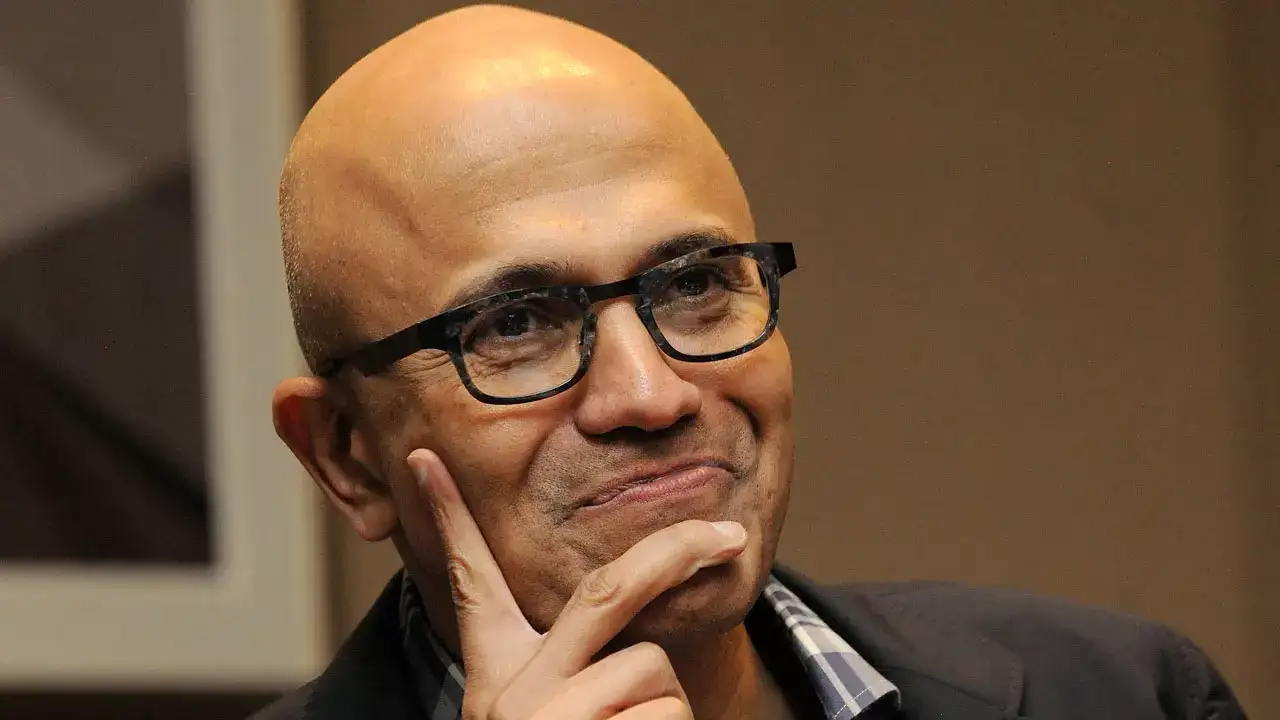 Satya Nadella, CEO, Microsoft
Microsoft beat quarterly expectations, driven by strong growth in its cloud business and rising adoption of its AI products.
By the numbers:
Quote, unquote: “This year, Azure revenue surpassed $100 billion for the first time, and Microsoft 365 Copilot reached over 30 million paid seats, reflecting the confidence customers are placing in us to power their AI transformation," chief executive Satya Nadella said.
Also Read: Microsoft to build AI system that makes models substitutable
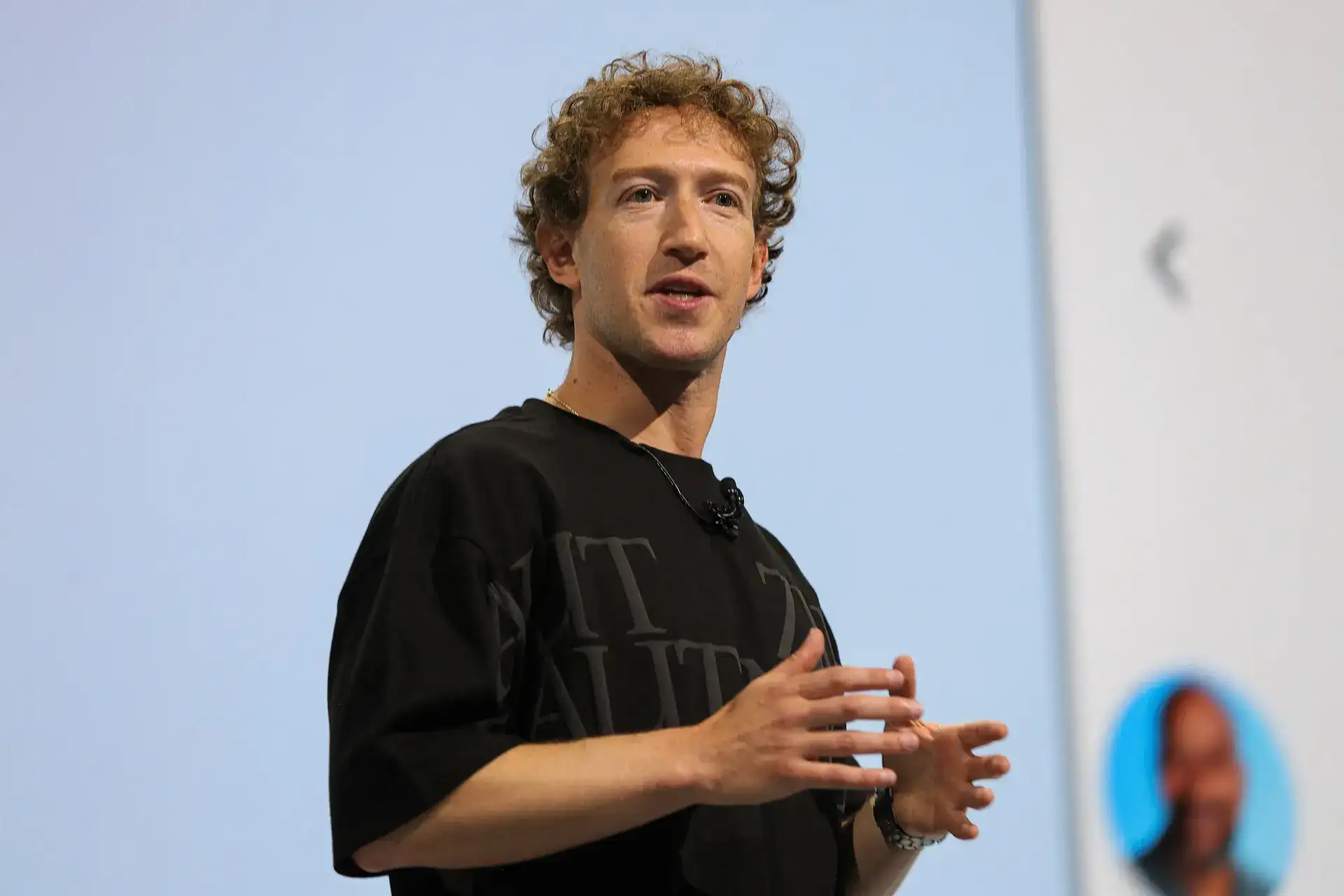 Mark Zuckerberg, CEO, Meta
Meta reported lower-than-expected quarterly profit as AI spending and one-time charges weighed on earnings.
The numbers:
Also Read: Meta executives to explain in 7-10 days why PM's post was blocked: S Krishnan

AI insurance is beginning to take shape as a new business segment, with insurers preparing for risks linked to wider AI adoption.
Driving the news: Tata AIG General Insurance, SBI General Insurance and Prudent Insurance Brokers told us that companies are adopting AI at a rapid pace, prompting insurers to start evaluating AI-related risks more closely.
For now, insurers are strengthening existing policies by adding AI-focused risk assessments and coverage. Dedicated AI insurance products are expected to come later as demand grows.
The offerings: Future AI insurance policies could protect businesses against losses caused by AI errors, hallucinations, algorithmic bias, intellectual property infringement, regulatory probes, model failures and decisions made by autonomous AI systems.
They could also cover legal defence costs, third-party claims and business losses caused by AI system failures or disruptions.
Also in the letter:
■ Groww's next growth bet
■ Microsoft tops estimates
■ Insurers plan AI cover
Swiggy losses narrow as Q1FY27 revenues grow 37%
Swiggy narrowed its loss while reporting strong revenue growth in the first quarter of FY27.
Financials:
- Net loss: Down 34% year-on-year (YoY) to Rs 791 crore from Rs 1,197 crore.
- Revenue from operations: Up 37% YoY to Rs 6,812 crore from Rs 4,961 crore.
- Total income: Up 39% to Rs 7,023 crore.
- Total expenses: Up 25% YoY to Rs 7,813 crore.
Swiggy earnings come just days after Eternal posted a threefold YoY jump in April-June operating revenues at Rs 20,211 crore. Net profit quadrupled to Rs 92 crore.
Swiggy shares closed up 3% at Rs 295.8 on the BSE on Thursday.
Tell me more: Swiggy's quick commerce business Instamart reduced its losses to Rs 651 crore from Rs 797 crore a year ago. The results come days after the company appointed former Myntra chief executive Nandita Sinha to lead the business.
Swiggy expects Instamart to achieve adjusted earnings before interest, taxes, depreciation and amortisation (Ebitda) breakeven once quarterly orders reach 250-300 million, up from 114.5 million in the April-June quarter.
Also Read: Company in a strong position, competition poses no threat to growth: Swiggy
CEOSpeak: “In quick commerce, we delivered contribution breakeven exactly as we guided a year ago — a milestone that marks a real inflection point for the business. As base-level assortment in quick commerce becomes increasingly commoditised, we believe our differentiated assortment strategy will be the engine for our next phase of growth,” group CEO Sriharsha Majety said.
Also Read: Bengaluru restaurant bodies warn of Swiggy, Zomato boycott in 15 days over commissions
What's driving the Rs 3.8 lakh crore boom in IT stocks?
Indian IT stocks rebounded sharply in July, adding Rs 3.82 lakh crore in market value as investors returned to the sector after months of weak sentiment.
What's happening? The Nifty IT index surged 15.66% during the July expiry, making it the best-performing sector for the month after being among the weakest in the first half of the year. All 10 index constituents gained, with seven rising more than 15%.
- Top gainers: Persistent Systems (26%), HCL Technologies (25%), and LTIMindtree (24.6%).
- Market value added: Tata Consultancy Services (Rs 1.48 lakh crore), HCL Technologies (Rs 73,052 crore), and Infosys (Rs 62,122 crore).
Also Read: Private equity investors shift tech bets from IT services to AI startups
Expert take: Sonam Srivastava, founder of Wright Research, said the rally was mainly driven by short-covering and hopes that Indian IT companies would benefit from rising enterprise artificial intelligence (AI) spending, even as earnings remained relatively muted.
IT hiring: India's top six IT companies added more than 5,400 employees in the first quarter of fiscal 2027, although the increase was largely skewed by TCS.
The company added a net 9,000 employees, its biggest quarterly hiring in three years. In comparison, the others collectively cut 7,100 jobs in the January-March quarter.
Also Read: IT price wars squeeze Infosys out of three multi-million dollar accounts
Will aim to make Groww India's largest wealth platform: CEO Lalit Keshre
Online investment platform Groww plans to make wealth management a key growth area over the next decade as it looks to expand beyond broking, CEO Lalit Keshre said in the company's annual report.
- Affluent users: Doubled to around 400,000 in FY26 from 200,000 a year earlier. (Groww defines affluent users as customers with at least Rs 25 lakh in assets on the platform.)
- Revenue from affluent users: Up to Rs 492 crore from Rs 230 crore.
- Average annual revenue per affluent user: Up 21% to Rs 16,604.
- Affluent customers accounted for 37% of Groww's total customer assets at the end of March, up from 20% three years earlier.
Also Read: Groww Q1 profit nearly doubles to Rs 735 crore; MTF, commodities gain share
Kissht expects to beat 40% growth target as credit costs ease
Digital lender Kissht expects its assets under management (AUM) to grow more than 40% in FY27 as improving repayments have allowed it to restart lending in select pin codes.
Q1 financials:
- Operating revenue: Up 45% YoY to Rs 670 crore.
- Net profit: Up 59% to Rs 95 crore.
Also Read: Kissht receives 3-year Amfi registration to distribute mutual funds
Microsoft beats Wall Street expectations with $90 billion in revenue
Microsoft beat quarterly expectations, driven by strong growth in its cloud business and rising adoption of its AI products.
By the numbers:
- Revenue: Up 18% to $90 billion, or $4.81 per share, in the April-June quarter.
- Net income: Up 31% at $35.8 billion on a generally accepted accounting principles (GAAP) basis.
- Microsoft Cloud revenue: Up 27% year-on-year to $59.3 billion.
- Full-year revenue: $331.8 billion for the fiscal year ended June.
Quote, unquote: “This year, Azure revenue surpassed $100 billion for the first time, and Microsoft 365 Copilot reached over 30 million paid seats, reflecting the confidence customers are placing in us to power their AI transformation," chief executive Satya Nadella said.
Also Read: Microsoft to build AI system that makes models substitutable
Meta misses profit expectations, sticks to massive AI spending
Meta reported lower-than-expected quarterly profit as AI spending and one-time charges weighed on earnings.
The numbers:
- Net income: Down 14% to $15.8 billion.
- Revenue: Up 28% to $60.8 billion, beating estimates.
Also Read: Meta executives to explain in 7-10 days why PM's post was blocked: S Krishnan
Insurers redraw playbook as AI risks spawn new cover
AI insurance is beginning to take shape as a new business segment, with insurers preparing for risks linked to wider AI adoption.
Driving the news: Tata AIG General Insurance, SBI General Insurance and Prudent Insurance Brokers told us that companies are adopting AI at a rapid pace, prompting insurers to start evaluating AI-related risks more closely.
For now, insurers are strengthening existing policies by adding AI-focused risk assessments and coverage. Dedicated AI insurance products are expected to come later as demand grows.
The offerings: Future AI insurance policies could protect businesses against losses caused by AI errors, hallucinations, algorithmic bias, intellectual property infringement, regulatory probes, model failures and decisions made by autonomous AI systems.
They could also cover legal defence costs, third-party claims and business losses caused by AI system failures or disruptions.
Want this newsletter delivered to your inbox?
I agree to receive newsletters and marketing communications via e-mail