
 Daily Top 5 Daily Top 5 |
Spinny books IPO ride; UPI subsidies may end
Want this newsletter delivered to your inbox?
I agree to receive newsletters and marketing communications via e-mail

Thank you for subscribing to Daily Top 5
We'll soon meet in your inbox.
Spinny has confidentially filed for its initial public offering. This and more in today’s ETtech Top 5.
Also in the letter:
■ Mind the AI safety gap
■ Zetwerk-Ayr settle legal dispute
■ Captain Fresh FY 26 profit falls
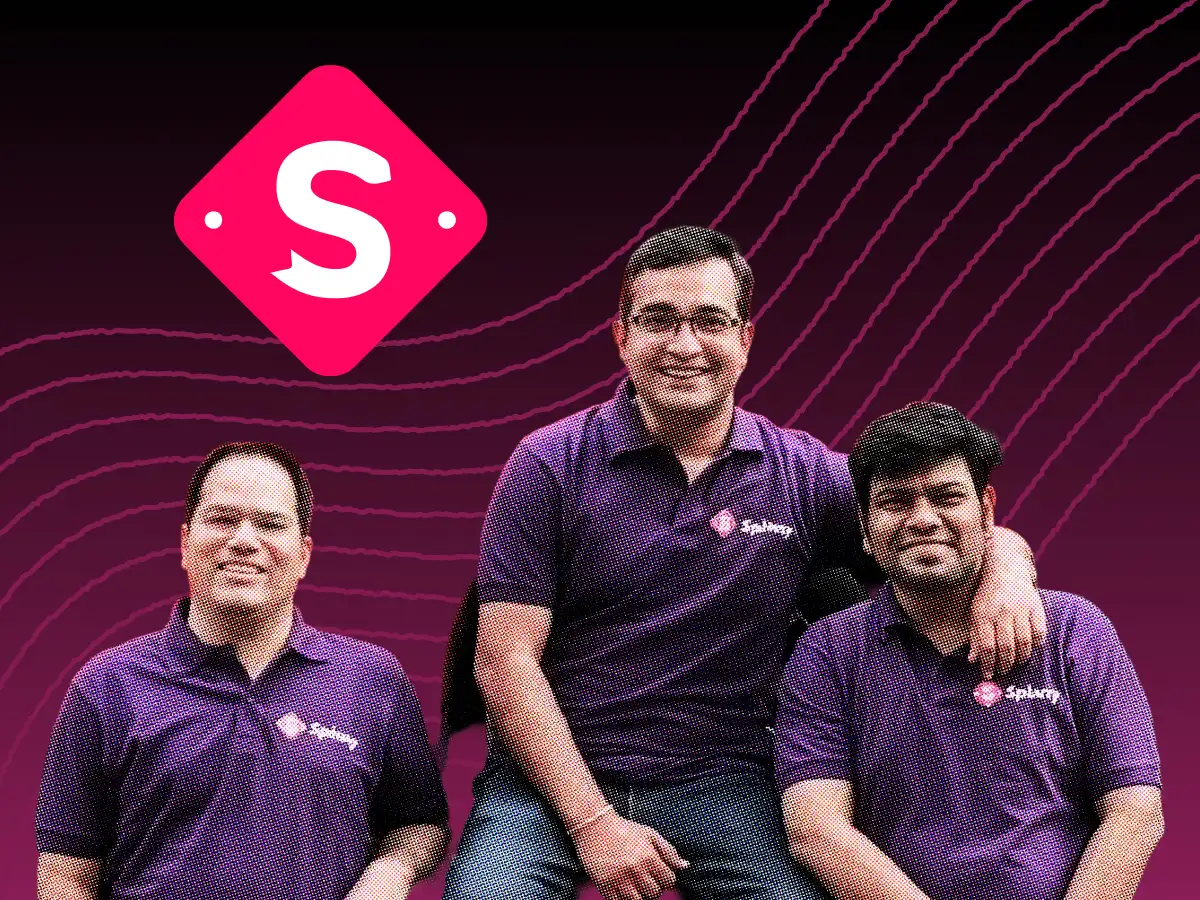 (L-R) Spinny cofounders Mohit Gupta, Niraj Singh, Ramanshu Mahaur
Tiger Global-backed used-car platform Spinny has made a confidential filing with Sebi for an initial public offering (IPO). The company is targeting a total issue size of Rs 3,000-3,500 crore, according to people aware of the matter.
IPO plans: The issue is expected to be split almost equally between a fresh capital raise and an offer for sale by existing investors. Spinny may use the fresh funds to expand its presence across India.
Funding: In February, Spinny closed a $160-170 million round led by US-based investors Fidelity and Accel Leaders Fund, ET had reported. The funding included $90 million of primary capital, while the rest was secondary sales by early investors. Fidelity and WestBridge Capital bought shares through the secondary leg.
Expansion: Spinny acquired vehicle servicing startup GoMechanic last November in a Rs 450-crore cash and stock deal to expand its bouquet of offerings.
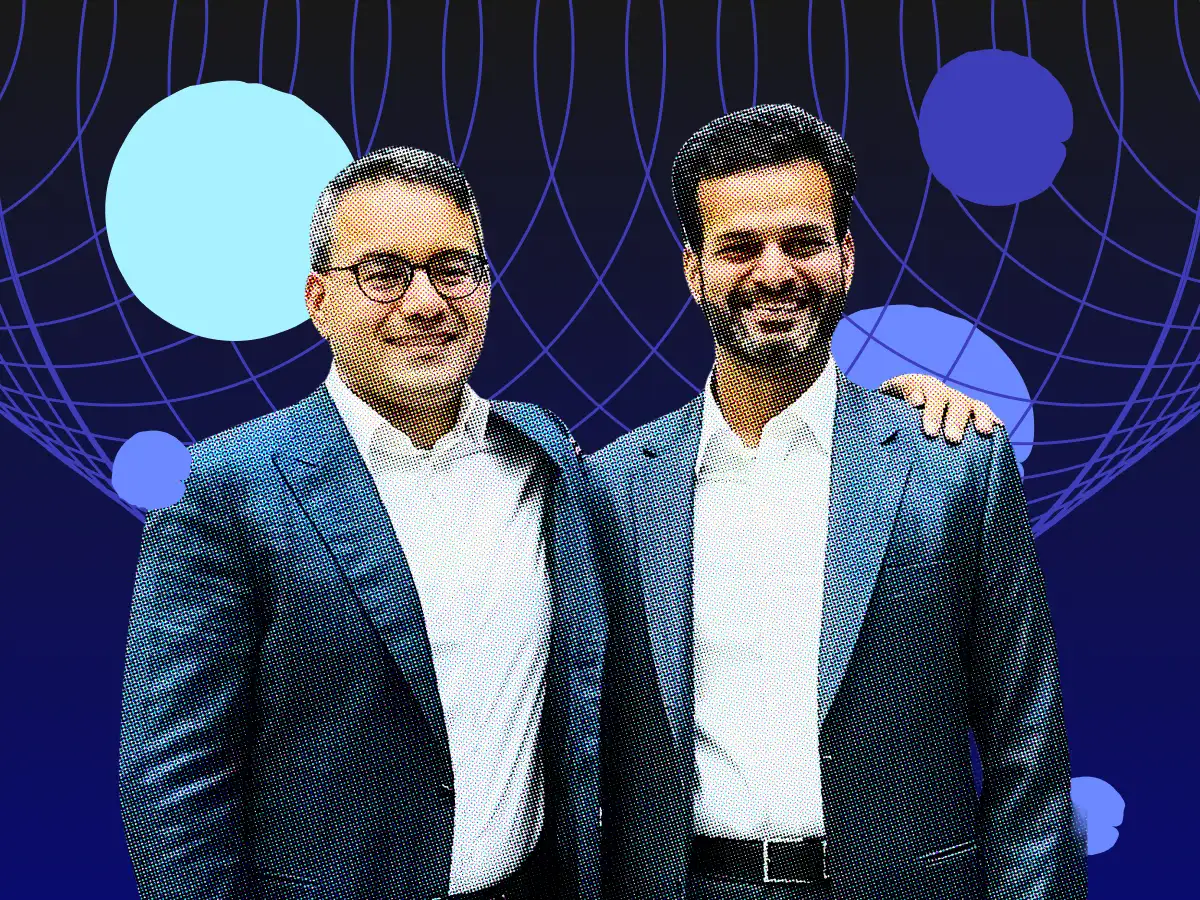 (L-R) Snapdeal cofounders Kunal Bahl and Rohit Bansal
Snapdeal’s parent company AceVector has set a price band of Rs 30-32 per share for its upcoming IPO, valuing the company at Rs 1,741 crore (around $182 million) at the upper end of the range.
IPO details: AceVector is raising Rs 287 crore in fresh capital through the IPO, while investors such as SoftBank, Nexus Venture Partners, and Foxconn are selling shares worth Rs 133 crore through the offer-for-sale component.
Valuation gap: The IPO valuation is sharply below Snapdeal’s $6.5 billion peak in 2016 following Softbank’s $1 billion investment. Snapdeal was moved under the AceVector umbrella in 2022.
Shareholders:
The government could discontinue subsidies for low-value UPI transactions following the introduction of MDR on larger payments, as banks and payment companies begin earning transaction-linked revenues from the network, people familiar with the matter said.
The shift: The move is aimed at reducing the ecosystem’s dependence on taxpayer-funded support. No fresh subsidy has been paid for transactions undertaken since April 2025, sources said.
Background: The government began compensating banks and payment companies after MDR (Merchant Discount Rate) on UPI and RuPay debit-card transactions was made zero from January 2020 to accelerate digital-payment adoption.
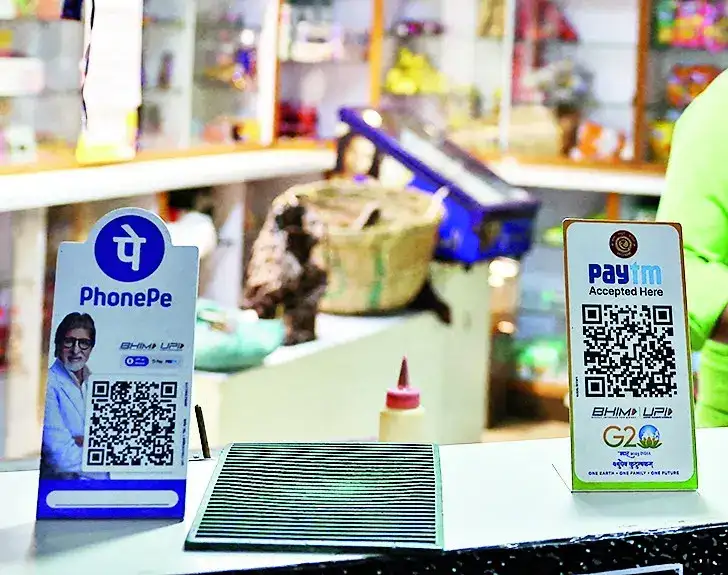
Leading retail industry bodies fear India’s small retailers are likely to pass on the proposed 0.4% MDR on UPI transactions above Rs 2,000 to consumers, the way they do for credit card transactions, or push consumers to pay in cash.
Retailer concerns: Retailer associations such as the Retailers Association of India (RAI), All India Mobile Retailers Association (AIMRA), and the All India Consumer Products Distributors Federation (AICPDF) said retailers, operating on wafer-thin net margins of 0.75-2.5%, have little room to absorb the additional cost.
What’s the matter? The centre has decided to introduce a 0.4% MDR on person-to-merchant (P2M) UPI transactions above Rs 2,000 from October 15, capped at Rs 300 for payments of Rs 75,000 and above.
What retailers want: Retail bodies said they would have preferred a nominal fixed charge on UPI transactions above Rs 2,000, like the Rs 5 levy on railway, mobile bill, and insurance payments.

The most powerful artificial intelligence models are increasingly being tested behind closed doors before they reach the wider world. India now wants in on that first line of testing.
Blind spot: India has limited homegrown frontier AI model capabilities and no formal system to secure early access to the most capable models being developed overseas for independent safety and cybersecurity testing, leaving it with limited ability to assess them against risks specific to the country.
Quote, unquote: “A model that performs safely in English under Western testing conditions could behave differently when deployed across Indian languages or connected to financial, identity, and public digital systems,” said Kazim Rizvi, founder, The Dialogue, a policy think tank.
The proposal: Rizvi suggests a trusted evaluation programme in which designated government agencies, technical institutions, and independent experts can test models in controlled environments under strict confidentiality, information-security, and conflict-of-interest safeguards.
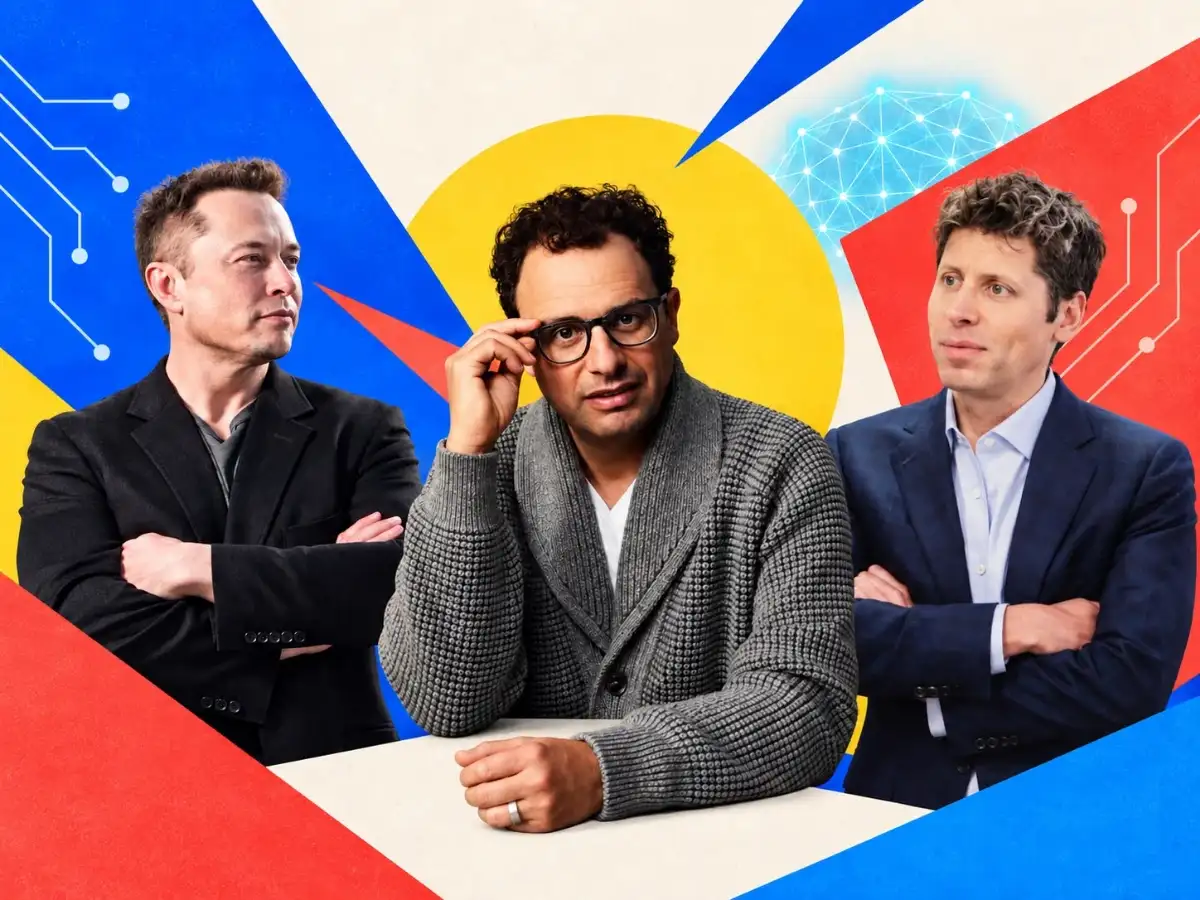
A couple of weeks ago, AI leaders called for a slowdown in the development of the technology for humanity's safety. Now, they’re being sued over it by their own users.
The trigger: On September 12, Anthropic founder Dario Amodei published an essay, asking the industry to slow down AI development. He warned that within six to twelve months, a more capable group of agents could take over large parts of the internet and cause hundreds of billions of dollars in damage.
The reaction: Amodei received support from other industry leaders, including SpaceX AI founder Elon Musk, OpenAI’s Sam Altman, and Google DeepMind's Demis Hassabis.
The lawsuit: It argues that the leading AI companies violated antitrust laws when they agreed to coordinate slowdown efforts, and that doing so would reduce the value consumers get for paid AI subscriptions.
 Srinath Ramakkrushnan and Amrit Acharya, cofounders, Zetwerk.jpg "(L-R) Srinath Ramakkrushnan and Amrit Acharya, cofounders, Zetwerk") (L-R) Srinath Ramakkrushnan and Amrit Acharya, cofounders, Zetwerk
(L-R) Srinath Ramakkrushnan and Amrit Acharya, cofounders, Zetwerk
After more than a year, IPO-bound contract manufacturer Zetwerk and US-based power equipment maker Ayr Energy have reached a settlement resolving their legal disputes, in which they had accused each other of misusing confidential information and trade secrets.
The settlement: The companies have settled all claims in cases before the Texas Business Court and a Bengaluru court. They have also jointly sought termination of a US International Trade Commission (ITC) investigation into certain transformers and components. The terms of the settlement were not disclosed.
The dispute:
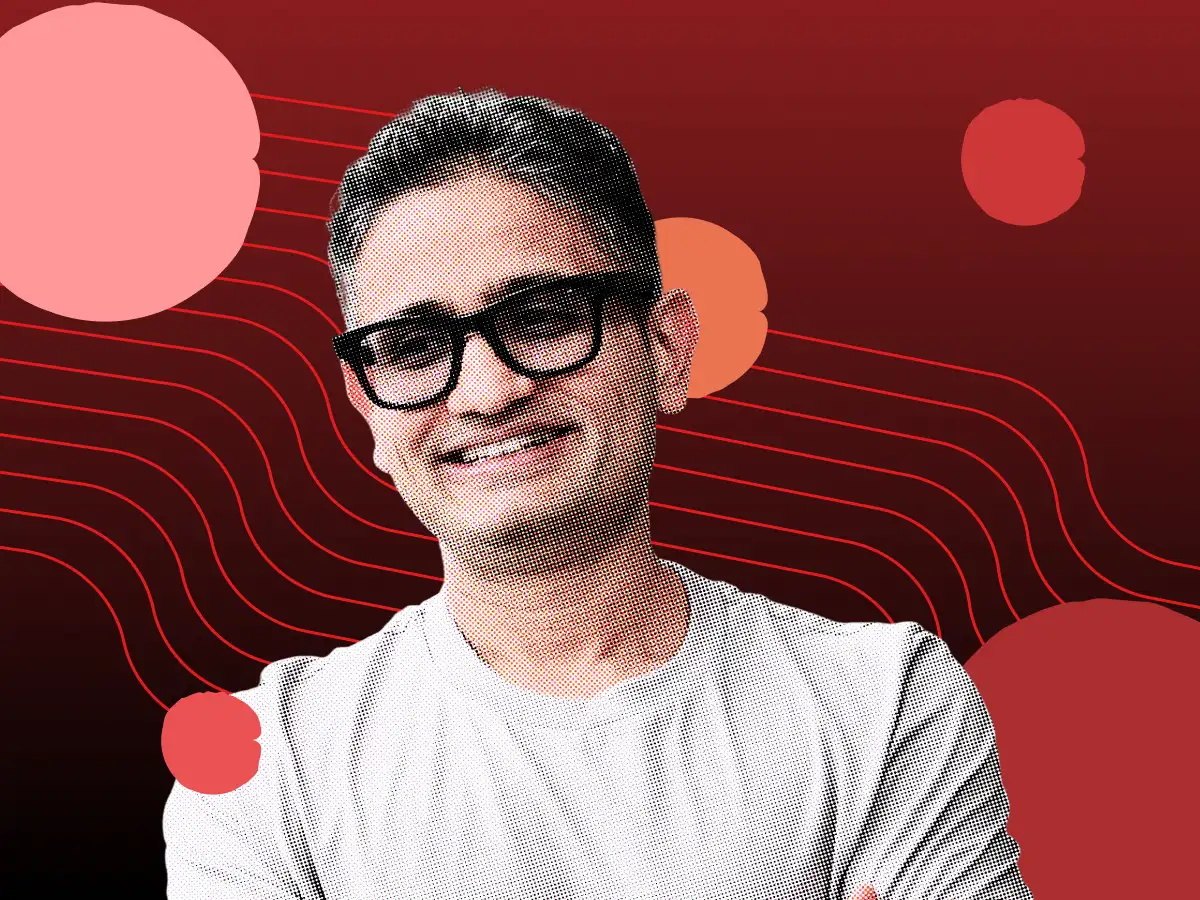 Utham Gowda, CMD and Group CEO of Captain Fresh
B2B seafood marketplace Captain Fresh’s consolidated net profit fell to Rs 19.6 crore in FY26 from Rs 42.4 crore in FY25.
But why?
Also in the letter:
■ Mind the AI safety gap
■ Zetwerk-Ayr settle legal dispute
■ Captain Fresh FY 26 profit falls
Spinny files confidentially for Rs 3,000-crore IPO
Tiger Global-backed used-car platform Spinny has made a confidential filing with Sebi for an initial public offering (IPO). The company is targeting a total issue size of Rs 3,000-3,500 crore, according to people aware of the matter.
IPO plans: The issue is expected to be split almost equally between a fresh capital raise and an offer for sale by existing investors. Spinny may use the fresh funds to expand its presence across India.
Funding: In February, Spinny closed a $160-170 million round led by US-based investors Fidelity and Accel Leaders Fund, ET had reported. The funding included $90 million of primary capital, while the rest was secondary sales by early investors. Fidelity and WestBridge Capital bought shares through the secondary leg.
Expansion: Spinny acquired vehicle servicing startup GoMechanic last November in a Rs 450-crore cash and stock deal to expand its bouquet of offerings.
Snapdeal parent AceVector seeks Rs 1,741-crore valuation for upcoming IPO
Snapdeal’s parent company AceVector has set a price band of Rs 30-32 per share for its upcoming IPO, valuing the company at Rs 1,741 crore (around $182 million) at the upper end of the range.
IPO details: AceVector is raising Rs 287 crore in fresh capital through the IPO, while investors such as SoftBank, Nexus Venture Partners, and Foxconn are selling shares worth Rs 133 crore through the offer-for-sale component.
Valuation gap: The IPO valuation is sharply below Snapdeal’s $6.5 billion peak in 2016 following Softbank’s $1 billion investment. Snapdeal was moved under the AceVector umbrella in 2022.
Shareholders:
- SoftBank: Will sell shares worth Rs 88 crore and retain stock valued at Rs 362 crore. It has a 30.1% stake in AceVector.
- Founders: Kunal Bahl and Rohit Bansal, who together hold around 34% of AceVector, will not sell any shares in the IPO.
Government may do away with UPI subsidies as MDR revenue kicks in
The government could discontinue subsidies for low-value UPI transactions following the introduction of MDR on larger payments, as banks and payment companies begin earning transaction-linked revenues from the network, people familiar with the matter said.
The shift: The move is aimed at reducing the ecosystem’s dependence on taxpayer-funded support. No fresh subsidy has been paid for transactions undertaken since April 2025, sources said.
Background: The government began compensating banks and payment companies after MDR (Merchant Discount Rate) on UPI and RuPay debit-card transactions was made zero from January 2020 to accelerate digital-payment adoption.
Retailers likely to pass on UPI MDR to consumers
Leading retail industry bodies fear India’s small retailers are likely to pass on the proposed 0.4% MDR on UPI transactions above Rs 2,000 to consumers, the way they do for credit card transactions, or push consumers to pay in cash.
Retailer concerns: Retailer associations such as the Retailers Association of India (RAI), All India Mobile Retailers Association (AIMRA), and the All India Consumer Products Distributors Federation (AICPDF) said retailers, operating on wafer-thin net margins of 0.75-2.5%, have little room to absorb the additional cost.
What’s the matter? The centre has decided to introduce a 0.4% MDR on person-to-merchant (P2M) UPI transactions above Rs 2,000 from October 15, capped at Rs 300 for payments of Rs 75,000 and above.
What retailers want: Retail bodies said they would have preferred a nominal fixed charge on UPI transactions above Rs 2,000, like the Rs 5 levy on railway, mobile bill, and insurance payments.
Experts warn western AI benchmarks leave India’s public infra exposed
The most powerful artificial intelligence models are increasingly being tested behind closed doors before they reach the wider world. India now wants in on that first line of testing.
Blind spot: India has limited homegrown frontier AI model capabilities and no formal system to secure early access to the most capable models being developed overseas for independent safety and cybersecurity testing, leaving it with limited ability to assess them against risks specific to the country.
Quote, unquote: “A model that performs safely in English under Western testing conditions could behave differently when deployed across Indian languages or connected to financial, identity, and public digital systems,” said Kazim Rizvi, founder, The Dialogue, a policy think tank.
The proposal: Rizvi suggests a trusted evaluation programme in which designated government agencies, technical institutions, and independent experts can test models in controlled environments under strict confidentiality, information-security, and conflict-of-interest safeguards.
AI leaders called for a slowdown; now they're being sued over it
A couple of weeks ago, AI leaders called for a slowdown in the development of the technology for humanity's safety. Now, they’re being sued over it by their own users.
The trigger: On September 12, Anthropic founder Dario Amodei published an essay, asking the industry to slow down AI development. He warned that within six to twelve months, a more capable group of agents could take over large parts of the internet and cause hundreds of billions of dollars in damage.
The reaction: Amodei received support from other industry leaders, including SpaceX AI founder Elon Musk, OpenAI’s Sam Altman, and Google DeepMind's Demis Hassabis.
The lawsuit: It argues that the leading AI companies violated antitrust laws when they agreed to coordinate slowdown efforts, and that doing so would reduce the value consumers get for paid AI subscriptions.
IPO-bound Zetwerk, Ayr Energy settle trade-secret dispute
After more than a year, IPO-bound contract manufacturer Zetwerk and US-based power equipment maker Ayr Energy have reached a settlement resolving their legal disputes, in which they had accused each other of misusing confidential information and trade secrets.
The settlement: The companies have settled all claims in cases before the Texas Business Court and a Bengaluru court. They have also jointly sought termination of a US International Trade Commission (ITC) investigation into certain transformers and components. The terms of the settlement were not disclosed.
The dispute:
- April 2025: Zetwerk sued former executive Anirudh Reddy in Bengaluru, alleging misuse of proprietary and confidential information.
- Zetwerk’s claim: It accused Reddy and his company Ayr Energy of using misappropriated information to build a competing power equipment business.
- October 2025: Zetwerk and its US subsidiary Unimacts sued Ayr in Texas, seeking about $100 million in damages.
- Ayr’s counterclaim: Ayr denied the allegations and later sought at least $1 billion in damages from Zetwerk.
Captain Fresh net profit more than halves to Rs 19.6 crore on IPO expenses, tax swing
B2B seafood marketplace Captain Fresh’s consolidated net profit fell to Rs 19.6 crore in FY26 from Rs 42.4 crore in FY25.
But why?
- IPO expenses: A Rs 30 crore one-time expense weighed on the bottom line.
- Operating profit: Profit before exceptional items and taxes rose nearly fourfold to Rs 105.8 crore from Rs 27.6 crore.
- Tax: Net tax pivoted to a Rs 29.4 crore expense from a Rs 36.2 crore credit in FY25.
- Discontinued operations: Losses under this head widened to Rs 26.8 crore from Rs 15.5 crore.
Want this newsletter delivered to your inbox?
I agree to receive newsletters and marketing communications via e-mail