
 Morning Dispatch Morning Dispatch |
Govt moves to allow MDR; Qcomm braces for festive rush
Want this newsletter delivered to your inbox?
I agree to receive newsletters and marketing communications via e-mail

Thank you for subscribing to Morning Dispatch
We'll soon meet in your inbox.
Happy Tuesday! The government is proposing changes that could bring back merchant fees on select UPI transactions. This and more in today’s ETtech Morning Dispatch.
Also in the letter:
■ Ather’s Q1 report
■ WhatsApp prepares for DPDP law
■ ETtech Done Deals
The government's proposed amendments to the Payment and Settlement Systems Act could pave the way for the return of merchant discount rate (MDR) on select UPI transactions, allowing banks and fintechs to recover rising investments in technology, cybersecurity and payments infrastructure, industry executives and analysts said.
Amendment details: The finance ministry has proposed to amend section 10A of the Payment and Settlement Systems Act, 2007, which states that banks and payment companies should not charge MDR on UPI payments.
ET was the first to report on July 16 that the government is considering reintroducing MDR for large merchants, with the fee likely to be pegged at 5-7 basis points, as per sources.
Why it matters:
Also Read: UPI fees explained: Why the government plans to revive MDR and who will pay

India's quick commerce platforms are gearing up for a busy festive season opener, with this year's Rakshabandhan on August 28 projected to bring in 14-15 million orders in a single day — nearly double last year's 8-9 million.
Festive rush: Eternal’s Blinkit alone is preparing to handle 7-7.5 million orders that day, a senior executive told us.
Moreover, the rush is also exposing warehousing and inventory gaps that have troubled larger ecommerce players like Amazon and Flipkart. Brands and sellers told us that Blinkit, Instamart and Zepto have limited warehouse capacity and inbound inventory slots ahead of the festive season.
Preparations underway: Industry executives said Rakshabandhan is becoming the stress-test for the festive calendar, with lessons from the occasion shaping inventory allocation and logistics planning for larger demand spikes during the season.
The three largest quick commerce platforms are also prepping their supply chains, inventory planning and advertising sales, executives said.
Sellers feel the squeeze: Vendors say they've been told to lock in inventory decisions well ahead of schedule, with many struggling to find extra warehouse space in certain cities.
Also Read: Premium takes priority in ecommerce carts this festive season
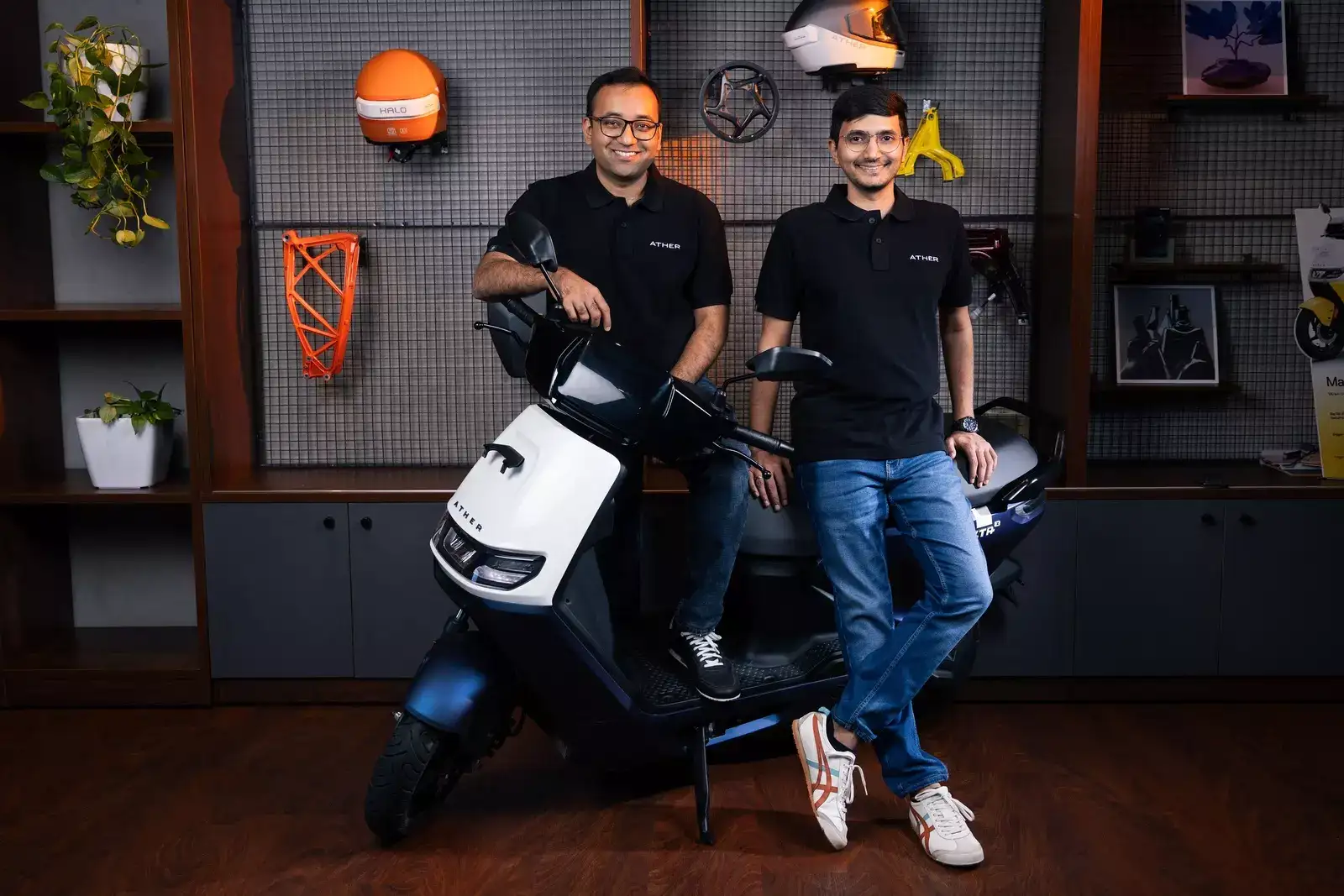
Electric two-wheeler (e2W) maker Ather Energy on Monday reported a strong showing, with revenues nearly doubling and losses narrowing.
Financials:
CEO Tarun Mehta said EV adoption is being driven by policy support such as from Delhi’s EV policy, PM E-DRIVE and rising fuel prices.
Quote, unquote: “Demand is significantly ahead of what we can currently produce. We believe that, based on current demand, we could have retailed another 13,000-15,000 scooters every month if capacity was available,” Mehta said during the earnings call.
Also Read: Ather Energy raises Rs 1,200 crore from India-Japan Fund, Hero Motocorp, founders, launches Rs 1,500-crore QIP
Payments company Mobikwik reported its third straight quarterly profit as lower costs and improving margins in its lending business boosted its bottom line.
By the numbers:
WhatsApp is testing privacy-protective methods for users in India to confirm their age as it prepares to comply with the country's data-protection framework, a company spokesperson said Monday. The DPDP Act comes into full force on May 13, 2027.
What’s happening: “To comply with upcoming laws in India like the Digital Personal Data Protection (DPDP) Act, we are testing privacy-protective ways for people to confirm their age,” the spokesperson said. “This doesn’t change how WhatsApp works or your experience. We understand that information about someone’s age is private and it won’t be shared with other WhatsApp users.”
Breaking it down: The test is optional, and users need not confirm their age to continue using WhatsApp.
The DPDP Rules require companies to take appropriate technical and organisational measures to verify that the person providing consent is an identifiable adult.
Also Read: Several WhatsApp users say their accounts 'put under review'
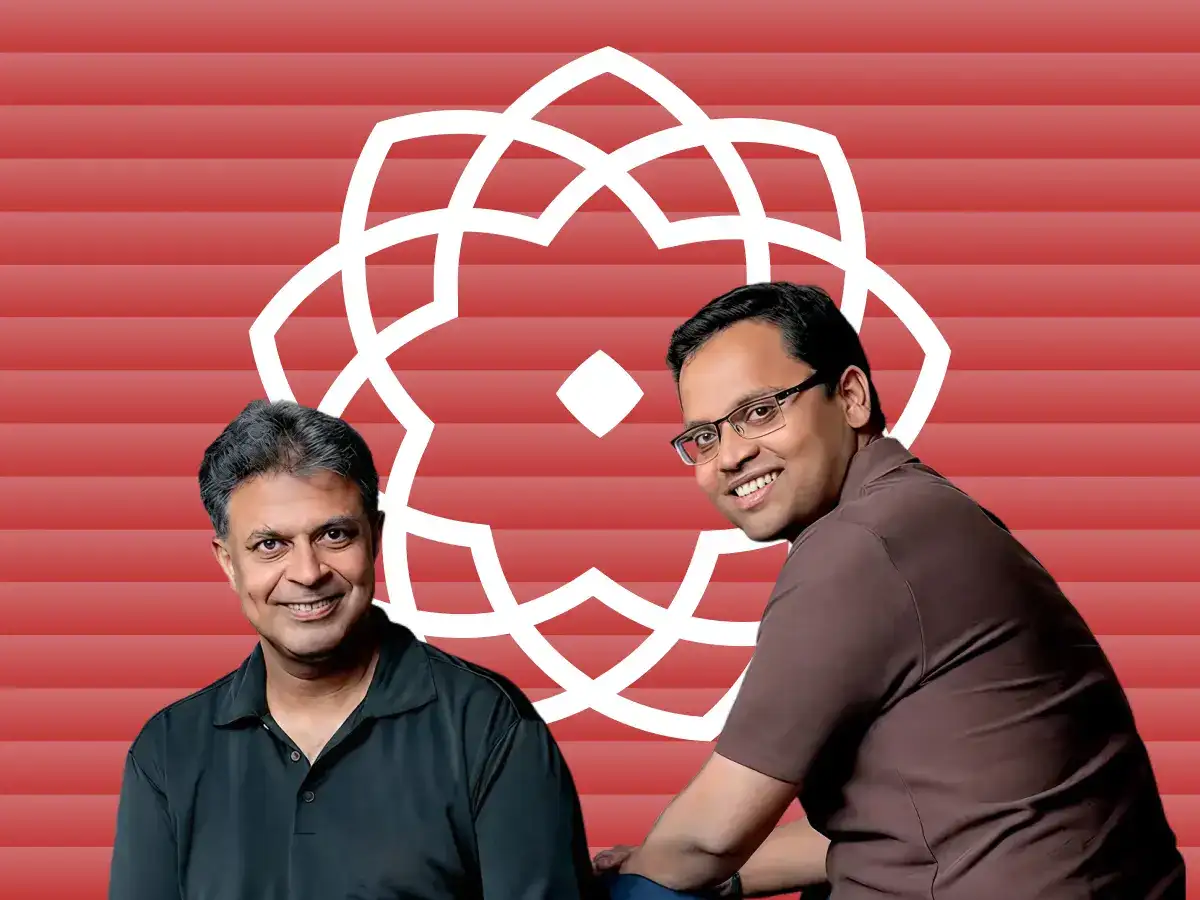 Vivek Raghavan and Pratyush Kumar, founders, Sarvam AI
Sarvam to raise $75 million from Nvidia, others: Homegrown artificial intelligence (AI) startup Sarvam will raise $75 million from chipmaker Nvidia, US venture capital firm Glade Brook, private equity investor Gaja Capital, IndiGo Ventures (the venture arm of India's largest airline, IndiGo), and several individual investors, according to filings with the Registrar of Companies.
Matel raises funds: Pune-based mechatronics startup Matel Motion and Energy Solutions has raised Rs 130 crore in a round led by UC Impower, with Narayana Murthy's family office Catamaran joining as a new investor. Existing backer Transition VC also participated in the funding.
■ AI conquered coding. Fast food is next (Wired)
■ How Mexico became a surprise cornerstone of America’s AI boom (FT)
■ Can we train AI to choose safety over speed? (Rest of World)
Also in the letter:
■ Ather’s Q1 report
■ WhatsApp prepares for DPDP law
■ ETtech Done Deals
Payment bill rekindles MDR hopes for large-value UPI
The government's proposed amendments to the Payment and Settlement Systems Act could pave the way for the return of merchant discount rate (MDR) on select UPI transactions, allowing banks and fintechs to recover rising investments in technology, cybersecurity and payments infrastructure, industry executives and analysts said.
Amendment details: The finance ministry has proposed to amend section 10A of the Payment and Settlement Systems Act, 2007, which states that banks and payment companies should not charge MDR on UPI payments.
ET was the first to report on July 16 that the government is considering reintroducing MDR for large merchants, with the fee likely to be pegged at 5-7 basis points, as per sources.
Why it matters:
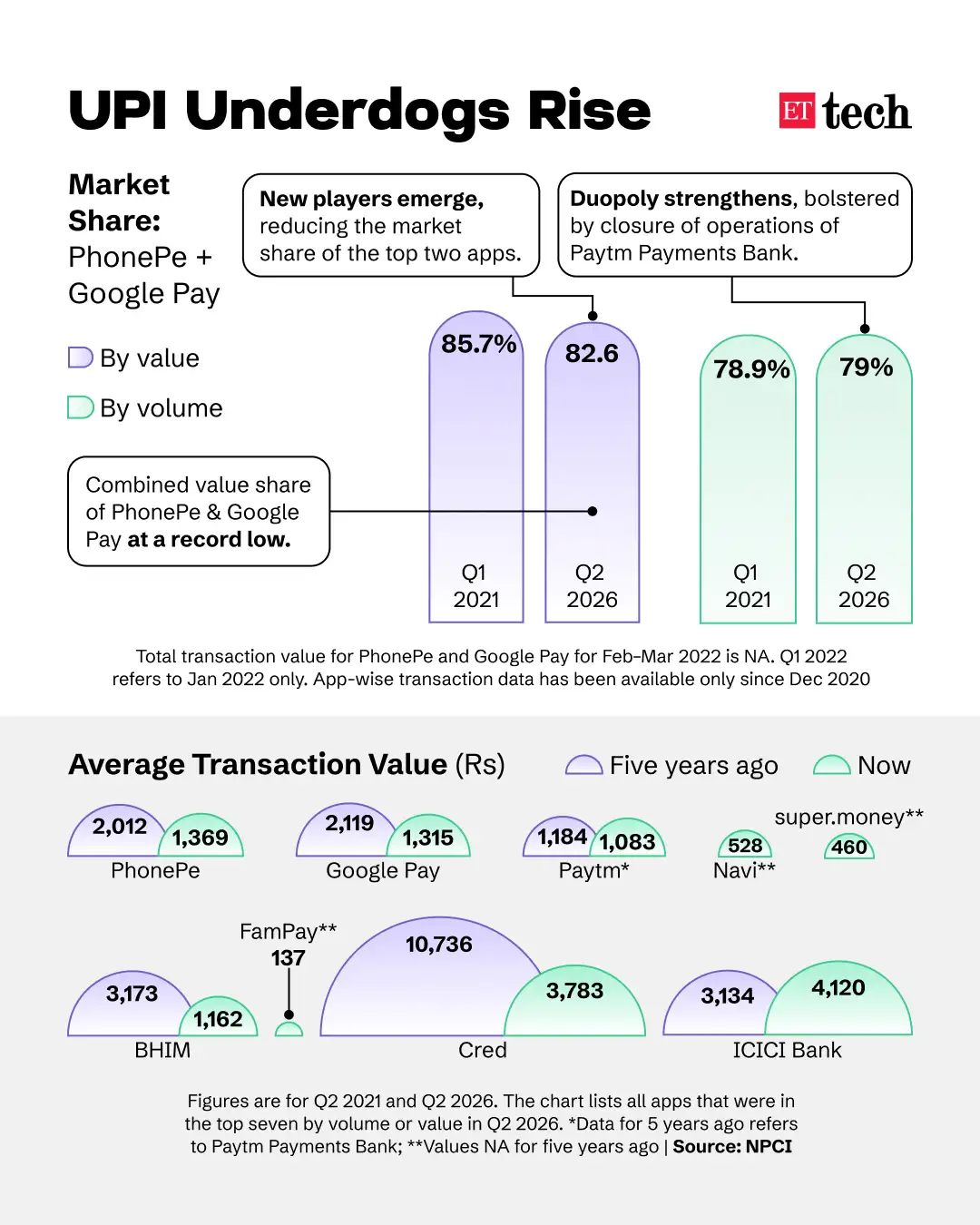
- UPI firms have struggled to build a profitable payments business despite processing record transaction volumes, as MDR on UPI has remained zero since January 2020.
- Brokerage Bernstein estimates MDR is likely to be limited to large merchants and transactions above Rs 2,000, with a fee of 30-40 bps, creating a meaningful revenue pool for payment companies while minimizing disruption to overall payment volumes.
Also Read: UPI fees explained: Why the government plans to revive MDR and who will pay
Quick commerce braces for Rakshabandhan rush as capacity strains emerge
India's quick commerce platforms are gearing up for a busy festive season opener, with this year's Rakshabandhan on August 28 projected to bring in 14-15 million orders in a single day — nearly double last year's 8-9 million.
Festive rush: Eternal’s Blinkit alone is preparing to handle 7-7.5 million orders that day, a senior executive told us.
Moreover, the rush is also exposing warehousing and inventory gaps that have troubled larger ecommerce players like Amazon and Flipkart. Brands and sellers told us that Blinkit, Instamart and Zepto have limited warehouse capacity and inbound inventory slots ahead of the festive season.
Preparations underway: Industry executives said Rakshabandhan is becoming the stress-test for the festive calendar, with lessons from the occasion shaping inventory allocation and logistics planning for larger demand spikes during the season.
The three largest quick commerce platforms are also prepping their supply chains, inventory planning and advertising sales, executives said.
Sellers feel the squeeze: Vendors say they've been told to lock in inventory decisions well ahead of schedule, with many struggling to find extra warehouse space in certain cities.
Also Read: Premium takes priority in ecommerce carts this festive season
Ather Energy nearly doubles revenues, cuts losses by 71%
Electric two-wheeler (e2W) maker Ather Energy on Monday reported a strong showing, with revenues nearly doubling and losses narrowing.
Financials:
- Revenue: Up 89% year-on-year (YoY) to Rs 1,217 crore.
- Net loss: Narrowed to Rs 51.1 crore from Rs 178.2 crore in the year-ago period.
- Total expenses: Grew to Rs 1,310.7 crore, compared with Rs 851.1 crore a year earlier.
CEO Tarun Mehta said EV adoption is being driven by policy support such as from Delhi’s EV policy, PM E-DRIVE and rising fuel prices.
Quote, unquote: “Demand is significantly ahead of what we can currently produce. We believe that, based on current demand, we could have retailed another 13,000-15,000 scooters every month if capacity was available,” Mehta said during the earnings call.
Also Read: Ather Energy raises Rs 1,200 crore from India-Japan Fund, Hero Motocorp, founders, launches Rs 1,500-crore QIP
Mobikwik swings to Rs 7.6 crore net profit in Q1
Payments company Mobikwik reported its third straight quarterly profit as lower costs and improving margins in its lending business boosted its bottom line.
By the numbers:
- Revenue: Up 3.7% YoY to Rs 281.5 crore from Rs 271.4 crore in Q1 FY26.
- Net profit: Rs 7.6 crore, compared with a loss of Rs 41.9 crore in the year-ago period.
WhatsApp piloting age-check trial in India in line with law
WhatsApp is testing privacy-protective methods for users in India to confirm their age as it prepares to comply with the country's data-protection framework, a company spokesperson said Monday. The DPDP Act comes into full force on May 13, 2027.
What’s happening: “To comply with upcoming laws in India like the Digital Personal Data Protection (DPDP) Act, we are testing privacy-protective ways for people to confirm their age,” the spokesperson said. “This doesn’t change how WhatsApp works or your experience. We understand that information about someone’s age is private and it won’t be shared with other WhatsApp users.”
Breaking it down: The test is optional, and users need not confirm their age to continue using WhatsApp.
The DPDP Rules require companies to take appropriate technical and organisational measures to verify that the person providing consent is an identifiable adult.
Also Read: Several WhatsApp users say their accounts 'put under review'
Other Top Stories By Our Reporters
Sarvam to raise $75 million from Nvidia, others: Homegrown artificial intelligence (AI) startup Sarvam will raise $75 million from chipmaker Nvidia, US venture capital firm Glade Brook, private equity investor Gaja Capital, IndiGo Ventures (the venture arm of India's largest airline, IndiGo), and several individual investors, according to filings with the Registrar of Companies.
Matel raises funds: Pune-based mechatronics startup Matel Motion and Energy Solutions has raised Rs 130 crore in a round led by UC Impower, with Narayana Murthy's family office Catamaran joining as a new investor. Existing backer Transition VC also participated in the funding.
Global Picks We Are Reading
■ AI conquered coding. Fast food is next (Wired)
■ How Mexico became a surprise cornerstone of America’s AI boom (FT)
■ Can we train AI to choose safety over speed? (Rest of World)
Want this newsletter delivered to your inbox?
I agree to receive newsletters and marketing communications via e-mail