
Seven Indian winter festivals that offer travellers unforgettable cultural experiences beyond conventional sightseeing
1/8
Discover India's seasonal festivals, local traditions and extraordinary cultural gatherings
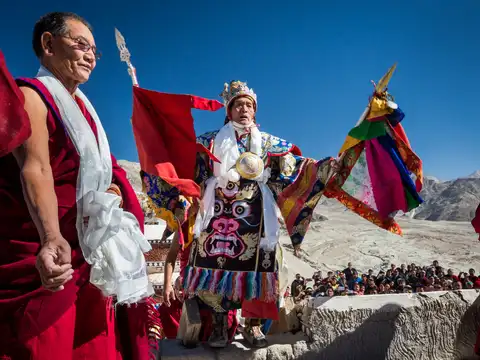
Winter in India brings more than pleasant sightseeing weather. Across the country, communities celebrate the season through folk performances, traditional sporting events, religious ceremonies, art exhibitions and festivals rooted in local identity. Some take place in vast salt deserts, others in mountain villages, historic cities or coastal neighbourhoods. For travellers, these gatherings offer an opportunity to experience a region beyond its monuments and familiar tourist attractions.
The November-to-February calendar is particularly interesting because several distinctive celebrations coincide with the peak domestic travel season. Visitors can watch Naga tribes showcase their cultural heritage, experience Rajasthan's desert traditions, explore contemporary art in Meghalaya and witness communities welcoming the new year through age-old customs.
This selection looks at seven winter events worth planning a journey around. It also highlights when they take place, what visitors can experience and why each celebration offers a different perspective on India's cultural landscape. Festival dates can change, so travellers should check the latest official schedules before booking
2/8
Nagaland's Hornbill Festival brings the traditions of its Naga tribes together
Dates: 1–10 December, 2026
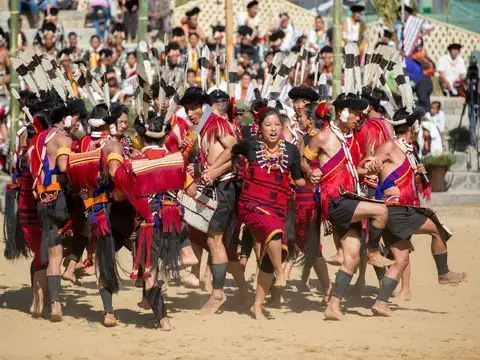
Held at Kisama Heritage Village near Kohima, the Hornbill Festival is one of India's most distinctive celebrations of indigenous culture. Organised by the Nagaland government, the ten-day event brings together communities representing the state's different Naga tribes. Visitors can watch traditional dances, warrior performances, folk music and indigenous sporting competitions, while exploring tribal morungs – traditional community spaces that display distinctive architecture and cultural artefacts. Food stalls offer Naga specialities, including smoked pork and traditional preparations involving bamboo shoots. The festival also provides an opportunity to discover local handicrafts and contemporary music. Travellers should plan their stay around Kohima and arrange transport to Kisama in advance, as visitor numbers rise considerably during the festival.
Held at Kisama Heritage Village near Kohima, the Hornbill Festival is one of India's most distinctive celebrations of indigenous culture. Organised by the Nagaland government, the ten-day event brings together communities representing the state's different Naga tribes. Visitors can watch traditional dances, warrior performances, folk music and indigenous sporting competitions, while exploring tribal morungs – traditional community spaces that display distinctive architecture and cultural artefacts. Food stalls offer Naga specialities, including smoked pork and traditional preparations involving bamboo shoots. The festival also provides an opportunity to discover local handicrafts and contemporary music. Travellers should plan their stay around Kohima and arrange transport to Kisama in advance, as visitor numbers rise considerably during the festival.
3/8
Ladakh's Losar celebrations welcome the New Year with monastery rituals
Date: 9 December, 2026
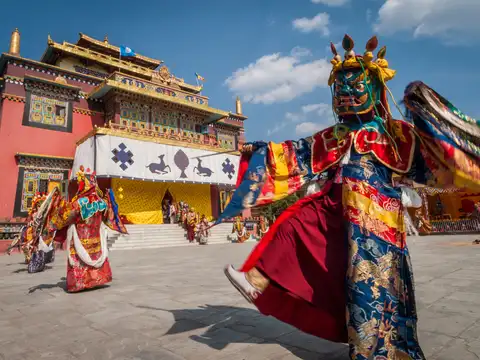
Ladakh's traditional New Year celebration, Losar, marks the beginning of a new year according to the region's traditional calendar. The occasion is observed with prayers, family gatherings, traditional food, music and cultural performances. Homes are cleaned and decorated, while families make offerings at monasteries and household shrines. Traditional dances and festive gatherings form part of the celebrations. Unlike a conventional New Year's Eve party, Losar is deeply connected to Ladakhi Buddhist customs and community life. The 2026 celebration is listed for 9 December by the Incredible India tourism portal. Visitors should remember that Ladakh's winter brings freezing temperatures, possible snowfall and challenging road conditions. Planning accommodation, transport and local sightseeing is essential.
Ladakh's traditional New Year celebration, Losar, marks the beginning of a new year according to the region's traditional calendar. The occasion is observed with prayers, family gatherings, traditional food, music and cultural performances. Homes are cleaned and decorated, while families make offerings at monasteries and household shrines. Traditional dances and festive gatherings form part of the celebrations. Unlike a conventional New Year's Eve party, Losar is deeply connected to Ladakhi Buddhist customs and community life. The 2026 celebration is listed for 9 December by the Incredible India tourism portal. Visitors should remember that Ladakh's winter brings freezing temperatures, possible snowfall and challenging road conditions. Planning accommodation, transport and local sightseeing is essential.
4/8
Rann Utsav turns Gujarat's White Desert into a cultural celebration
Date: 1 November 2026 – 7 March 2027
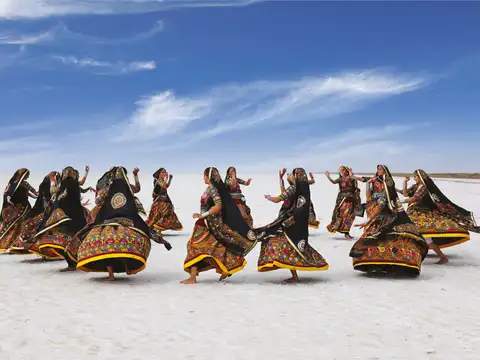
The Great Rann of Kutch becomes a seasonal cultural destination during Rann Utsav, held against the vast white salt desert in Gujarat. The festival brings together Kutchi folk music, traditional dance, handicrafts, regional food and adventure activities. Visitors can explore artisan traditions, watch local performances and experience the landscape on camel rides. One of its most distinctive attractions is the full-moon experience, when moonlight illuminates the white salt flats. The 2026–27 season includes full-moon windows in November, December, January and February. Visitors can also explore nearby villages such as Dhordo and Hodka to discover local embroidery, leatherwork and traditional crafts.
The Great Rann of Kutch becomes a seasonal cultural destination during Rann Utsav, held against the vast white salt desert in Gujarat. The festival brings together Kutchi folk music, traditional dance, handicrafts, regional food and adventure activities. Visitors can explore artisan traditions, watch local performances and experience the landscape on camel rides. One of its most distinctive attractions is the full-moon experience, when moonlight illuminates the white salt flats. The 2026–27 season includes full-moon windows in November, December, January and February. Visitors can also explore nearby villages such as Dhordo and Hodka to discover local embroidery, leatherwork and traditional crafts.
5/8
Goa's Three Kings Feast offers a glimpse of its Portuguese-influenced traditions
Date: 6 January, 2027
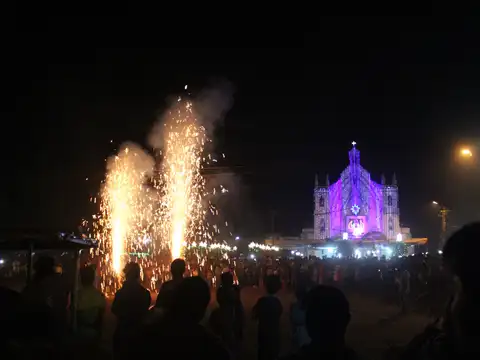
Goa's winter celebrations extend beyond Christmas markets and New Year's Eve parties. One of its distinctive religious and cultural traditions is the Feast of the Three Kings, or Festa dos Reis Magos, celebrated on 6 January. The festivities take place in villages including Cansaulim, Chandor and Reis Magos. At Reis Magos, three local youths traditionally portray the Biblical Magi and take part in a procession through the village, commemorating the journey of the Three Wise Men to Bethlehem. Church services and community gatherings are central to the celebration. The tradition reflects Goa's longstanding Catholic heritage and Portuguese cultural influences. Visitors can explore the historic Reis Magos Church, built in 1555, and experience a village celebration that offers a different perspective on Goa beyond its beaches and nightlife.
Goa's winter celebrations extend beyond Christmas markets and New Year's Eve parties. One of its distinctive religious and cultural traditions is the Feast of the Three Kings, or Festa dos Reis Magos, celebrated on 6 January. The festivities take place in villages including Cansaulim, Chandor and Reis Magos. At Reis Magos, three local youths traditionally portray the Biblical Magi and take part in a procession through the village, commemorating the journey of the Three Wise Men to Bethlehem. Church services and community gatherings are central to the celebration. The tradition reflects Goa's longstanding Catholic heritage and Portuguese cultural influences. Visitors can explore the historic Reis Magos Church, built in 1555, and experience a village celebration that offers a different perspective on Goa beyond its beaches and nightlife.
6/8
Jaisalmer's Desert Festival takes Rajasthani traditions onto the dunes
Date: 18–20 February, 2027
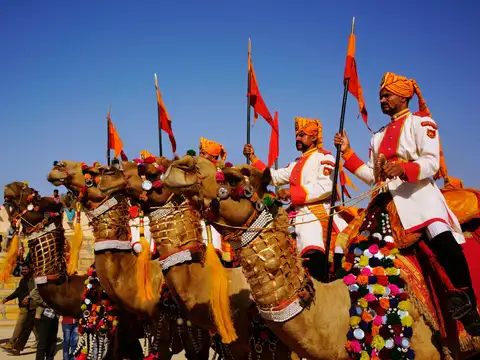
Jaisalmer's annual Desert Festival, also known as Maru Mahotsav, celebrates Rajasthan's desert heritage through folk performances, traditional competitions and camel-related events. The three-day celebration typically features turban-tying contests, moustache competitions, puppetry, folk music and traditional dance. Camel races and decorated camel processions add to the spectacle, showcasing the animal's longstanding importance in desert life. Some performances take place against the backdrop of the Sam Sand Dunes, outside Jaisalmer, where the landscape becomes part of the celebration. The Rajasthan Tourism calendar lists the 2027 festival for 18–20 February. Visitors can combine the event with a visit to Jaisalmer Fort and the city's historic havelis, but should check the final programme for individual venue and performance timings.
Jaisalmer's annual Desert Festival, also known as Maru Mahotsav, celebrates Rajasthan's desert heritage through folk performances, traditional competitions and camel-related events. The three-day celebration typically features turban-tying contests, moustache competitions, puppetry, folk music and traditional dance. Camel races and decorated camel processions add to the spectacle, showcasing the animal's longstanding importance in desert life. Some performances take place against the backdrop of the Sam Sand Dunes, outside Jaisalmer, where the landscape becomes part of the celebration. The Rajasthan Tourism calendar lists the 2027 festival for 18–20 February. Visitors can combine the event with a visit to Jaisalmer Fort and the city's historic havelis, but should check the final programme for individual venue and performance timings.
7/8
Meghalaya's winter festivals bring Garo culture, local crafts and music into focus
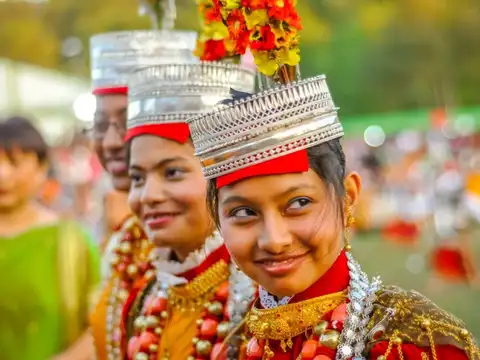
December 2026Meghalaya's winter calendar offers more than visits to waterfalls and living root bridges. In Tura, the Me•Gong Festival, scheduled for 4–5 December 2026, celebrates Garo heritage through traditional cuisine, local art, fashion and cultural performances alongside contemporary music. Further east, Shillong hosts Winter Tales from 17–19 December at Ward's Lake. The event brings together local artisans, designers, musicians, chefs and entrepreneurs, with handmade products, workshops and regional food forming part of the experience. These gatherings offer two different ways to explore Meghalaya: one through the cultural identity of the Garo Hills and the other through Shillong's creative community. Travellers can combine the festivals with regional food experiences and visits to nearby cultural attractions.
8/8
Bikaner's Camel Festival celebrates Rajasthan's desert animal in unusual ways
Date: 9–10 January, 2027
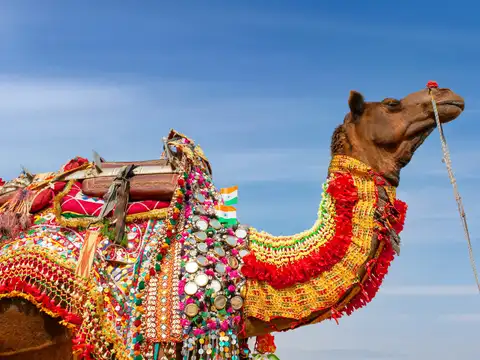
While Jaisalmer celebrates its desert landscape, Bikaner puts the camel centre stage. The annual Bikaner Camel Festival, organised by Rajasthan's Department of Tourism, celebrates the animal's importance in the region's history and everyday life. The programme includes decorated camel processions, camel beauty competitions, races and performances that demonstrate the animals' training and agility. Traditional folk music and cultural performances accompany the celebrations. The festival also offers visitors a chance to explore Bikaner's distinctive desert culture, including its historic Junagarh Fort and traditional food. The Rajasthan government's festival calendar lists 9–10 January for the 2027 edition. Travellers should check the official programme closer to departure for confirmed timings and event locations.
While Jaisalmer celebrates its desert landscape, Bikaner puts the camel centre stage. The annual Bikaner Camel Festival, organised by Rajasthan's Department of Tourism, celebrates the animal's importance in the region's history and everyday life. The programme includes decorated camel processions, camel beauty competitions, races and performances that demonstrate the animals' training and agility. Traditional folk music and cultural performances accompany the celebrations. The festival also offers visitors a chance to explore Bikaner's distinctive desert culture, including its historic Junagarh Fort and traditional food. The Rajasthan government's festival calendar lists 9–10 January for the 2027 edition. Travellers should check the official programme closer to departure for confirmed timings and event locations.