
Walking for weight loss? Avoid these 7 mistakes

1/7
Walking too slowly to burn fat
Walking at a casual pace might feel relaxing, but it won’t push your body to burn stored fat. To boost weight loss, you need to walk briskly — around 100–120 steps per minute — enough to raise your heart rate but still allow you to talk. Walking too slowly keeps you in a comfort zone that burns fewer calories. A fitness watch or step-counting app can help you maintain the right intensity.
2/7
Skipping warm-up and cool-down
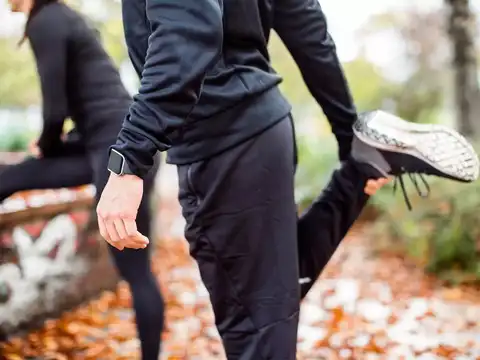
Jumping into a walk without warming up or ending abruptly without cooling down can lead to tight muscles, fatigue, and even injury over time. A quick 3–5 minute warm-up with gentle, slow-paced walking or dynamic stretches gets your muscles ready. After your walk, take time to slow down your pace and do static stretches, especially for your calves, hamstrings, and hips. These few minutes help prevent soreness, improve flexibility, and aid recovery.

3/7
Poor posture while walking
If you’re hunched over, staring at your phone, or dragging your feet, you’re not walking efficiently. Poor posture reduces oxygen flow, strains your neck and back, and limits calorie burn. The correct way to walk is to keep your head up, shoulders relaxed, core engaged, and arms swinging naturally at your sides. Good posture not only makes walking more effective but also helps tone your muscles and reduce the risk of aches and injuries.
4/7
Wearing the wrong shoes
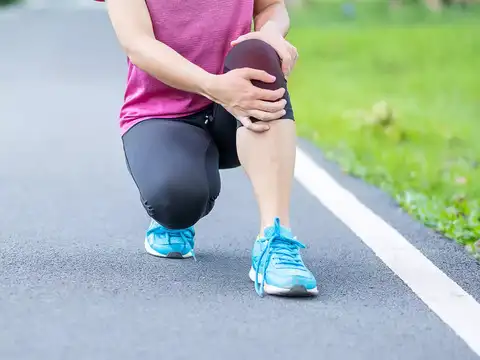
Using worn-out sneakers, flip-flops, or unsupportive shoes can strain your joints and cause foot pain, shin splints, or knee issues. This leads to shorter walks and more skipped days. For optimal performance and safety, wear walking or running shoes with proper arch support, cushioning, and grip. Investing in the right footwear can increase endurance and keep you injury-free.

5/7
Same routine, no progress tracking
Walking the same route at the same pace daily can lead to a weight loss plateau, as your body adapts and burns fewer calories. To stay challenged, mix things up — add hills, alternate speeds, or increase distance. Also, track your walks using a fitness app or journal. Monitoring time, steps, and pace helps you set goals, stay motivated, and see real progress.

6/7
Not staying hydrated
Even light walks cause fluid loss through sweat, especially in humid weather. Dehydration affects performance, slows metabolism, and may trigger unnecessary hunger. Drinking a glass of water 20–30 minutes before walking and sipping small amounts during or after helps your body stay energized and burn fat more efficiently. Skip sugary sports drinks unless you’re walking long distances in heat.

7/7
Overeating after your walk
A common pitfall is overestimating how many calories you’ve burned and using that as an excuse to eat more than needed. A 30-minute walk might burn 120–200 calories, but one indulgent snack can cancel that out. Instead of "rewarding" yourself with food, stay mindful of your intake. Fuel your body with a protein-rich snack or a light balanced meal post-walk to support recovery and maintain your calorie deficit.