
Store mushrooms in a paper bag: Why chefs avoid using plastic
1/7
Mushrooms Are Not Like Other Vegetables
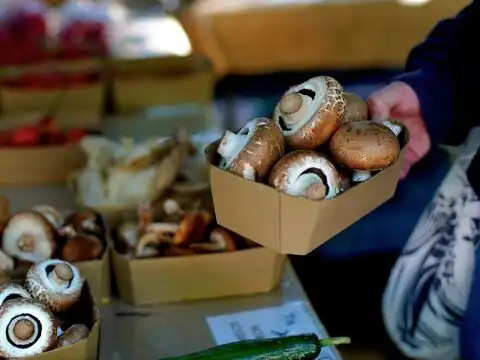
Mushrooms are fungi, not produce, and they behave very differently after harvest. They have a highly porous epidermal structure which means their respiration rate is far higher than most fruits and vegetables, reaching 200 to 500 mg per kg per hour at 20 degrees Celsius. That high activity is exactly why they go bad so fast in the wrong packaging.
2/7
Plastic Traps Moisture And Speeds Up Decay
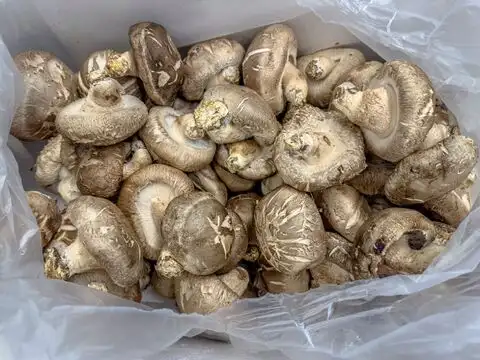
Mushrooms are sensitive to surrounding humidity levels. Very high relative humidity encourages water vapour condensation on the mushroom surface, which accelerates microbial growth and discolouration. A sealed plastic bag creates exactly that environment, turning your mushrooms soft and slimy within days, sometimes hours.
3/7
Paper Breathes, Plastic Does Not
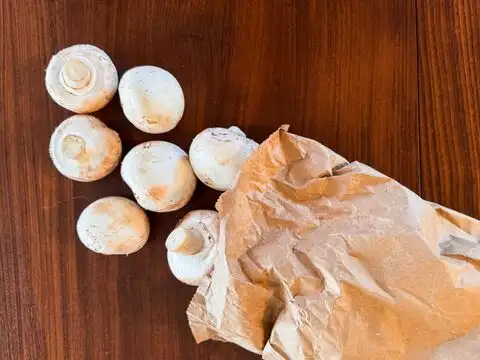
The fix is simple. A brown paper bag absorbs surface moisture while still allowing airflow, keeping humidity at a level that slows bacterial growth without drying the mushroom out. Research published in Postharvest Biology and Technology confirms that packaging which allows moderate air exchange helps decrease respiration rate, microbial growth, and physiological disorders in stored mushrooms.
Amazon Top Deals
POWERED BY
4/7
How Much Difference Does It Actually Make?
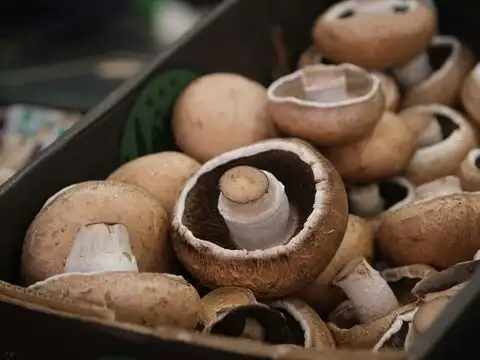
Quite a lot. Fresh mushrooms have a moisture content of 80 to 90 percent and their active postharvest physiological processes lead to rapid quality deterioration, causing non-negligible economic losses. The right packaging can slow that deterioration meaningfully. Paper keeps mushrooms firm and usable for up to a week, plastic often fails by day three or four.
5/7
Do Not Wash Them Before Storing
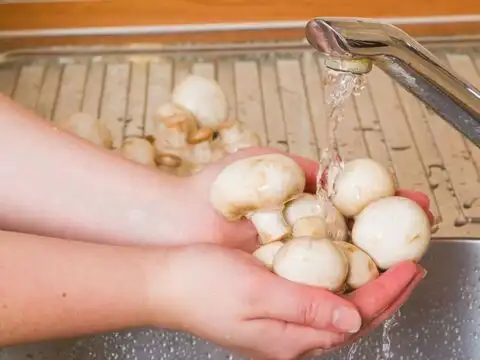
This is where most people make a second mistake. Washing adds surface water that accelerates everything the paper bag is trying to prevent. A published study on mushroom transpiration confirms that even at full saturation, mushrooms continue releasing moisture, meaning any extra surface water only adds to the humidity problem inside the package. Wash only right before cooking.
6/7
Where In The Fridge Matters Too
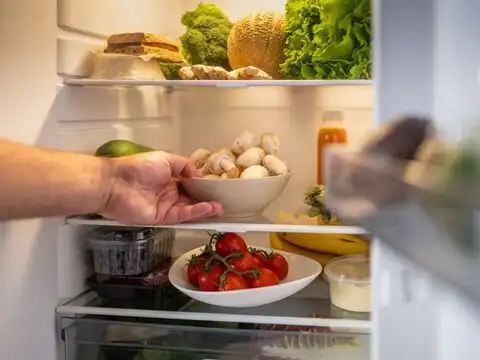
Within the range of 5 to 35 degrees Celsius, mushroom respiration rate rises sharply with temperature, with a 10 degree increase capable of elevating the rate by three to four times. Keep mushrooms in the main compartment of the fridge where it is coldest and most stable, not in the crisper drawer which can be too warm or too humid.
7/7
The Right Way To Do It
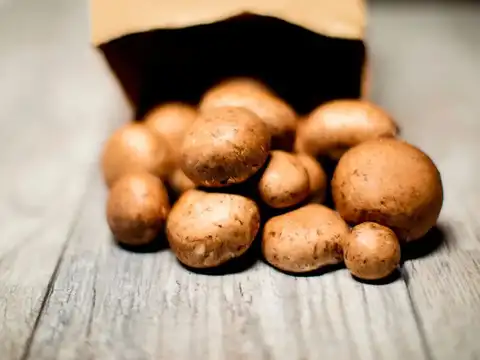
Transfer mushrooms into a plain brown paper bag as soon as you get home. Keep them whole and unwashed. Fold the top loosely, do not seal it. Place the bag in the coldest part of your fridge. Packaging that combines controlled airflow with low temperatures is the most established method for extending mushroom shelf life after harvest, according to peer reviewed postharvest research.
(Disclaimer: This story is for educational purposes alone and should not be considered as professional medical advice and does not substitute any medical advice.)
(Disclaimer: This story is for educational purposes alone and should not be considered as professional medical advice and does not substitute any medical advice.)