
7 superfoods with more fibre than Chia seeds
1/8
Foods With More Fibre Than Chia Seeds
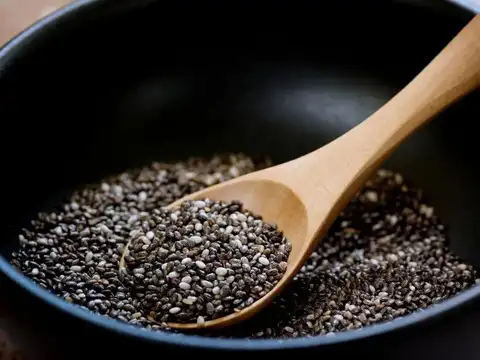
Chia seeds get a lot of attention for their fibre content. But several everyday foods, many of them already sitting in Indian kitchens, actually pack more or nearly as much fibre per serving. Here are seven that deserve more attention.
2/8
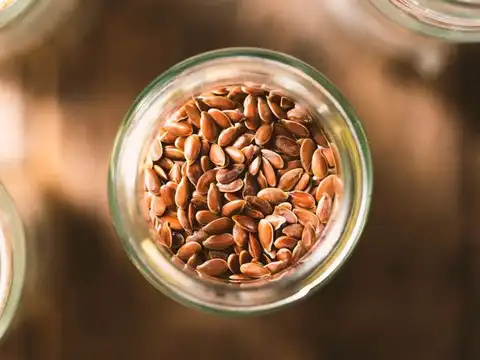
Flaxseeds (Alsi)
Flaxseeds contain around 27g of fibre per 100g, close to chia seeds and sometimes more by serving. According to a review published in PMC by the National Institutes of Health, flaxseeds contain roughly 35% dietary fibre along with omega-3 fatty acids and lignans. Grind them before eating. Whole flaxseeds pass through the body without being absorbed.
3/8
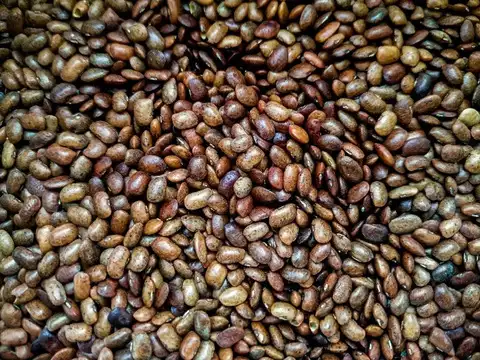
Horse Gram (Kulthi Dal)
Horse gram is one of the most underused pulses in Indian cooking. Research published in PMC identifies it as a strong source of both soluble and insoluble dietary fibre along with protein and essential minerals. It is common in South Indian and Rajasthani kitchens but largely ignored elsewhere. Worth bringing back.
Amazon Top Deals
POWERED BY

4/8
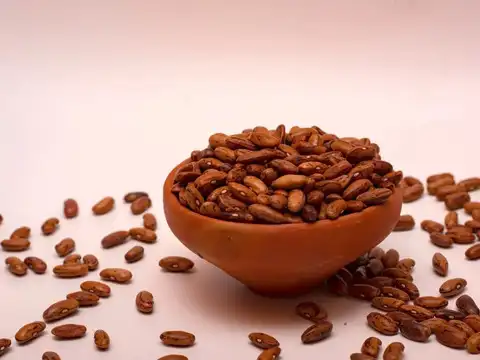
Rajma (Kidney Beans)
One cup of cooked rajma gives you close to 15g of fibre, well above what most chia seed servings deliver. A study in the Journal of Food Science and Technology found kidney beans are also rich in resistant starch, which feeds gut bacteria and supports digestive health. Most Indian households already cook this regularly.
5/8
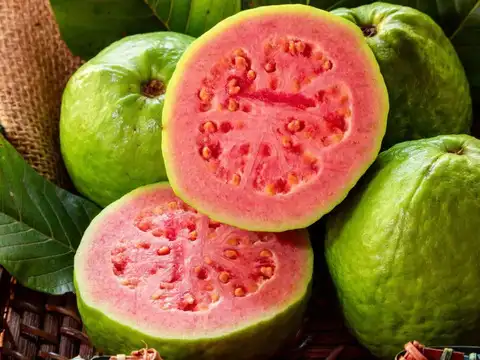
Guava (Amrood)
One whole guava gives you close to 9g of fibre, according to USDA nutritional data. That is more fibre per fruit than most people get from a tablespoon of chia seeds. It is cheap, widely available across India, and also one of the richest natural sources of Vitamin C. Eating it with the skin gives you more fibre.
6/8
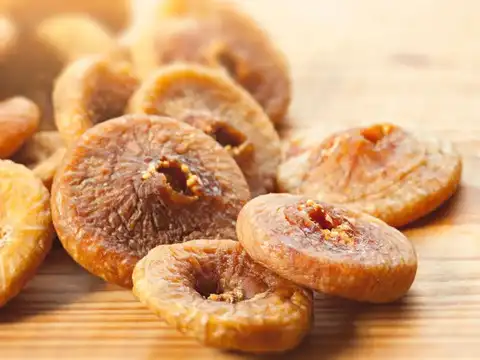
Dried Figs (Anjeer)
Dried anjeer contains around 9.8g of fibre per 100g and is easy to add to your daily routine. They are rich in both soluble and insoluble fibre, making them good for digestion and blood sugar regulation. USDA FoodData Central lists dried figs among the top fibre-dense fruits. Two to three pieces daily is enough to make a real difference.
7/8
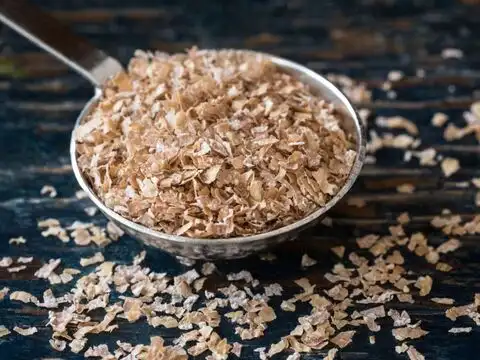
Wheat Bran (Gehun Ka Chokar)
Wheat bran contains around 42g of fibre per 100g, which is more than even chia seeds. The USDA and ANSES food composition data both rank it among the highest fibre foods available. A small spoonful stirred into atta before making rotis, or added to porridge, can significantly boost daily fibre intake without changing your regular meals.
8/8
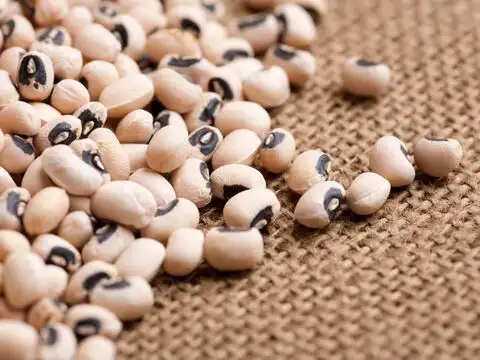
Black-Eyed Peas (Lobia)
Lobia is one of the most fibre-rich legumes available in India and also one of the most affordable. Cooked lobia provides around 11g of fibre per 100g. A review in Legume Science published by Wiley highlights underutilised legumes like lobia as nutritionally superior to many trendy superfoods. A simple lobia curry twice a week is enough to noticeably improve gut health.