
7 beautiful places near Bengaluru to visit during monsoon
1/7
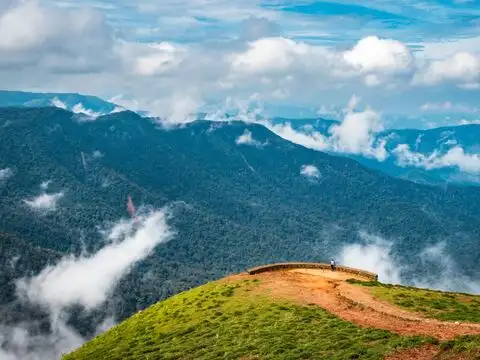
Coorg (Kodagu), 250 km
Dense forests, cascading waterfalls, and coffee estates draped in mist. Coorg is genuinely at its most beautiful between June and September. Abbey Falls and Iruppu Falls are at full roar. Kodagu receives an average annual rainfall of 4,000 mm and sits within one of the most ecologically rich districts in the Western Ghats, recognised as a UNESCO World Heritage landscape.
2/7
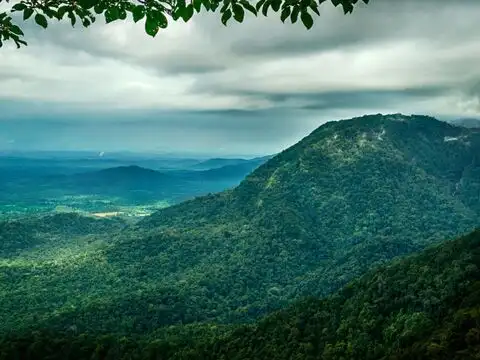
Agumbe, 320 km
Called the Cherrapunji of the South for good reason. Agumbe receives among the highest rainfall of any place in peninsular India. A study on long-term monsoon patterns at Agumbe found mean annual rainfall of over 7,400 mm, concentrated largely over the southwest monsoon months, making it one of the wettest experiences you can have on a road trip.
3/7
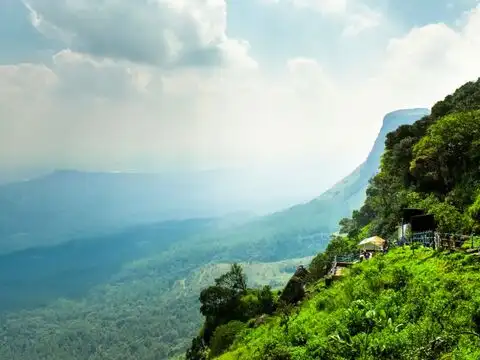
Chikmagalur, 240 km
Rolling coffee hills, cool air, and waterfalls hidden inside forest trails. Chikmagalur sits inside the Western Ghats, which the Western Ghats region, declared a UNESCO World Heritage Site in 2012, contains more than 30% of all plant, fish, bird and mammal species found in India, making any monsoon trek here genuinely special.
Amazon Top Deals
POWERED BY
4/7
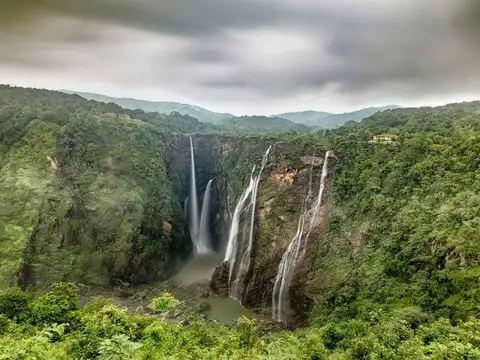
Jog Falls, 370 km
India's second highest plunge waterfall, and monsoon is the only time it truly earns that title. Jog Falls drops 253 metres on the Sharavathi River and splits into four cascades named Raja, Rani, Roarer and Rocket, each thundering at full volume between July and October.
5/7
Sakleshpur, 220 km
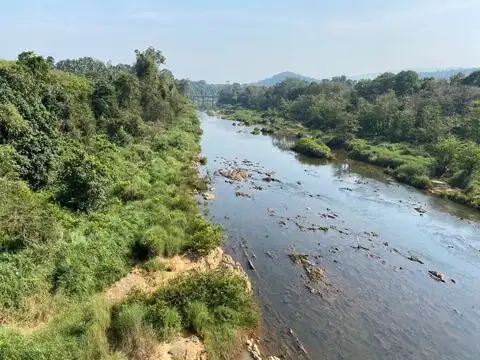
Coffee estates, spice gardens, and the stunning Bisle Viewpoint where three mountain ranges come into frame at once. During monsoon the Giri River passes through the valley beneath misty clouds, creating an atmosphere that draws both trekkers and nature lovers to Sakleshpur. One of the quieter alternatives to Coorg and far less crowded on weekends.
6/7
Kudremukh, 340 km
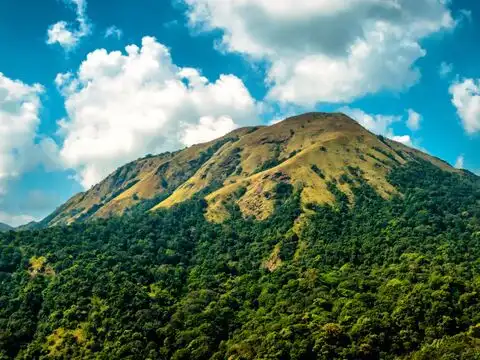
Rolling grasslands, shola forests, and trails that feel genuinely remote. Kudremukh is part of a national park that sits at the heart of the Western Ghats, a landscape recognised by UNESCO for exceptional plant and animal diversity and endemism, including 179 amphibian species of which 65% are endemic to the region.
7/7
Skandagiri, 62 km
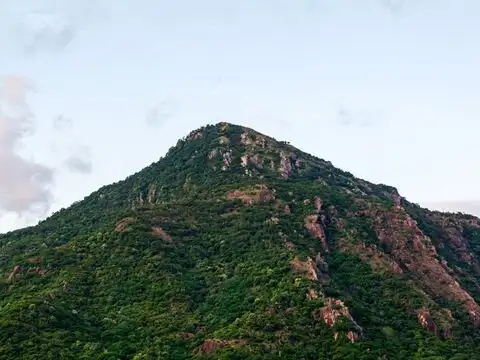
The closest option on this list and one of the most rewarding. Skandagiri sits at an altitude of 1,459 metres and its hilltop trails pass through ruins of 18th century forts, with spectacular misty views from the peak during monsoon. Night treks here during the rains are an experience most Bengalureans never try but rarely forget.(Image for representative purpose only)