
6 signs your body needs more protein

1/6
Constant Fatigue or Weakness
Constant fatigue or weakness despite rest may indicate low protein levels as your body lacks enough amino acids to repair tissues maintain muscles and support energy production throughout the day.
2/6
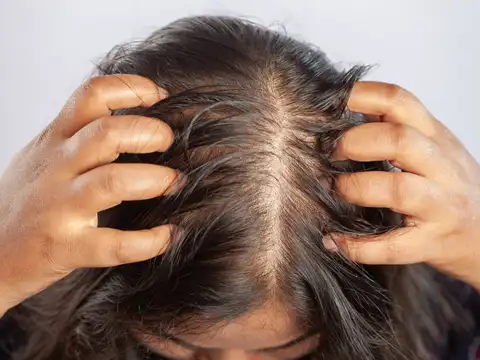
Hair Loss or Thinning
Increased hair fall or thinning hair can be a sign of protein deficiency because hair is primarily made of protein and insufficient intake weakens strands slowing growth and causing breakage.

3/6
Frequent Illness
Getting sick often or experiencing slow recovery may suggest low protein intake since protein helps build antibodies and immune cells that protect your body from infections and illnesses effectively more.
Amazon Top Deals
POWERED BY

4/6
Muscle Loss
Loss of muscle mass or difficulty building strength even with exercise can indicate insufficient protein as your body begins breaking down muscle tissue to meet its protein needs daily requirements.

5/6
Constant Hunger
Feeling hungry frequently especially after meals may be linked to low protein intake because protein increases satiety and keeps you fuller for longer helping control appetite and reduce unnecessary snacking.

6/6
Slow Wound Healing
Slow healing of cuts wounds or injuries can signal protein deficiency as protein plays a key role in tissue repair collagen formation and rebuilding damaged cells in the body processes.
READ MORE:
signs of protein deficiency |protein deficiency symptoms |how to know if you need more protein |low protein symptoms in body |importance of protein in diet |high protein diet benefits |protein deficiency signs in women |daily protein requirement India |symptoms of low protein intake |foods rich in protein India