
PAN rules 2026: 8 transactions where PAN is no longer needed and cases where it’s mandatory
1/9
PAN rules 2026: Major PAN quoting changes every taxpayer must know
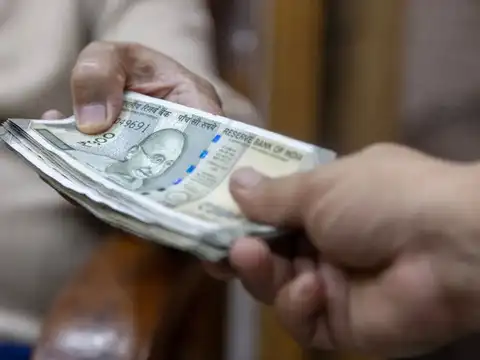
The new Income Tax Rules, 2026 have changed when you need to provide your PAN for financial transactions. In some cases, PAN requirements have been relaxed, while in others, the rules have become stricter. The government has also introduced a new Form 97, which takes the place of Form 60. From property deals to cash deposits and insurance payments, several important transaction limits have now changed.
2/9
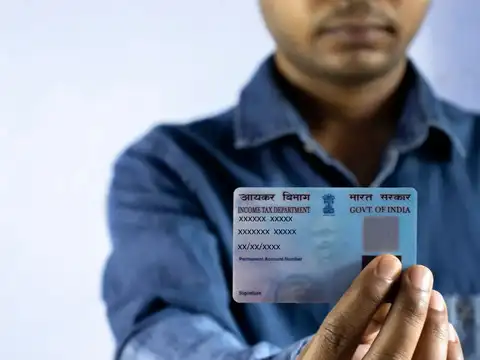
PAN for cash deposits in 2026: New limits and reporting rules
Earlier, PAN had to be quoted for cash deposits above Rs 50,000 in a single day. This requirement has now been removed. Also, the annual reporting threshold for cash deposits has been increased sharply from Rs 2.5 lakh to Rs 10 lakh. At the same time, annual cash withdrawals above Rs 10 lakh will now come under PAN reporting rules.
3/9
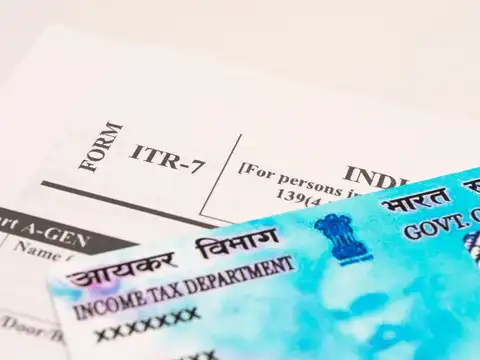
Property PAN rules 2026: New limits for buying, selling and gifts
The PAN quoting threshold for buying or selling immovable property has increased from Rs 10 lakh to Rs 20 lakh. Reporting limits for property transactions have also gone up from Rs 30 lakh to Rs 45 lakh. The rules now specifically cover gift deeds and Joint Development Agreements (JDAs), widening the scope of property-related PAN compliance.
Amazon Top Deals
POWERED BY


4/9
PAN mandatory for property deals above Rs 45 lakh
With the new regulations in place, individuals involved in property deals of over Rs 45 lakh need to get a PAN, if they already don’t have one. Earlier, such deals could often be completed using Form 60. Now, this leniency has ended for high-value property transactions, making it mandatory to have PAN in many cases, including gifts and Joint Development Agreements (JDAs) as well.

5/9
Foreign travel and forex PAN rules 2026: What has changed?
Separate PAN quoting categories for foreign travel expenses and foreign currency purchases have been removed. However, these transactions may still get covered under the broader category of purchase of goods and services if payments exceed Rs 2 lakh per transaction. Foreign exchange reporting thresholds now differ depending on whether PAN is available or not.
6/9
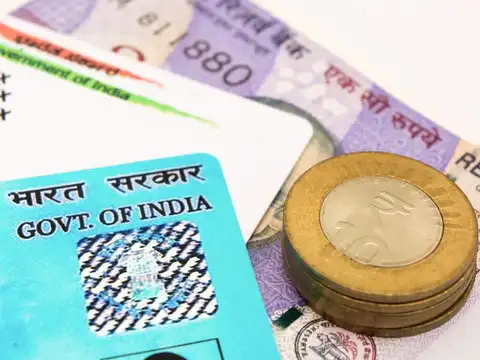
Insurance premium and stamp paper PAN Rules
Several new transactions will now be reported to the Income Tax Department. Insurance companies must report premium receipts above Rs 5 lakh for PAN holders and Rs 2.5 lakh where PAN is unavailable. Stamp paper purchases will also be monitored, with reporting limits fixed at Rs 2 lakh for PAN holders and Rs 1 lakh without PAN.

7/9
Hotel bills, banquet halls and event payments: PAN rules get stricter
The PAN quoting threshold for hotel and restaurant cash payments has been increased from Rs 50,000 to Rs 1 lakh per transaction. At the same time, the scope has expanded to include banquet halls, convention centres and event managers. This means large event-related cash payments may now attract stricter reporting and verification requirements.

8/9
Motor vehicle PAN rules 2026: New rules for two-wheelers and bank drafts
The new rules continue PAN requirements for purchase of vehicles above Rs 5 lakh and now specifically include two-wheelers covered under the Motor Vehicles Act. Tractors have been excluded. Meanwhile, cash payments for bank drafts, pay orders and banker’s cheques no longer require PAN quoting on a daily basis, though annual monitoring rules still apply.

9/9
Form 97 replaces form 60: New PAN compliance rules taxpayers should know
Form 60 has now been replaced with the new Form 97 for people who do not have PAN. However, this option is no longer available for certain high-value property deals above Rs 45 lakh, where PAN is compulsory. The updated framework aims to simplify low-risk transactions while increasing scrutiny on large financial and property-related activities.