
From Rs.20,000 to Rs.2 lakh: Check the cash transaction limits that can trigger 100% income tax penalties

1/8
STOP! Cash over Rs.20,000 can cost you big
Taking cash loans or deposits above Rs.20,000, even from friends, can lead to a penalty equal to the entire amount under Income Tax Sections 269SS and 271D. These rules strictly ban cash transactions exceeding this limit to curb tax evasion. The best way to avoid penalties is to use safer payment methods like UPI, bank transfers, or cheques. Following these rules helps keep your finances compliant and penalty-free.

2/8
Why the tax dept says “say no to cash”
The Income Tax Department has warned that even personal cash transactions can break the law if they exceed limits. Cash payments above the threshold leave no digital record for audits, raising risks of black money scrutiny. This makes it easier for authorities to spot potential tax evasion. Stick to traceable methods like UPI or bank transfers to stay safe and penalty-free.
3/8
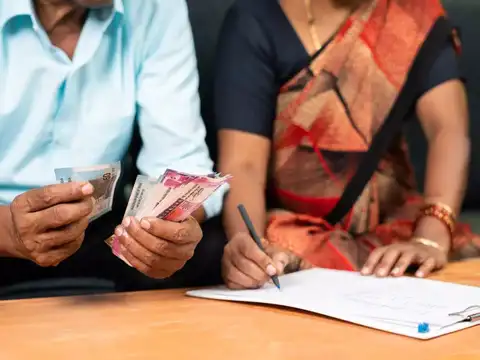
Cash loan to a friend? Here’s the tax trap
⦁If you take a Rs.30,000 cash loan from a friend, you violate Section 269SS.
⦁Penalty? Rs.30,000—equal to the loan amount.
⦁Experts say even friendly help must move through UPI, NEFT, RTGS, cheque, or bank draft.
⦁Penalty? Rs.30,000—equal to the loan amount.
⦁Experts say even friendly help must move through UPI, NEFT, RTGS, cheque, or bank draft.
Amazon Top Deals
POWERED BY

Crompton Ozone 75 Litres Desert Air Cooler for home | Large & Easy Clean Ice Chamber | 4-Way Air Deflection | High Density Honeycomb Pads | Everlast Pump | Auto Fill| 3 Year Brand Warranty
₹9,798Buy Now43%
OFF

LG 32 L Convection Microwave Oven (MC3286BRUM, Black, 360° Motorised Rotisserie for Bar-be-queing, 301 Auto Cook Menu, Stainless steel cavity, Indian Cuisine, Tandoor Se, Steam Clean & Diet Fry)
₹18,780Buy Now22%
OFF

4/8
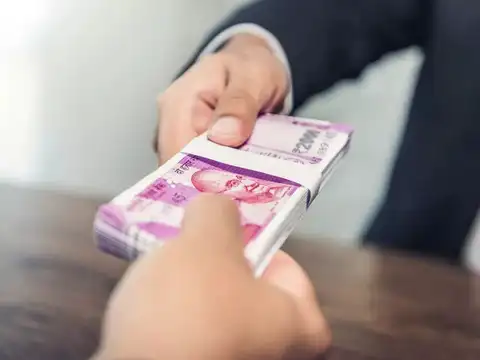
What Section 269SS really bans
You cannot accept Rs.20,000 or more in cash as:
⦁ A loan
⦁ A deposit
⦁ Advance for property
Applies to everyone—whether assessed to tax or not. Only a few institutions (banks, govt, etc.) are exempt.
⦁ A loan
⦁ A deposit
⦁ Advance for property
Applies to everyone—whether assessed to tax or not. Only a few institutions (banks, govt, etc.) are exempt.
5/8
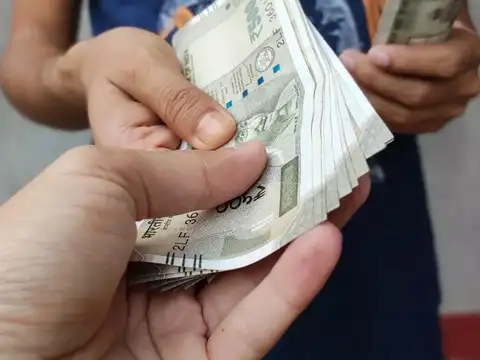
Section 269ST: Cash limit of Rs.2 lakh per person
You can’t receive Rs.2,00,000 or more in cash:
⦁From one person in a single day
⦁For one transaction
⦁For one event/occasion
Break this? Section 271DA hits you with a 100% penalty.
⦁From one person in a single day
⦁For one transaction
⦁For one event/occasion
Break this? Section 271DA hits you with a 100% penalty.
6/8
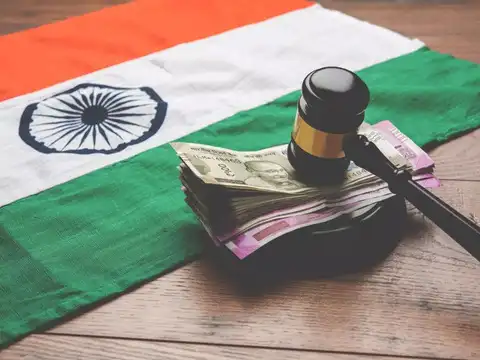
Even repaying loans in cash can get you penalised
Section 269T bans repaying loans or deposits of ?20,000 or more in cash. If you break this rule, Section 271E imposes a penalty equal to the amount paid in cash. To avoid fines and legal trouble, always repay such amounts through electronic payments. Following this simple rule keeps your transactions safe and compliant.
7/8
SC’s new crackdown: Courts & registrars must report cash
In April 2025, the Supreme Court ruled:
⦁Courts must alert the Income Tax Department about cash payments = Rs.2 lakh.
⦁Registrars must report property deals with cash components.
⦁Officers who fail to report can face disciplinary action.
⦁Courts must alert the Income Tax Department about cash payments = Rs.2 lakh.
⦁Registrars must report property deals with cash components.
⦁Officers who fail to report can face disciplinary action.

8/8
Final Takeaway: Use UPI, avoid penalties
UPI, NEFT, IMPS, RTGS, BHIM, and card payments are the safest ways to make transactions today. Using these digital methods ensures your money is traceable and secure. If you handle cash above the legal limits, you risk a penalty equal to 100% of the amount, along with income-source checks and possible legal issues. When unsure, always choose digital payments to stay fully compliant and avoid trouble.