
From Paytm to Google Pay: Pocket money goes digital for teens in India; what parents ought to do
1/7
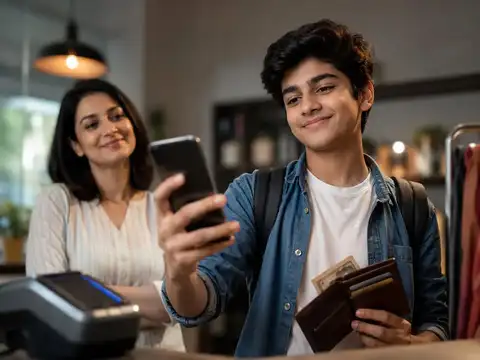
Your teen's first wallet doesn't need a bank account
India's UPI ecosystem now lets minors pay digitally, no bank account required. A new wave of apps puts spending power in teens' hands while parents stay firmly in control.
2/7
Meet UPI Circle, the parent-approved payment net
NPCI's UPI Circle links a teen's payment app to a parent's bank account. The parent becomes the "Primary User" funding the money; the teen is the "Secondary User" who spends it — all from their own phone.
3/7
Approve every rupee, or set it on autopilot
Parents choose how hands-on they want to be. Manual approval pings you before every purchase. Automatic approval lets small, pre-set transactions go through instantly — no permission needed each time.
Amazon Top Deals
POWERED BY

Crompton Ozone 75 Litres Desert Air Cooler for home | Large & Easy Clean Ice Chamber | 4-Way Air Deflection | High Density Honeycomb Pads | Everlast Pump | Auto Fill| 3 Year Brand Warranty
₹9,798Buy Now43%
OFF

LG 32 L Convection Microwave Oven (MC3286BRUM, Black, 360° Motorised Rotisserie for Bar-be-queing, 301 Auto Cook Menu, Stainless steel cavity, Indian Cuisine, Tandoor Se, Steam Clean & Diet Fry)
₹19,340Buy Now19%
OFF

4/7
Paytm Pocket Money puts a ₹5,000 ceiling on spending
Built on the UPI Circle framework, Paytm's teen feature lets kids scan merchant QR codes to pay. Parents can cap daily spending, up to ₹5,000, and watch every transaction roll in live.
5/7
FamApp and Junio hand teens their own card
FamApp gives teens a personal UPI ID and a numberless prepaid card. Junio goes further with physical and virtual RuPay cards, chore-based rewards, and automatic allowance transfers, all trackable by parents in real time.
6/7
Google Pay joins the teen banking race
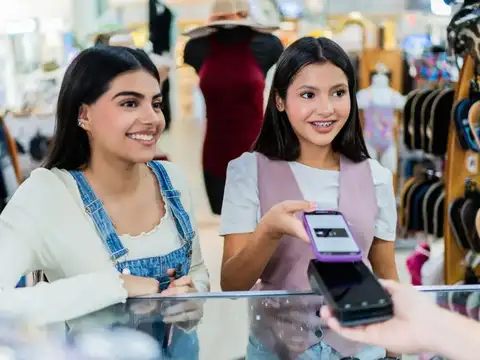
Teens aged 13 to 18 can now run a supervised Google Account through Google Pay, sending money, shopping in stores, recharging phones, and scanning QR codes, all under parental guidance.
7/7
The real reason isn't spending, it's security
No bank account. No shared PINs. No surprises. Experts say the bigger win is teaching teens to spot phishing, guard their OTPs, and build saving habits — turning pocket money into a financial literacy lesson.