
10 bank transactions that can draw income tax attention even If you're not rich

1/10
Your bank already told the taxman
You don't have to be rich or run a business to land on the Income Tax Department's radar. Thanks to PAN-linking and automated reporting, even routine banking activity, deposits, withdrawals, card payments, can quietly trigger a review. Here are 10 transactions that commonly raise red flags, and what to do about them.

2/10
You're being watched (legally, and automatically)
Banks, mutual funds, and property registrars are legally required to report certain transactions under Section 285BA of the Income Tax Act. This data flows into your Annual Information Statement (AIS) and Form 26AS, then gets matched against the income you've declared. If a salaried person shows ₹6 lakh income but ₹20 lakh in bank deposits, the mismatch alone can trigger a query, no wrongdoing required to get flagged, just an unexplained gap.

3/10
Cash red flag #1: ₹10 lakh cash deposit = Instant report to the taxman
Deposit ₹10 lakh or more in cash into a savings account within a single financial year, and your bank is obligated to report it, automatically, no exceptions. This doesn't mean you did something wrong, but it does mean you'll need paperwork ready: sale deeds, loan repayment proof, or gift deeds that explain where the money came from.
Amazon Top Deals
POWERED BY

4/10
Credit card trap: Big card bills can backfire on you
Paying ₹1 lakh or more in cash toward your credit card bill, or ₹10 lakh or more via bank transfer in a year, gets reported to tax authorities. The logic: if your spending looks lavish but your declared income is modest, it's an obvious mismatch worth investigating. Keep invoices and receipts so your lifestyle and income tell the same story.

5/10
The "splitting" myth: Splitting deposits doesn't fool the system
Think depositing ₹2 lakh five separate times avoids the ₹10 lakh threshold? It doesn't. The system aggregates all your transactions across the year, so regular large cash movements, even below the reporting limit individually, can still draw suspicion if they don't match your declared income.

6/10
Property alert: Buying or selling a house? So is the taxman
Any property transaction, purchase or sale, valued at ₹30 lakh or more gets reported under the SFT framework. Real estate deals are notorious for undisclosed cash components, which is exactly why they're closely watched. Always register at full value and use traceable payment modes like cheque or bank transfer.

7/10
A dormant account suddenly showing big money? Red flag
If an account that's been inactive for months or years suddenly sees large deposits or withdrawals, it stands out immediately. It could mean someone else is using your account, or that you're parking money hoping it goes unnoticed, either way, expect questions. If you're reactivating an old account, inform your bank and keep documentation ready for one-time inflows like inheritance or asset sales.
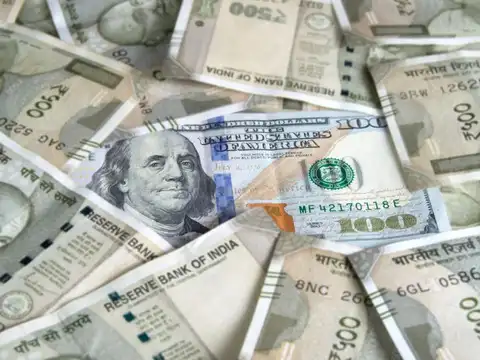
8/10
Spending abroad? It's tracked too
Foreign currency purchases, overseas remittances, and international credit card spending that add up to ₹10 lakh or more in a year are monitored closely. Big overseas expenses without matching declared income can prompt an inquiry, so hold onto travel tickets, tuition receipts, and remittance proof as backup.

9/10
That "small" interest income? The taxman already knows
Every rupee of interest you earn, from savings accounts, fixed deposits, or other instruments, is reported directly to your AIS, whether you declare it or not. Many people forget to include this small income when filing returns, but since every account is PAN-linked, the department can easily total it up and spot the gap.

10/10
Legit money, organized paperwork? Nothing to fear
Getting flagged isn't the same as getting penalized; the trouble starts only when you can't explain a transaction. Ignoring a notice, however, can escalate things: concealment penalties range from 50% to 200% of the tax owed, plus interest on the shortfall. The fix is simple: declare everything, avoid splitting cash to dodge limits, prefer digital payments, and check your AIS every year before filing. Transparency is always cheaper than a tax notice.