
Want ₹2 crore retirement corpus? Low-risk plan to grow money in 20 years

1/7
Why Rs 2 crore may not be enough
A Rs 2-crore retirement corpus might look adequate right now, but inflation could really diminish its worth over the next 20 years. Plus, holding an equity-heavy portfolio close to retirement can be risky, since even minor market dips can throw your plans off track.
According to Ravi Singh, chief research officer (advisory & research), Master Capital Services Limited, if inflation stays at a steady 5%per year:
● Rs 2 crore today may require Rs 5.25 crore in 20 years
● Rs 6.75 crore in 25 years
● Rs 8.5 crore in 30 years
According to Ravi Singh, chief research officer (advisory & research), Master Capital Services Limited, if inflation stays at a steady 5%per year:
● Rs 2 crore today may require Rs 5.25 crore in 20 years
● Rs 6.75 crore in 25 years
● Rs 8.5 crore in 30 years
2/7
Investment strategy to build retirement corpus
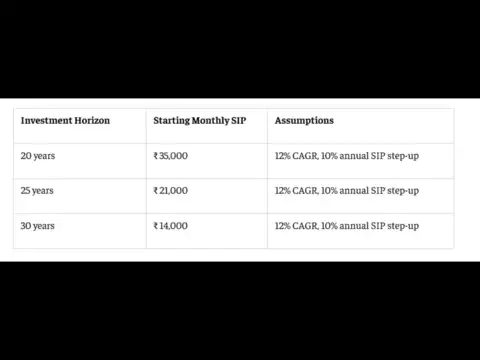
Experts suggest starting with a step-up SIP strategy, where you increase your investment amount by 10% every year to build a larger retirement corpus over time.
The table above shows an investment strategy by Ravi Singh based on this approach.
The table above shows an investment strategy by Ravi Singh based on this approach.
3/7
Impact of market fall on corpus
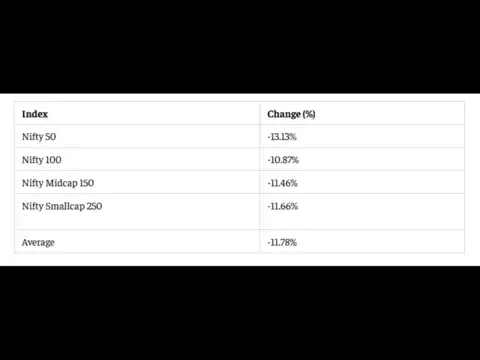
An equity-heavy portfolio near retirement exposes you to the risk of market volatility. Even a few months’ downturn can significantly impact your retirement corpus.
The table above shows the performance of key indices (Jan–April 2026). A 12% fall in a Rs 2 crore portfolio can reduce it to around Rs 1.77 crore within three months.
The table above shows the performance of key indices (Jan–April 2026). A 12% fall in a Rs 2 crore portfolio can reduce it to around Rs 1.77 crore within three months.
Amazon Top Deals
POWERED BY


4/7
Strategies to minimise market crash impact
A glide path strategy involves gradually reducing equity exposure as retirement approaches and shifting funds to debt or fixed-income assets.
Under the bucket strategy, divide your corpus into:
● 0–3 years: Savings or liquid funds for immediate needs
● 3–7 years: Debt or hybrid funds
● 7+ years: Equity mutual funds and index funds
Under the bucket strategy, divide your corpus into:
● 0–3 years: Savings or liquid funds for immediate needs
● 3–7 years: Debt or hybrid funds
● 7+ years: Equity mutual funds and index funds
5/7
Asset allocation & liquidity strategy
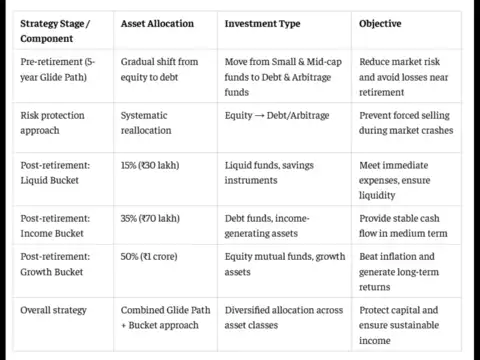
The table above by Ankit Patel shows asset allocation strategies for a Rs 2 crore corpus.
Maintaining 2 years of cash flow in liquid assets helps avoid selling equities during market downturns.
Maintaining 2 years of cash flow in liquid assets helps avoid selling equities during market downturns.
6/7
Withdrawal strategy for long-term income
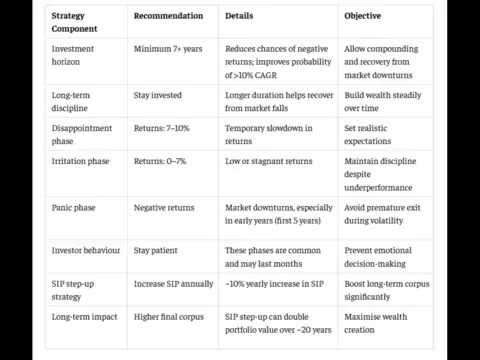
The table above, by Jiral Mehta of FundsIndia, shows asset allocation strategies for a Rs 2 crore corpus.
A 4–5% withdrawal rate with around 60% equity exposure can support long-term income while allowing the corpus to grow.
A 4–5% withdrawal rate with around 60% equity exposure can support long-term income while allowing the corpus to grow.

7/7
Mistakes to avoid in retirement phase
Avoid stopping SIPs during market crashes, as this converts temporary losses into permanent ones.
Also, being overly conservative can hurt long-term growth and may prevent achieving returns needed to beat inflation.
Also, being overly conservative can hurt long-term growth and may prevent achieving returns needed to beat inflation.