
Selling old gold jewellery? 5 things to know before you cash in on high prices
1/8
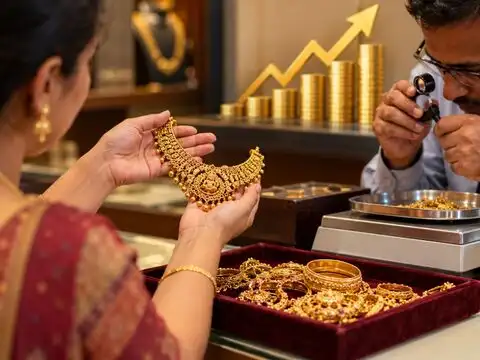
Your old family gold could be worth a fortune. But how much will you actually get?
That necklace your mother wore at her wedding or the bangles passed down by your grandmother may be worth a lot more today than when they were bought. With gold prices climbing sharply in recent years, selling unused jewellery might seem like an easy way to raise cash. But the market price tells only part of the story. The purity of your ornaments, their actual gold weight and the deductions made by the buyer can all affect your payout. Before parting with a family heirloom, find out what it is really worth.
2/8
The gold rate you see is not the amount you receive
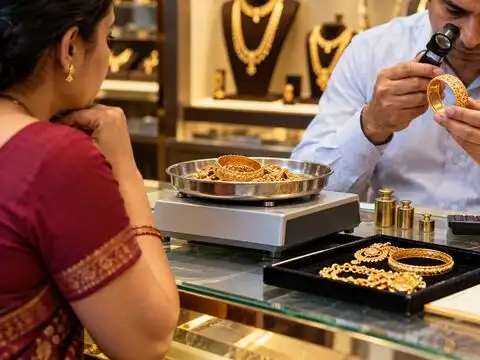
Gold prices make headlines, but the rate quoted for buying new jewellery is not necessarily the rate a jeweller will offer for your old ornaments. Buyers generally assess the jewellery’s purity, calculate its eligible gold weight and apply their buying rate for that purity. The final amount may also reflect disclosed testing, refining or other applicable deductions. Before accepting an offer, check the day’s rate for the relevant purity and ask the jeweller to explain how it has been used in the valuation.
3/8
Is your jewellery really 22-carat gold?
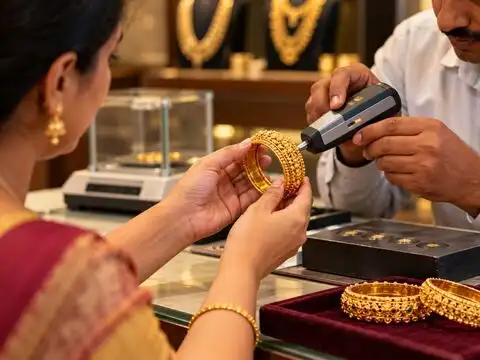
Two ornaments that look identical can have different values if their gold content differs. Traditional Indian jewellery is often made from 22-carat gold, but older pieces may be of a different purity or contain solder and repaired sections. In simple terms, 22-carat gold has a fineness of 916, meaning approximately 91.6% gold, while 18-carat gold has a fineness of 750, or 75% gold. Ask for a purity test and make sure the result is explained before agreeing to sell.
4/8
Stones and extra weight can shrink your payout
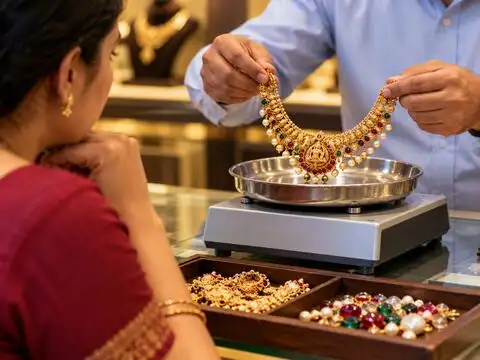
A heavy necklace does not always translate into a high gold valuation. Precious and imitation stones, beads, enamel, lac and other non-gold components can contribute to an ornament’s total weight. A jeweller may exclude these materials when calculating the gold value. For example, if a necklace weighs 20 grams but contains 2 grams of non-gold material, the eligible metal weight would be 18 grams, subject to the buyer’s assessment. Ask for the gross weight, deductions and net gold weight to be recorded separately.
5/8
Here is how to estimate what your old gold is worth
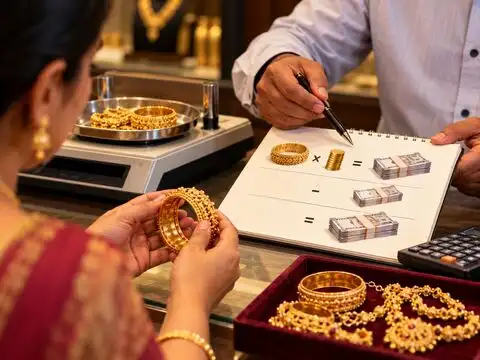
Suppose you have 18 grams of eligible 22-carat gold and the jeweller’s stated buying rate for 22-carat gold is ₹12,000 per gram. The preliminary value would be ₹2,16,000 before any applicable deductions.
If the buyer then applies a disclosed deduction of ₹2,000, the amount payable would be ₹2,14,000.
These figures are illustrative, not current market rates or a prediction of what a jeweller will offer. The actual amount depends on the purity test, eligible weight, buying rate and transaction terms. The key is to ask for the calculation in writing rather than relying on a verbal quote.
6/8
The making charges you paid may not come back
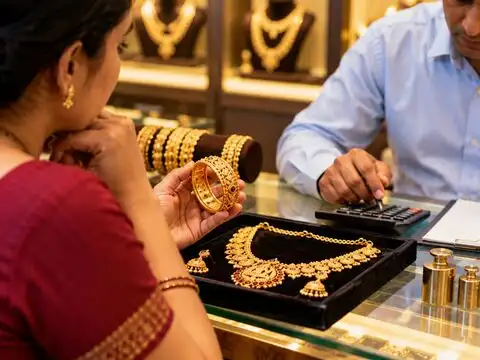
When you purchased new jewellery, the bill likely included making charges for the design and craftsmanship, along with applicable taxes. These costs generally do not form part of the gold’s resale value. That is why an ornament bought for a high retail price may fetch much less when sold, even if gold prices have risen since the purchase. Before accepting an offer, ask whether the buyer is applying any refining or processing deduction as well. Each deduction should have a clear explanation and calculation.
7/8
Five checks to make before selling family gold
A little preparation can help you avoid an unfavourable deal.
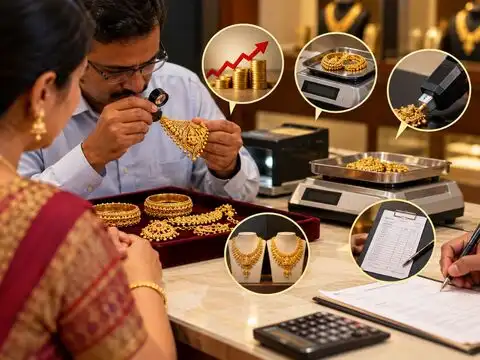
*Check the rate: Confirm the applicable buying rate for your jewellery’s purity on the day of the sale.
*Watch the weighing: Ask for the gross weight and eligible gold weight to be shown separately.
*Understand the test: Have the purity assessment explained and ask whether the method could damage the ornament.
*Compare offers: Obtain written valuations from at least two reputable jewellers.
*Keep a record: Request a receipt showing the weight, purity, rate, deductions and final amount.
If your jewellery is hallmarked, you can also check its HUID, where available, through the BIS Care app. A hallmark helps establish recorded purity, but it does not guarantee a particular resale price.
8/8
Sell it, exchange it or keep it? Make the decision count
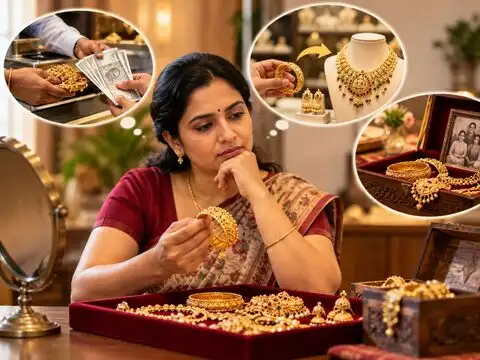
High gold prices may make selling attractive, but cash is not the only consideration. If the jewellery has sentimental or antique value, think carefully before agreeing to have it melted. If you need money, compare an outright sale with an exchange offer, checking the final value of the old gold and the full cost of any new jewellery separately. You could also consider keeping the pieces if you do not need the funds immediately. Once a family heirloom is melted, its original design and history may be impossible to recover. The best decision balances a fair financial return with what the jewellery means to you.