
Latest bank locker rules September 2024: Eligibility, cost, locker agreement

1/8
How to open a bank locker
A bank locker is a secure location for storing valuable items like jewelry, important paperwork, and other precious possessions. The following describes the process of accessing a bank locker. (Text by CIEL/ET Contributor)

2/8
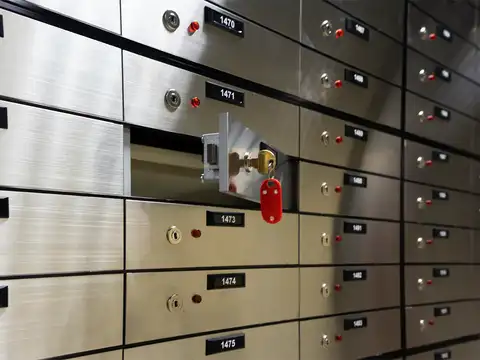
Choosing the right bank
Most banking institutions provide lockers, although their availability can differ. It is recommended to select a bank situated near your home, known for providing excellent service, and where you already hold an account.
3/8
Eligibility
Most banks require customers to open a savings or current account first. Additionally, they need to provide identification and address proof, such as a PAN or Aadhaar card, along with a recent passport-sized photograph.
Amazon Top Deals
POWERED BY

4/8
Locker agreement
The bank offers a document detailing the terms and conditions for using a locker. Both parties must sign this legally binding agreement.
5/8
Locker allotment
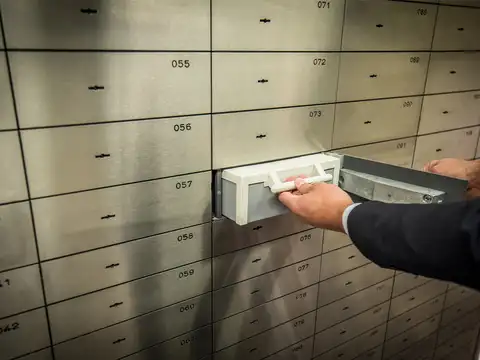
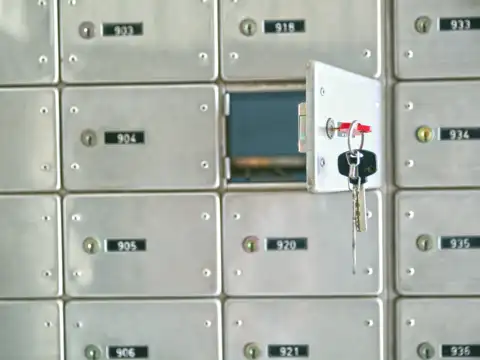
Lockers are available in different sizes. Allocation depends on availability and there may be a waiting period in certain instances. Upon allocation, the customer is provided with a distinct key, while the bank retains a master key.
6/8
Security deposit
Banks usually require a security deposit that can be refunded, either in the form of a fixed deposit or cash.
7/8
Costs
The cost of renting a locker is determined by the branch's location and the locker's size. Additional fees may apply if the locker is visited more frequently than allowed.
8/8
Points to note
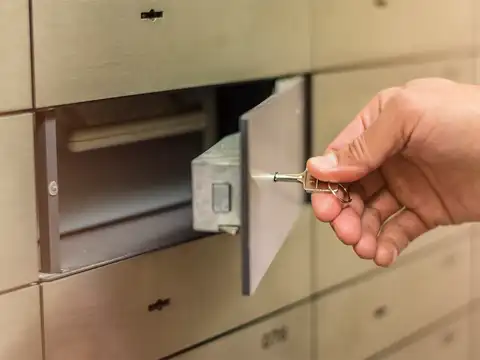
Although bank lockers are generally considered safe, they are not completely risk-free. The majority of banks explicitly state that they are not responsible for the lockers' contents. As a result, it is advisable to obtain insurance for valuable items. Also, designate a family member who can enter the locker in the event of the account holder's passing.