
Paid over Rs 2 lakh in cash? You could face Income Tax trouble; check rules for gold, property and other transactions limits
1/8
Cash payments in India: When using cash can land you in tax trouble
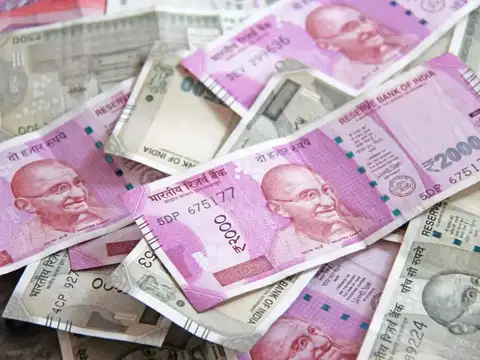
Cash is commonly used for small daily purchases like groceries, meals, or transport. These routine payments usually do not attract attention from tax authorities. However, large cash transactions can trigger scrutiny from the Income Tax Department. From buying gold and cars to property deals or personal loans, certain limits apply. Knowing these rules helps you avoid penalties and unnecessary tax investigations.

2/8
Property deals: Strict limits on cash payments
When buying or selling property, large cash payments are not permitted. Any cash transaction of Rs 2 lakh or more in such deals can attract heavy penalties under tax laws. Experts recommend completing property transactions through banking channels such as bank transfers, cheques, or digital payments to ensure transparency and compliance with tax regulations.
3/8
High-value property transactions are reported to tax authorities
Property transactions worth Rs 30 lakh or more are automatically reported to the Income Tax Department by property registrars. The value considered could be either the actual transaction price or the stamp duty value. Authorities compare these records with the tax returns of both buyer and seller to confirm whether the source of funds has been properly disclosed.
Amazon Top Deals
POWERED BY

Crompton Ozone 75 Litres Desert Air Cooler for home | Large & Easy Clean Ice Chamber | 4-Way Air Deflection | High Density Honeycomb Pads | Everlast Pump | Auto Fill| 3 Year Brand Warranty
₹9,798Buy Now43%
OFF

LG 32 L Convection Microwave Oven (MC3286BRUM, Black, 360° Motorised Rotisserie for Bar-be-queing, 301 Auto Cook Menu, Stainless steel cavity, Indian Cuisine, Tandoor Se, Steam Clean & Diet Fry)
₹19,340Buy Now19%
OFF

4/8
Cash for daily spending: No specific limit
Cash payments for everyday expenses such as groceries, food, clothes, local travel, or small shopping are generally allowed. These are considered routine household expenses and there is no fixed cash limit for such transactions. Since the amounts are usually small and frequent, they normally do not attract scrutiny from tax authorities.

5/8
Buying gold, cars or electronics? Cash rule you must know
For high-value purchases such as gold, cars, jewellery, or electronics, paying Rs 2 lakh or more in cash to a single person in one day is not allowed. Even if the bill is split into smaller parts, the rule still applies. Payments above this limit must be made through banking methods like UPI, card, cheque, or bank transfer.

6/8
Personal loans: Cash transactions above Rs 20,000 not allowed
Rules are even stricter when it comes to lending or borrowing money. If the loan amount is Rs 20,000 or more, it cannot be given or accepted in cash. The same rule also applies to repayment. Such transactions must be completed through banking channels to ensure proper records and avoid penalties under income tax rules.

7/8
How the Income Tax Department tracks transactions
Financial institutions such as banks, brokers, mutual funds, and property registrars submit Specified Financial Transactions (SFT) reports to the Income Tax Department. These reports are linked to your PAN, allowing authorities to track high-value transactions digitally. This system helps the department identify unusual or unexplained financial activity.
8/8
Check your AIS to avoid tax notices
Tax experts advise taxpayers to regularly review their Annual Information Statement (AIS) on the Income Tax portal. This statement lists financial activities such as interest income, investments, and property transactions reported against your PAN. Before filing your Income Tax Return (ITR), ensure the information matches your records and avoid unexplained transfers through personal bank accounts.