
ITR filing: Don't let one small mistake cost you your tax refund; check these 12 points

1/12
15 ITR mistakes that could cost you big in AY 2026-27
Filing your Income Tax Return sounds simple, until a small slip turns into a notice, a delayed refund, or an unexpected tax bill. Here's exactly what to double-check before you hit submit this year.

2/12
The AI is watching
The Income Tax Department isn't relying on manual checks anymore. It now uses AI and advanced data analytics to match every single deduction you claim against the source information it already has on file. Claim something under the wrong section, enter an ineligible deduction in a different field, or claim a benefit without proper documentation, and you could land a notice asking you to prove it. If you can't, penalties follow.

3/12
Wrong form, wrong trouble
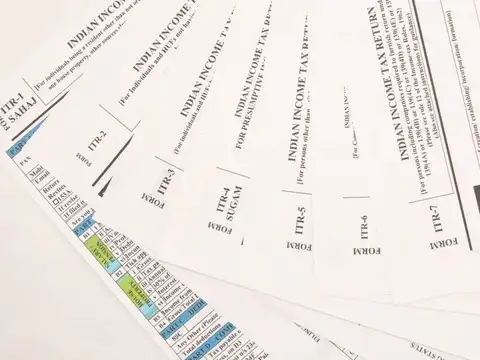
Not everyone files the same ITR form, and picking the wrong one can derail your entire filing. For example, ITR-1 is meant for salaried individuals earning under Rs. 50 lakh with no capital gains, while ITR-3 applies if you have business or professional income. File the wrong one, and the department can issue a defect notice, forcing you to refile and delaying everything. Using a platform that auto-selects the correct form for you removes this risk entirely.
Amazon Top Deals
POWERED BY

Crompton Ozone 75 Litres Desert Air Cooler for home | Large & Easy Clean Ice Chamber | 4-Way Air Deflection | High Density Honeycomb Pads | Everlast Pump | Auto Fill| 3 Year Brand Warranty
₹9,798Buy Now43%
OFF

LG 32 L Convection Microwave Oven (MC3286BRUM, Black, 360° Motorised Rotisserie for Bar-be-queing, 301 Auto Cook Menu, Stainless steel cavity, Indian Cuisine, Tandoor Se, Steam Clean & Diet Fry)
₹19,090Buy Now20%
OFF

4/12
Get the year right
It sounds minor, but it isn't: for income earned in FY 2025-26, the correct Assessment Year to quote is AY 2026-27. Get this wrong, and you risk your income being taxed twice or facing unnecessary penalties for a filing error that was entirely avoidable.

5/12
Details matter more than you think
Your name, address, email, phone number, PAN, and date of birth all need to match exactly what's on your PAN card. But the detail that trips up the most people is bank information, if your account number or IFSC code is even slightly wrong, the system will flag a bank account error, and your refund will be stuck in limbo until it's fixed.

6/12
Don't hide your side income
Many taxpayers only report their primary salary or business income and forget everything else, savings account interest, fixed deposit interest, capital gains, rental income, short-term gains. Here's the catch: even income that's exempt from tax still has to be disclosed. For instance, long-term capital gains on equity are exempt up to Rs. 1.25 lakh, but you're still required to report the full gain in the capital gains schedule.
7/12
Format fails are real
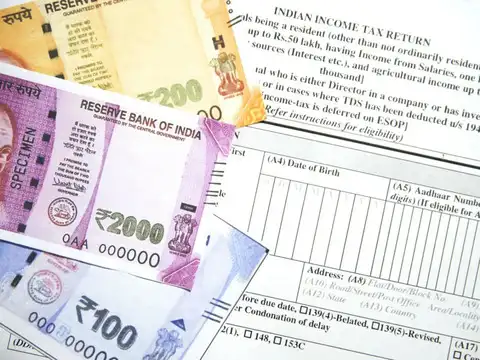
ITR forms are strict about formatting, and dates are the most common trip-up. Every date must be entered as DD/MM/YYYY, no exceptions. Enter it any other way, and your return can be rejected or flagged as incorrect, even if every number is technically right.
8/12
Check Form 26AS before you file
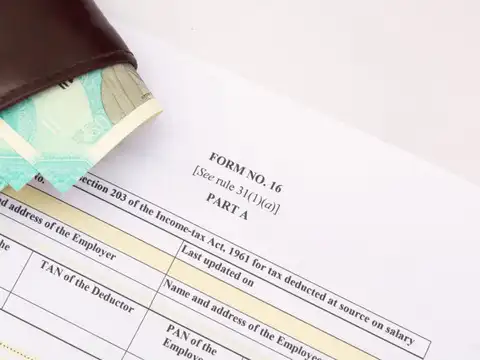
Form 26AS shows your TDS, TCS, high-value investments, and advance or self-assessment tax already paid. If you're salaried, cross-check it against your Form 16 from your employer. Here's the risk: if your employer's TDS isn't reflected in Form 26AS, you simply won't get credit for it, meaning you could end up paying tax you already paid, or receiving a smaller refund than you're owed.

9/12
AIS & TIS are non-negotiable
AIS (Annual Information Statement) goes further than Form 26AS, it covers GST turnover, securities transactions, foreign remittances, and more. TIS (Taxpayer Information Summary) shows both the "reported value" from banks and other entities, and the "derived value" after your feedback is factored in. This derived value gets pre-filled into your ITR, so it's critical to verify it actually reflects your real income and investments before you file.
10/12
Switched jobs? Combine your Form 16s
Changed employers during the year? You'll have a Form 16 from each one, and many taxpayers get confused about how to handle this. The rule is simple: add up the salary income from all your Form 16s and report the combined total under income from salary, don't file based on just one.

11/12
Don't leave money on the table
Two deductions people frequently miss out on: HRA and general eligible deductions. If you didn't submit rent receipts to your employer, you may have missed out on HRA through your payroll, but you can still calculate and claim it directly while filing, provided you have your landlord's PAN. Beyond that, there's a wide range of deductions on expenses and donations that taxpayers routinely underclaim simply because figuring out eligibility is confusing.

12/12
The job isn't done till you e-verify
Filing your return is only half the process. You must e-verify it within 30 days, through net banking, Aadhaar, or an EVC code sent to your mobile or email. Can't e-verify online? You can still sign and post your ITR-V to the CPC by ordinary or speed post, but it must reach them within that same 30-day window. Miss it, and your return is treated as if it was never filed at all.