
Inherited gold jewellery: Keep it, sell it or exchange it? 5 things to check first
1/9
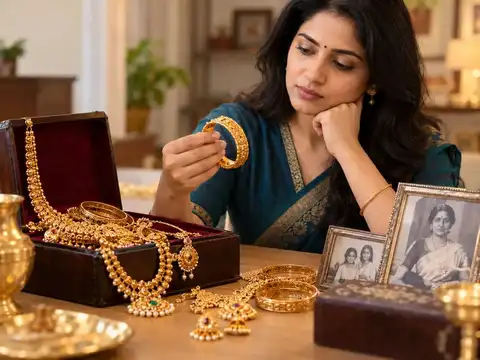
Your family gold could be worth lakhs. Should you sell it?
A pair of old bangles, a wedding necklace or a box of jewellery passed down through generations can be worth a considerable amount today. But deciding what to do with inherited gold is not just about checking the latest gold price.
You may want to preserve a family heirloom, turn unused jewellery into cash or exchange an old design for something you will actually wear. Each choice has financial and emotional consequences.
Before making a decision, find out what your jewellery is worth, what you would receive for it and whether selling it makes sense for your circumstances.
2/9
First, find out how much your gold is actually worth
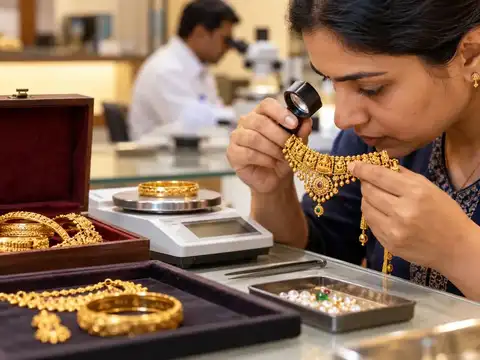
Do not estimate the value of inherited jewellery simply by weighing it at home. Its value depends on the gold content, purity and net weight, excluding stones and other non-gold components.
Check any hallmark details and old purchase bills you may have. If the jewellery is unhallmarked or its purity is uncertain, consider getting it tested at a BIS-recognised Assaying and Hallmarking Centre. You can also verify the HUID on hallmarked pieces through the BIS Care app.
Remember, an old piece of jewellery is not automatically 22-karat gold. A reliable purity assessment is the first step towards a fair valuation.
3/9
When keeping inherited jewellery is the smarter choice
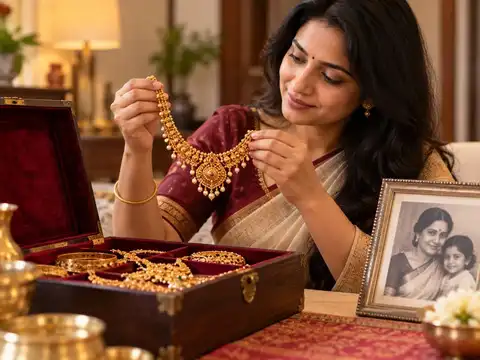
Not every valuable asset needs to be sold. If a necklace belonged to your mother or a set of bangles has been passed down through generations, its sentimental value may far exceed what a jeweller offers.
Keeping it can make sense when you have no immediate need for the money, expect to pass it on to your children or genuinely enjoy wearing it.
However, jewellery sitting unused in a locker does not generate income, and its market value can fluctuate with gold prices. Store valuable pieces securely and keep a record of what you own.
If the jewellery is irreplaceable to you, do not let a rising gold price alone dictate your decision.
4/9
Selling inherited gold? Focus on the final payout
Selling may be worth considering if you need money for an important expense, want to reduce unused valuables or have a more pressing financial priority.
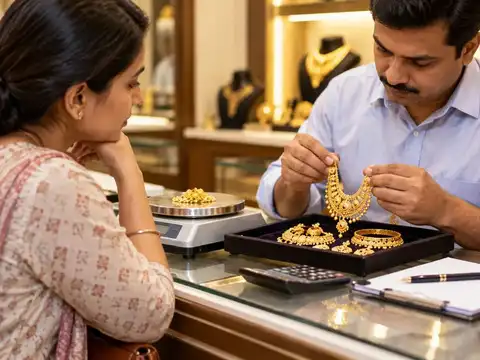
But the advertised gold rate is not necessarily the amount you will receive. A buyer may assess purity, calculate the net gold weight and apply deductions under the transaction's terms. Stones and other non-gold components may not be included in the gold valuation.
Get written quotations from at least two or three reputable jewellers. Ask for the purity, net weight, rate per gram, deductions and final amount payable.
Do not assume that the jeweller who advertises the highest rate will give you the best deal. Compare the amount you will actually receive, not just the headline price.

5/9
Exchanging old gold for new jewellery? Check the hidden costs
An exchange can be convenient if you want a new design without paying the entire gold cost upfront. The jeweller assesses your old jewellery and credits its eligible value towards the new purchase.
However, that credit may not cover the full bill. Making charges, applicable GST and the difference in gold value can add to your out-of-pocket expense.
Ask for a written breakdown showing the value credited for the old gold, the weight and purity of the new jewellery, making charges, taxes and any other deductions.
Compare the exchange with selling the old gold separately and buying the new piece independently.
An exchange makes sense when the convenience and final cost suit you—not simply because the jeweller offers an attractive exchange rate.
6/9
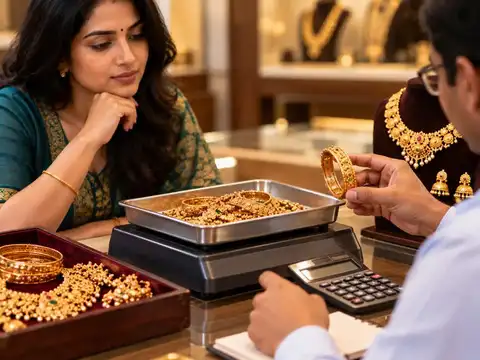
What could 20 grams of inherited gold be worth?
Consider a simple illustration. Suppose a jeweller assesses your jewellery as containing 20 grams of gold, and the applicable rate for its purity is ₹10,000 per gram.
The indicative metal value would be:
20 grams × ₹10,000 = ₹2,00,000
But ₹2 lakh is the illustrative gold value before any applicable deductions or adjustments. It is not a guaranteed cash offer or exchange credit.
The actual amount can differ depending on the verified purity, net gold weight, buyer's rate and transaction terms.
When comparing offers, ask each jeweller to show the calculation. That makes it easier to spot differences and understand whether an exchange is genuinely worthwhile.
Illustration only. The rate is assumed and does not represent the current market price.

7/9
Will you have to pay tax when you sell inherited gold?
Receiving gold through inheritance is generally not taxable as income in the recipient's hands. However, selling that gold later can trigger capital gains tax.
The calculation is not necessarily based on the gold's value when you inherited it. Under the applicable capital gains rules, the previous owner's acquisition cost and holding period generally matter. Special rules can apply when the original purchase records are unavailable or the jewellery was acquired many decades ago.
Keep old purchase bills, inheritance documents and valuation records wherever available. If the jewellery is valuable, its acquisition history is unclear or several family members own it jointly, consult a chartered accountant before selling.
Do not assume that inherited gold is automatically tax-free when you sell it. The tax treatment depends on the applicable law and the facts of your case.
8/9
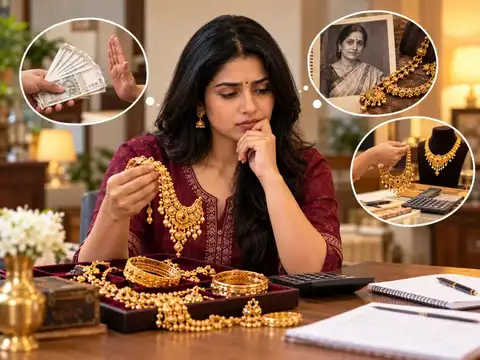
Three costly mistakes to avoid before parting with family gold
Mistake 1: Accepting the first offer. A quick sale may be convenient, but comparing written quotations can help you understand whether the price is fair.
Mistake 2: Ignoring the jewellery's history. Sentimental value, antique craftsmanship and family ownership can make a piece difficult or impossible to replace, even if the buyer mainly values its gold content.
Mistake 3: Exchanging without comparing the full bill. A high exchange credit may be offset by making charges, taxes and other costs on the replacement jewellery.
Before completing a transaction, confirm ownership, understand the valuation and keep the receipt. If you are unsure, take time to compare the alternatives.
9/9
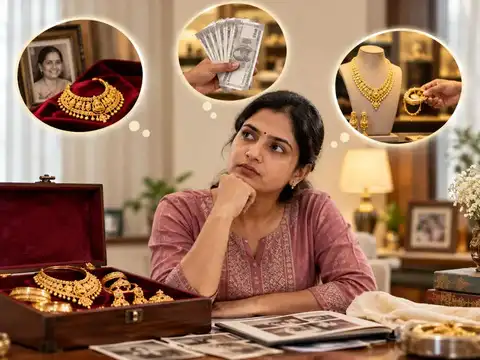
Keep, sell or exchange? Let your priorities decide
There is no single right answer for every family.
*Keep it if the jewellery has deep sentimental value, you intend to pass it on or you do not need the money.
*Sell it if you have a clear financial need and the proceeds would be more useful than holding the jewellery.
*Exchange it if you genuinely want a new design and the total cost compares favourably with the alternatives.
Before deciding, ask yourself one final question: if you sell or exchange this piece today, will you be comfortable with that decision years from now?
Inherited gold is both a financial asset and, often, a piece of family history. The best decision is the one that respects both its value and your needs.