
Fraudulent LIC app alert: LIC issues warning for policyholders and customers
1/6
LIC of India warns customers
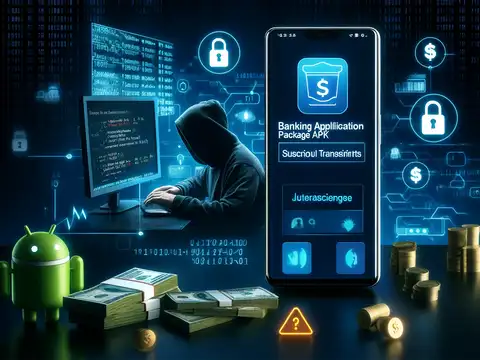
LIC of India has issued a warning about fraudulent media applications falsely using its name to deceive customers. The insurer advised policyholders and customers to conduct transactions only through its official website.

2/6
Which are the official LIC platforms
The insurer has urged users to conduct transactions only through its official website (www.licindia.in), LIC Digital App, or other verified gateways mentioned on LIC website.
3/6
LIC not responsible for unauthorized payments
LIC emphasizes that it will not be responsible for any payments made through unauthorized digital platforms.
Amazon Top Deals
POWERED BY

4/6
LIC Post on social media
LIC of India from its official social media account on X, posted, “It has come to our attention that fraudulent media applications are being circulated under the name of LIC of India. We hereby urge all policyholders and customers to conduct transactions via official channels LIC of India website (www. licindia.com) or the LIC Digital App and other approved/ valid/verified gateways available in our website. Kindly be advised that LIC of India shall not be held responsible for payments made via any alternative digital platforms.”
5/6
LIC’s official channels
Via these channels customers can inquire about their policies and receive explanation.
Customers could contact LIC by phone at (022) 6827 6827
Visit online at www.licidia.in
The official social media account LICIndiaForever on Twitter, Facebook, Instagram, and YouTube,
Visit any designated LIC agent or branch.
Customers could contact LIC by phone at (022) 6827 6827
Visit online at www.licidia.in
The official social media account LICIndiaForever on Twitter, Facebook, Instagram, and YouTube,
Visit any designated LIC agent or branch.
6/6
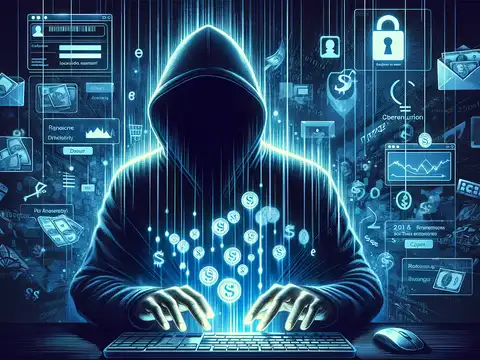
Fake payment portals
Fraudulent websites or apps designed to mimic legitimate banking, insurance, or e-commerce platforms to steal money or personal information. Cybercriminals create these fake portals to trick users into entering sensitive details such as banking credentials, credit/debit card numbers, or OTPs, leading to financial loss and identity theft.