
Buying a Plot? These legal checks can save you from years of court trouble

1/7
Why buying land carries higher legal risk
Purchasing a plot may seem easier than buying a house, but it carries more legal risks. Industry data shows that more than 60% of property disputes arise from loopholes in land titles and documentation. This makes thorough due diligence critical for buyers looking to avoid ownership disputes and future legal complications, says Atul Monga, CEO& Co-Founder, BASIC Home Loan.
2/7
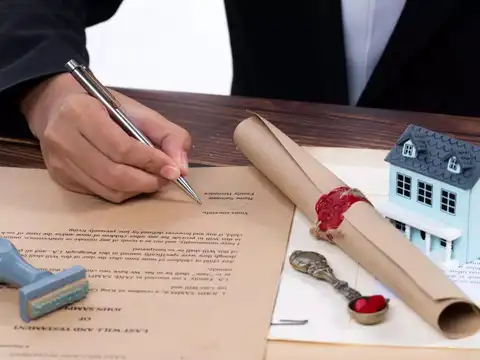
Verify title deed and ownership history
Monga pointed out that the first step in the process is verifying the title deed or sale deed, which confirms the seller’s legal ownership and right to sell the property. Buyers must examine the complete chain of title, including past ownership records, to ensure there are no disputes, breaks, or overlapping claims on the land.

3/7
Check land revenue records carefully
Buyers should examine land revenue records such as the Record of Rights (RoR), RTC, or 7/12 extract. These documents confirm ownership, land classification, and usage history. Any mismatch between the title deed and revenue records must be treated as a serious red flag.
Amazon Top Deals
POWERED BY

Crompton Ozone 75 Litres Desert Air Cooler for home | Large & Easy Clean Ice Chamber | 4-Way Air Deflection | High Density Honeycomb Pads | Everlast Pump | Auto Fill| 3 Year Brand Warranty
₹9,798Buy Now43%
OFF

LG 32 L Convection Microwave Oven (MC3286BRUM, Black, 360° Motorised Rotisserie for Bar-be-queing, 301 Auto Cook Menu, Stainless steel cavity, Indian Cuisine, Tandoor Se, Steam Clean & Diet Fry)
₹18,490Buy Now23%
OFF

4/7
Ensure land-use approval and NA status
If the plot is being sold for residential use, buyers must ensure it has a valid non-agricultural (NA) certificate. They should also verify the plot’s land-use classification under the applicable Master Plan or Development Plan issued by the local planning authority.
5/7
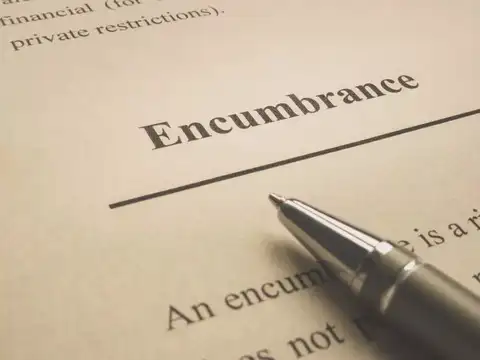
Encumbrance certificate is non-negotiable
An updated encumbrance certificate covering at least the past 15–20 years is essential to rule out pending litigation, loans, mortgages, or prior claims. Buyers should insist on a “Nil Encumbrance” certificate before proceeding with the purchase.

6/7
Home loan buyers need extra caution
Buyers planning to fund the plot purchase through a home loan should note that lenders usually finance only approved residential plots with clear titles and approved layouts. This makes document verification even more important.

7/7
Other key documents to verify
Additional documents include mutation, patta, or khata records, which reflect the current owner’s name in government records and confirm tax history.
Buyers should also check approved layout plans, required No Objection Certificates (NOCs), and property tax receipts to reduce future legal and regulatory risks, says Amit Prakash Singh, CBO and Co-founder, Urban Money.
Buyers should also check approved layout plans, required No Objection Certificates (NOCs), and property tax receipts to reduce future legal and regulatory risks, says Amit Prakash Singh, CBO and Co-founder, Urban Money.
READ MORE:
Documents required for land purchase |Buying residential plot in india |Buying residential plot in india legal checklist |Things to check before buying a plot in India |Documents to check before buying a plot |How to buy a plot of land in India |Legal documents required for purchase of property |documents for buying land |Land documents list