
7 easy money-saving strategies every small business owner should know
1/7
Save more, grow faster
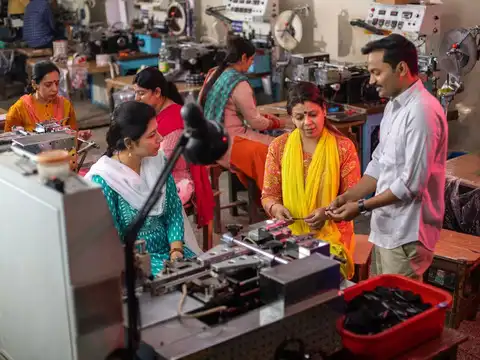
Managing a small business can be challenging, but saving money is possible with the right approach. By planning carefully and using practical strategies, costs can be reduced without hurting growth. Every rupee saved can be redirected to strengthen operations and expand the business. Smart cost-cutting ensures stability while building for the future.

2/7
Start with a clear plan: Budget & financial plan
Small businesses should create a strict budget to keep a check on daily spending. Planning ahead with a clear financial roadmap helps prepare for future expenses. Regularly reviewing accounts ensures that money is being used wisely. These simple steps can prevent overspending and keep the business financially healthy.

3/7
Cut recurring costs
Many small businesses lose money on unused or duplicate subscriptions. Regularly auditing services helps identify what is truly needed. Overlapping tools can be canceled or combined to cut costs. Businesses can also negotiate better deals with vendors to save more.
Amazon Top Deals
POWERED BY

Crompton Ozone 75 Litres Desert Air Cooler for home | Large & Easy Clean Ice Chamber | 4-Way Air Deflection | High Density Honeycomb Pads | Everlast Pump | Auto Fill| 3 Year Brand Warranty
₹9,798Buy Now43%
OFF

LG 32 L Convection Microwave Oven (MC3286BRUM, Black, 360° Motorised Rotisserie for Bar-be-queing, 301 Auto Cook Menu, Stainless steel cavity, Indian Cuisine, Tandoor Se, Steam Clean & Diet Fry)
₹18,790Buy Now22%
OFF

4/7
Work smarter, not harder: Use technology & free tools
Small businesses can save time and money by automating tasks like accounting, marketing, and inventory. Free or low-cost tools such as Canva, chatbots, and scheduling apps make work easier. It is always wise to test software before spending on costly solutions. Smart use of technology reduces expenses and improves efficiency.

5/7
Reduce overhead & staffing costs
Business owners can cut major costs by spending less on office space and staff. Using home offices, co-working spaces, or remote setups is an affordable choice. Specific tasks can be handled by freelancers or virtual assistants instead of full-time hires. Buying used equipment instead of new also reduces unnecessary expenses.

6/7
Cost-effective marketing & sales
Small businesses can promote their brand without spending a fortune. Social media platforms and free marketing tools are powerful ways to reach customers. Building a strong network also helps in getting referrals at no extra cost. Streamlining shipping and delivery further cuts down on fulfillment expenses.

7/7
Taxes, maintenance & networking
For lasting success, small businesses should focus on long-term savings. Working with a tax professional helps maximize deductions and reduce liabilities. Tracking personal investments and maintaining equipment prevents bigger costs later. Networking with other businesses to share resources or barter is another smart way to save.