
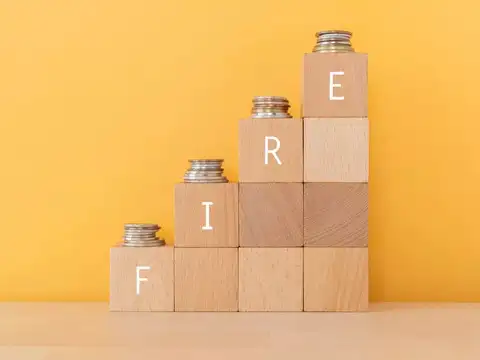
FIRE at every age: A decade-by-decade guide to early retirement in India
1/6
In your 20s
Your 20s offer the best opportunity to pursue financial independence. With fewer responsibilities and more time on your side, aim to save and invest at least 40–50% of your income. Focus on equity mutual funds, stay frugal, and let compounding work in your favour.

2/6
In your 30s
As your income rises, your expenses will too, often due to marriage, children, or home loans. Stay disciplined. Channel salary hikes into SIPs instead of lifestyle upgrades. Automate your investments and maintain an aggressive asset allocation, especially towards equities.

3/6
In your 40s
This is the make-or-break decade for FIRE. Revisit your FIRE number and make course corrections. Prioritise clearing high-interest debt, optimise tax-saving instruments, and gradually begin de-risking your portfolio with a debt-equity balance that matches your timeline.
Amazon Top Deals
POWERED BY

4/6
In your 50s
If you've built enough, you may not need to save aggressively anymore, just let your investments grow. If you're behind, consider working part-time while controlling expenses. Focus on preservation of wealth, not aggressive accumulation.
5/6
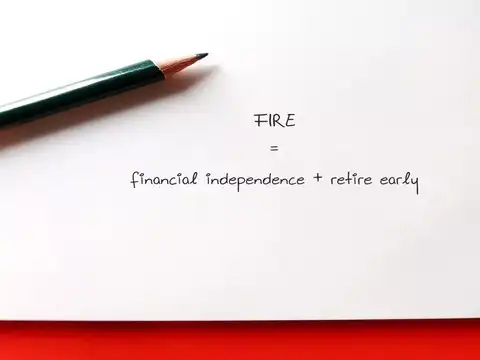
Know your FIRE number
The standard formula: Annual expenses × 25. For example, if you plan to spend Rs 10 lakh annually after retirement, your FIRE corpus should be around Rs 2.5 crore. Factor in inflation, rising healthcare costs, and your desired lifestyle.

6/6
Key habits that make FIRE possible
Track your expenses. Increase savings with every salary hike. Avoid unnecessary EMIs. Invest consistently. FIRE isn’t about extreme frugality, it's about long-term financial discipline and valuing freedom over consumption.