
Best car for city driving in India: Petrol, hybrid, EV or automatic? 8 things to consider
1/8
Best car for city driving: What should you choose?
Mumbai, Bengaluru or Hyderabad? Your daily commute matters more than car size
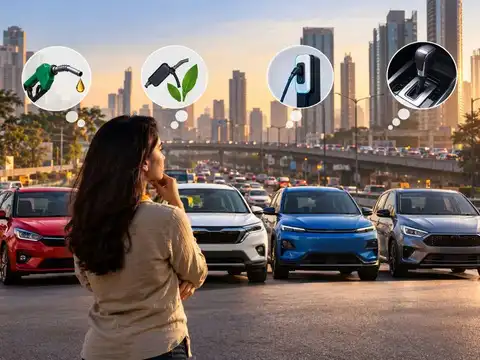
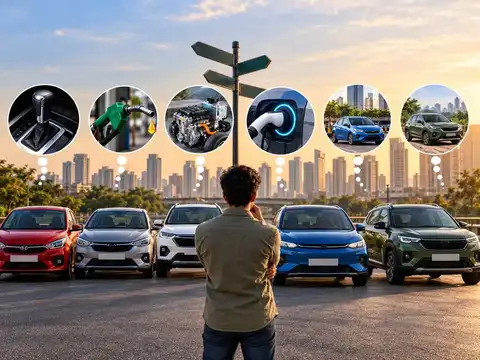
Long traffic jams, rising fuel bills and limited parking can turn a daily drive into a challenge. The right car can make city commuting more comfortable and help manage running costs.
But should you choose a petrol car, a strong hybrid, an electric vehicle (EV) or an automatic transmission?
The answer depends on how far you drive, how much time you spend in traffic, your budget and whether you have access to home charging. Here are eight things to consider before making your choice.
Long traffic jams, rising fuel bills and limited parking can turn a daily drive into a challenge. The right car can make city commuting more comfortable and help manage running costs.
But should you choose a petrol car, a strong hybrid, an electric vehicle (EV) or an automatic transmission?
The answer depends on how far you drive, how much time you spend in traffic, your budget and whether you have access to home charging. Here are eight things to consider before making your choice.
2/8
Automatic cars: Best for stop-and-go traffic
Constant braking and gear changes? An automatic can make driving easier
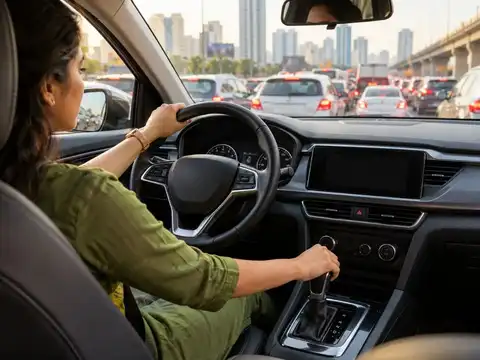
In bumper-to-bumper traffic, an automatic transmission reduces the need for repeated clutch operation and gear changes. This can make daily commuting less tiring, particularly on congested urban routes.
CVT and torque-converter automatics generally offer smooth acceleration at low speeds. AMTs are often more affordable, although their gear changes can feel less seamless.
Cars such as the Maruti Suzuki Baleno AMT and Hyundai i20 IVT are worth comparing, depending on your budget and preferred driving experience.
Watch out: An automatic transmission does not automatically mean better fuel efficiency. Compare the specific variants and test-drive them in slow-moving traffic.
In bumper-to-bumper traffic, an automatic transmission reduces the need for repeated clutch operation and gear changes. This can make daily commuting less tiring, particularly on congested urban routes.
CVT and torque-converter automatics generally offer smooth acceleration at low speeds. AMTs are often more affordable, although their gear changes can feel less seamless.
Cars such as the Maruti Suzuki Baleno AMT and Hyundai i20 IVT are worth comparing, depending on your budget and preferred driving experience.
Watch out: An automatic transmission does not automatically mean better fuel efficiency. Compare the specific variants and test-drive them in slow-moving traffic.
3/8
Petrol cars: A practical choice for everyday use
Want flexibility without depending on charging stations? Consider petrol
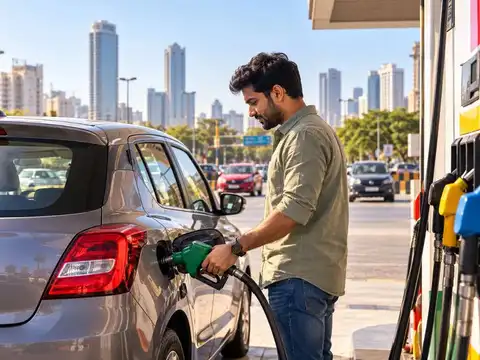
Petrol cars offer a wide choice of models and make refuelling straightforward. They can suit drivers with moderate daily commutes, occasional highway trips and limited access to charging infrastructure.
Compact models such as the Maruti Suzuki Swift and Baleno are worth considering if easy manoeuvrability and parking convenience matter.
However, frequent idling and stop-start driving can reduce real-world fuel efficiency. Compare the actual running costs, insurance, servicing expenses and purchase price before deciding.
Best for: Buyers seeking flexibility and a familiar ownership experience without relying on charging infrastructure.
Petrol cars offer a wide choice of models and make refuelling straightforward. They can suit drivers with moderate daily commutes, occasional highway trips and limited access to charging infrastructure.
Compact models such as the Maruti Suzuki Swift and Baleno are worth considering if easy manoeuvrability and parking convenience matter.
However, frequent idling and stop-start driving can reduce real-world fuel efficiency. Compare the actual running costs, insurance, servicing expenses and purchase price before deciding.
Best for: Buyers seeking flexibility and a familiar ownership experience without relying on charging infrastructure.
4/8
Strong hybrids: Worth considering for heavy commuters
Drive long distances in traffic? A strong hybrid could help save fuel
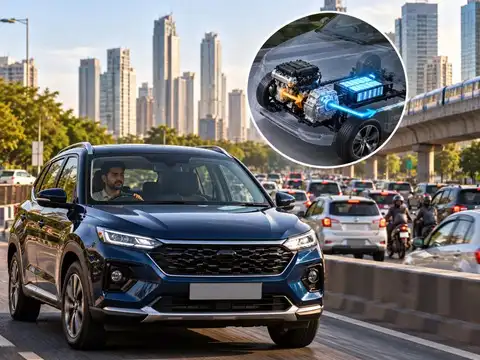
Strong hybrids combine a petrol engine with an electric motor and battery. They can use electric power at low speeds and recover energy during braking, improving efficiency in suitable driving conditions.
The Maruti Suzuki Grand Vitara Strong Hybrid and Toyota Urban Cruiser Hyryder Strong Hybrid are two options to compare.
The main trade-off is the higher upfront price of many strong-hybrid variants. Whether the fuel savings justify the premium depends on your daily distance, fuel prices and how long you plan to keep the car.
Best for: Frequent commuters who want better fuel efficiency without depending on external charging.
Strong hybrids combine a petrol engine with an electric motor and battery. They can use electric power at low speeds and recover energy during braking, improving efficiency in suitable driving conditions.
The Maruti Suzuki Grand Vitara Strong Hybrid and Toyota Urban Cruiser Hyryder Strong Hybrid are two options to compare.
The main trade-off is the higher upfront price of many strong-hybrid variants. Whether the fuel savings justify the premium depends on your daily distance, fuel prices and how long you plan to keep the car.
Best for: Frequent commuters who want better fuel efficiency without depending on external charging.
5/8
Electric cars: Can an EV lower your commuting costs?
Have home charging and a predictable commute? An EV deserves a closer look
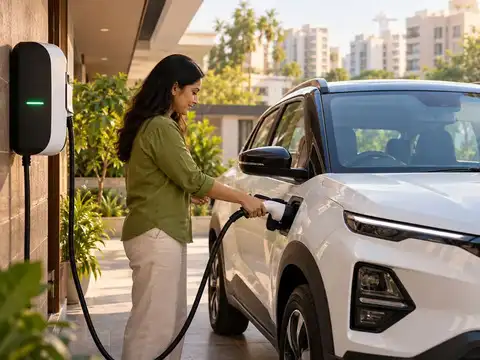
Electric cars offer quiet operation, instant torque and zero tailpipe emissions. Charging at home can also make daily energy costs attractive compared with petrol, depending on electricity tariffs and driving patterns.
Models such as the Tata Nexon EV are worth evaluating if you need a family-friendly electric SUV. Buyers looking for a smaller urban EV can also compare options such as the MG Comet EV.
Before buying, check charging access, battery warranty, real-world range, insurance and the availability of chargers along your regular routes.
Best for: Urban drivers with convenient charging access and predictable daily travel.
Electric cars offer quiet operation, instant torque and zero tailpipe emissions. Charging at home can also make daily energy costs attractive compared with petrol, depending on electricity tariffs and driving patterns.
Models such as the Tata Nexon EV are worth evaluating if you need a family-friendly electric SUV. Buyers looking for a smaller urban EV can also compare options such as the MG Comet EV.
Before buying, check charging access, battery warranty, real-world range, insurance and the availability of chargers along your regular routes.
Best for: Urban drivers with convenient charging access and predictable daily travel.
6/8
Hatchback or compact SUV: Which suits city roads better?
Struggling with tight parking? A bigger car may not be the answer
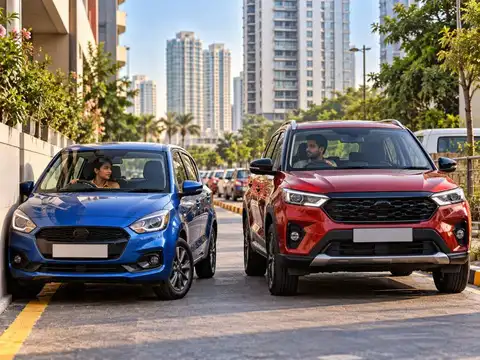
Compact hatchbacks are generally easier to manoeuvre through narrow streets and fit into smaller parking spaces. They may also cost less to buy than larger vehicles.
Compact SUVs can offer a higher seating position, more cabin space and greater ground clearance, depending on the model. These advantages may matter when driving over uneven roads or carrying family and luggage.
However, SUV styling alone should not determine your choice. Check the vehicle's dimensions, turning radius, visibility and parking sensors before buying.
Best for: Hatchbacks for easier urban manoeuvring; compact SUVs for buyers who prioritise space and suitable ground clearance.
Compact hatchbacks are generally easier to manoeuvre through narrow streets and fit into smaller parking spaces. They may also cost less to buy than larger vehicles.
Compact SUVs can offer a higher seating position, more cabin space and greater ground clearance, depending on the model. These advantages may matter when driving over uneven roads or carrying family and luggage.
However, SUV styling alone should not determine your choice. Check the vehicle's dimensions, turning radius, visibility and parking sensors before buying.
Best for: Hatchbacks for easier urban manoeuvring; compact SUVs for buyers who prioritise space and suitable ground clearance.
7/8
Mumbai vs Bengaluru vs Hyderabad: What should you prioritise?
The best car for your city depends on your daily route
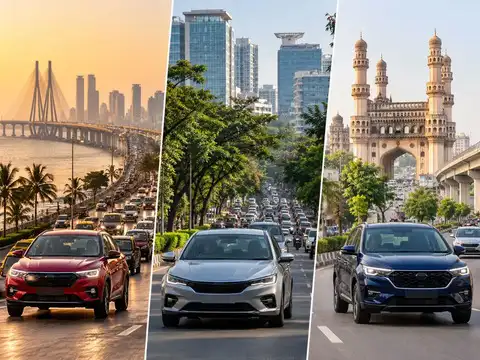
Mumbai: Prioritise compact dimensions, easy parking and a comfortable automatic if your commute involves frequent stop-start traffic. If your usual route is prone to waterlogging, remember that no ordinary passenger car should be driven through unsafe floodwater.
Bengaluru: Focus on low-speed comfort, seating ergonomics and real-world fuel efficiency. A smooth automatic, strong hybrid or EV may suit you, depending on your commute and charging arrangements.
Hyderabad: Consider fuel efficiency, cabin comfort and ground clearance suited to your regular roads. If you cover longer distances daily, compare the total running costs of petrol and strong-hybrid options.
In all three cities, your parking arrangements, daily kilometres and budget matter more than the city name alone.
Mumbai: Prioritise compact dimensions, easy parking and a comfortable automatic if your commute involves frequent stop-start traffic. If your usual route is prone to waterlogging, remember that no ordinary passenger car should be driven through unsafe floodwater.
Bengaluru: Focus on low-speed comfort, seating ergonomics and real-world fuel efficiency. A smooth automatic, strong hybrid or EV may suit you, depending on your commute and charging arrangements.
Hyderabad: Consider fuel efficiency, cabin comfort and ground clearance suited to your regular roads. If you cover longer distances daily, compare the total running costs of petrol and strong-hybrid options.
In all three cities, your parking arrangements, daily kilometres and budget matter more than the city name alone.
8/8
Final verdict: Which car type should you choose?
Match your car to your commute, not just your budget
*Choose an automatic if clutch operation and constant gear changes make traffic tiring.
*Choose petrol if you want flexibility, straightforward refuelling and a wide choice of models.
*Choose a strong hybrid if you drive substantial distances and want better fuel efficiency without external charging.
*Choose an EV if you can charge conveniently and your driving needs fit the vehicle's real-world range.
*Choose a compact hatchback if easy parking and manoeuvrability are your top priorities.
*Choose a compact SUV if you need extra cabin space or model-appropriate ground clearance.
The bottom line: There is no single best car for every Indian city commuter. Compare the purchase price, fuel or electricity costs, maintenance, insurance and resale value. Then take a test drive on roads similar to your daily route before making a decision.
*Choose an automatic if clutch operation and constant gear changes make traffic tiring.
*Choose petrol if you want flexibility, straightforward refuelling and a wide choice of models.
*Choose a strong hybrid if you drive substantial distances and want better fuel efficiency without external charging.
*Choose an EV if you can charge conveniently and your driving needs fit the vehicle's real-world range.
*Choose a compact hatchback if easy parking and manoeuvrability are your top priorities.
*Choose a compact SUV if you need extra cabin space or model-appropriate ground clearance.
The bottom line: There is no single best car for every Indian city commuter. Compare the purchase price, fuel or electricity costs, maintenance, insurance and resale value. Then take a test drive on roads similar to your daily route before making a decision.