Samvat 2075 was a year of DIIs: SIP flows helped cushion FII outflow hit
FIIs have bought stocks worth Rs 13,000 crore against DIIs’ Rs 64,000 crore.
By Shubham Raj, ETMarkets.com |

Getty Images
A continuous flow of money from retail investors into domestic mutual funds through systematic investment plans (SIPs) helped domestic institutional investors (DIIs) cushion a bigger fall in domestic equity in Samvat 2075.
In last one year since last Diwali, DIIs poured in a net Rs 53,000 crore into the domestic stock. They were net sellers in just three of last 12 months.
Foreign institutional investors (FIIs) invested a net of Rs 69,000 crore in the 12-month period, but they put in most of it before March. In this financial year, FIIs have bought stocks worth Rs 13,000 crore against DIIs’ Rs 64,000 crore.
“Domestic investors buy stocks when they get flows. What would a mutual fund guy do if he gets inflows? He has to buy, he can’t sit on it. But what I have seen is that DIIs have been using a counter-cyclical approach. After March FIIs kept selling consistently but all the selling was absorbed by the DIIs,” said Amit Jeswani of Founder & CIO at Stallion Asset.
DII activity was most prominent in July and August, when they invested a net of Rs 41,000 crore. This was the time FIIs were on a selling spree as the government proposed an enhanced income-tax surcharge on capital gains. FIIs withdrew a net of Rs 30,000 crore in these two months.
Since last Diwali, asset under management of equity mutual funds surged from Rs 6.59 lakh crore to Rs 7.24 lakh crore, a growth of nearly 10 per cent, AMFI data showed.
SIP inflows have been the backbone of the mutual fund industry lately, and market experts recognise the importance of this steady flow of funds. “A positive sign is that inflows through SIPs continued on a strong footing. Despite near-term volatility, the long-term potential of Indian economy remains intact. We continue to be constructive on equities and, hence, we see value in increasing allocation to equities in a staggered manner to even out market volatility,” said Nimesh Chandan, Head of Equity Investment at Canara Robeco AMC.
In September, SIP inflows stood at Rs 8,262.94 crore, up from Rs 8,231 crore in August, latest AMFI data showed. Equity funds, however, received a net of Rs 6,609 crore, which was down 28 per cent month-on-month at a four-month low.

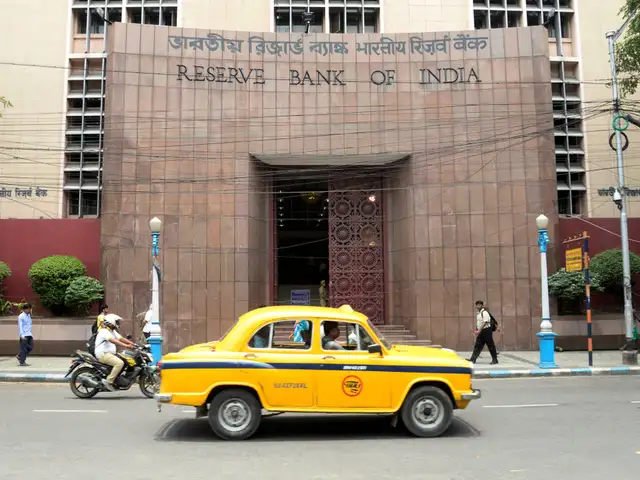
Samvat 2075 was full of drama as it saw the general election, a tussle between RBI and govt, slowing economic growth, several debt defaults, a crippling liquidity crunch and a massive corporate tax cut.
Analysts do not find the dip troubling. “It is difficult to put a specific reason to a very short-term trend. The equity market tends to be volatile and this volatility does have an impact on investor behaviour and sentiment. Net inflows to equity funds for a particular month depend on various factors,” said Chandan.
Canara Robeco sees growth in private sector banks, as NPAs have peaked. It expects industrials, domestic pharmaceuticals and consumer discretionary sectors to outperform.
Corporate governance has been an issue with many companies lately and the market has punished those stocks. Jeswani feels it is important to have high corporate ethics to succeed in the current bull run.
“I call this bull market a Swachh Bharat bull market. Companies which show good corporate governance practices, even if they go through a weak business cycle for 1-2 quarters, will do well. For example Titan is going through a tough phase, but the market is not ready to beat that stock down,” he said.

In last one year since last Diwali, DIIs poured in a net Rs 53,000 crore into the domestic stock. They were net sellers in just three of last 12 months.
Foreign institutional investors (FIIs) invested a net of Rs 69,000 crore in the 12-month period, but they put in most of it before March. In this financial year, FIIs have bought stocks worth Rs 13,000 crore against DIIs’ Rs 64,000 crore.
“Domestic investors buy stocks when they get flows. What would a mutual fund guy do if he gets inflows? He has to buy, he can’t sit on it. But what I have seen is that DIIs have been using a counter-cyclical approach. After March FIIs kept selling consistently but all the selling was absorbed by the DIIs,” said Amit Jeswani of Founder & CIO at Stallion Asset.
DII activity was most prominent in July and August, when they invested a net of Rs 41,000 crore. This was the time FIIs were on a selling spree as the government proposed an enhanced income-tax surcharge on capital gains. FIIs withdrew a net of Rs 30,000 crore in these two months.
Since last Diwali, asset under management of equity mutual funds surged from Rs 6.59 lakh crore to Rs 7.24 lakh crore, a growth of nearly 10 per cent, AMFI data showed.
SIP inflows have been the backbone of the mutual fund industry lately, and market experts recognise the importance of this steady flow of funds. “A positive sign is that inflows through SIPs continued on a strong footing. Despite near-term volatility, the long-term potential of Indian economy remains intact. We continue to be constructive on equities and, hence, we see value in increasing allocation to equities in a staggered manner to even out market volatility,” said Nimesh Chandan, Head of Equity Investment at Canara Robeco AMC.
In September, SIP inflows stood at Rs 8,262.94 crore, up from Rs 8,231 crore in August, latest AMFI data showed. Equity funds, however, received a net of Rs 6,609 crore, which was down 28 per cent month-on-month at a four-month low.








Analysts do not find the dip troubling. “It is difficult to put a specific reason to a very short-term trend. The equity market tends to be volatile and this volatility does have an impact on investor behaviour and sentiment. Net inflows to equity funds for a particular month depend on various factors,” said Chandan.
ADVERTISEMENT
Jeswani expects consumer-facing businesses to outperform in the next one year. He is particularly bullish on consumer financials, consumer pharma and consumer technology sectors.Canara Robeco sees growth in private sector banks, as NPAs have peaked. It expects industrials, domestic pharmaceuticals and consumer discretionary sectors to outperform.
ADVERTISEMENT
“After the recent correction in the smallcap and midcap stocks, we feel quality companies with good business models, competent managements and fair valuations would be the next big gainers,” said Chandan.Corporate governance has been an issue with many companies lately and the market has punished those stocks. Jeswani feels it is important to have high corporate ethics to succeed in the current bull run.
“I call this bull market a Swachh Bharat bull market. Companies which show good corporate governance practices, even if they go through a weak business cycle for 1-2 quarters, will do well. For example Titan is going through a tough phase, but the market is not ready to beat that stock down,” he said.
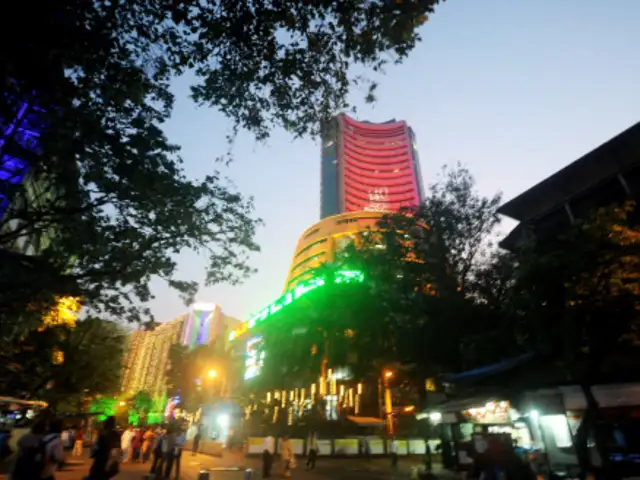
Samvat 2075 comes to an end, and a new Samvat kicks off on Diwali this Sunday, October 27. In the Samvat year gone by, Nifty generated 10.8% return and Sensex 9.8%, but that growth was limited to a handful of stocks. This is why most investors’ equity portfolio bled to make Samvat 2075 a forgettable year. Samvat 2075 was tough for investors, as stock performance remained concentrated in specific pockets.








Download
The Economic Times Business News App for the Latest News in Business, Sensex, Stock Market Updates & More.
The Economic Times Business News App for the Latest News in Business, Sensex, Stock Market Updates & More.
Download
The Economic Times News App for Quarterly Results, Latest News in ITR, Business, Share Market, Live Sensex News & More.
The Economic Times News App for Quarterly Results, Latest News in ITR, Business, Share Market, Live Sensex News & More.
ADVERTISEMENT




