
How child custody is decided in India: 9 things parents should know
1/10
Child custody after divorce in India
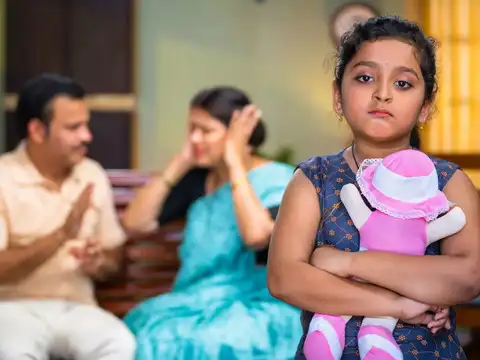
Divorce affects not just the spouses but also their children, who are often the most emotionally vulnerable. Indian courts focus on the best interests of the child when deciding custody matters. Custody decisions consider the child's welfare, emotional needs, and stability. Understanding these principles helps parents navigate custody issues with the child's well-being as the priority.
2/10
What is child custody?
Child custody is the legal responsibility to care for a child’s emotional, physical, and educational needs. It includes decision-making rights known as legal custody, which covers important choices about the child's upbringing. It also includes physical custody, which is the day-to-day care and where the child lives. Both legal and physical custody focus on ensuring the child’s best interests and well-being.

3/10
Types of custody in India
⦁Legal custody: Authority over decisions like education and healthcare.
⦁Physical custody: Child lives with one parent; the other gets visitation rights.
⦁Joint custody: Shared responsibilities between parents.
⦁Sole custody: Awarded to one parent in cases of abuse or neglect.
⦁Physical custody: Child lives with one parent; the other gets visitation rights.
⦁Joint custody: Shared responsibilities between parents.
⦁Sole custody: Awarded to one parent in cases of abuse or neglect.
Amazon Top Deals
POWERED BY

Crompton Ozone 75 Litres Desert Air Cooler for home | Large & Easy Clean Ice Chamber | 4-Way Air Deflection | High Density Honeycomb Pads | Everlast Pump | Auto Fill| 3 Year Brand Warranty
₹9,798Buy Now43%
OFF

atomberg Studio Smart+ 1200mm BLDC Ceiling Fan with IoT & Remote | BEE 5 star Rated Energy Efficient Ceiling Fan | High Air Delivery with LED Indicators | 3 Year Warranty (Earth Brown)
₹5,882Buy Now36%
OFF

LG 32 L Convection Microwave Oven (MC3286BRUM, Black, 360° Motorised Rotisserie for Bar-be-queing, 301 Auto Cook Menu, Stainless steel cavity, Indian Cuisine, Tandoor Se, Steam Clean & Diet Fry)
₹19,340Buy Now19%
OFF

4/10
Who can claim custody?
Both parents have an equal right to claim custody of their child. Mothers usually get preference for children under five years old, as it is believed they provide the necessary care at this stage. Fathers may be granted custody of older children or if the mother is deemed unfit. In rare cases, custody can also be awarded to grandparents or other relatives when neither parent is suitable.

5/10
Factors courts consider
Courts consider several factors when deciding child custody in India. These include the child’s age, with younger children usually staying with the mother. If the child is above 9 years, their preference may be taken into account. Financial stability, the health and moral character of the parents, and the child’s schooling and environment also play important roles in custody decisions.

6/10
Custody under different personal laws
⦁Hindu Law: Father is natural guardian; mother preferred for kids <5 years.
⦁Muslim Law: Mother gets custody (hizanat) of minors; father is legal guardian.
⦁Christian & Parsi Laws: Custody decided purely on child’s welfare.
⦁Special Marriage Act: Both parents have equal rights, welfare is key.
⦁Muslim Law: Mother gets custody (hizanat) of minors; father is legal guardian.
⦁Christian & Parsi Laws: Custody decided purely on child’s welfare.
⦁Special Marriage Act: Both parents have equal rights, welfare is key.

7/10
Can a child choose custody?
Yes, courts may consider the child’s preference if they are aged 9 or older and mature enough to express a choice. However, the child’s opinion is just one factor among many; courts balance it with the financial stability, emotional wellbeing, and overall best interests of the child. This ensures custody decisions are fair, thoughtful, and prioritize the child’s needs above all else.

8/10
Rights of non-custodial parent
Courts typically arrange for scheduled weekend or holiday visits and longer stays during school vacations to maintain the child’s relationship with both parents. If physical visits are not possible, online interaction through calls or video chats is encouraged. Denying access without a valid reason can lead to legal action by the court. These measures ensure that the child enjoys meaningful contact with both parents for balanced emotional growth.

9/10
Modification of custody orders
Child custody is not a permanent arrangement and courts may revise it if circumstances change. This can happen if a parent remarries, relocates abroad, is found to be abusive or neglectful, or becomes unfit due to illness or incapacity. Courts prioritize the child’s best interests and adjust custody accordingly to ensure their safety and wellbeing. Such decisions keep the child’s welfare as the central concern in any custody modification.

10/10
Child’s welfare comes first
Indian custody laws prioritize the child’s emotional, educational, and physical wellbeing over the rights of the parents. Courts focus on providing a stable and nurturing environment, avoiding any bias toward either parent. The child's best interests guide all decisions, ensuring they have a secure and supportive upbringing. This approach keeps the welfare of the child above all else.