
Can you sue your relatives or neighbours for gossip? Your legal rights under IPC Sections 499, 504, 506

1/10
Gossip turning toxic? Here’s how the law protects you
Gossip that damages your reputation is not harmless talk. If someone spreads false or hurtful claims about you, the law allows you to act. In India, defamation can be pursued both as a criminal and civil offence. You can seek punishment for the offender or claim compensation for the harm caused.

2/10
What counts as defamation?
False statements that damage your good name in front of others can be treated as defamation. When relatives, neighbours or others spread lies, gossip or insults that lower your image in society, it is not harmless. Under Indian law, you are allowed to take action against such behaviour through both civil and criminal routes. This can include going to court to stop the defamation and to ask for compensation for the harm caused.

3/10
Criminal option 1: Defamation (IPC 499/500)
If gossip includes false accusations that harm your reputation, you can file a criminal complaint. Under Indian law, such defamation is punishable with a fine, jail time, or both. The law allows up to two years of simple imprisonment for those found guilty. This helps protect individuals from false and damaging statements in society.
Amazon Top Deals
POWERED BY

Crompton Ozone 75 Litres Desert Air Cooler for home | Large & Easy Clean Ice Chamber | 4-Way Air Deflection | High Density Honeycomb Pads | Everlast Pump | Auto Fill| 3 Year Brand Warranty
₹9,798Buy Now43%
OFF

LG 32 L Convection Microwave Oven (MC3286BRUM, Black, 360° Motorised Rotisserie for Bar-be-queing, 301 Auto Cook Menu, Stainless steel cavity, Indian Cuisine, Tandoor Se, Steam Clean & Diet Fry)
₹19,090Buy Now20%
OFF

4/10
Criminal option 2: Threats or harassment (IPC 506 / 504)
• IPC 506:Criminal intimidation (gossip + threats).
• IPC 504:Deliberate insults meant to provoke you.
Applies when gossip turns into bullying, humiliation, or fear.
• IPC 504:Deliberate insults meant to provoke you.
Applies when gossip turns into bullying, humiliation, or fear.

5/10
Criminal option 3: Insulting women (IPC 509)
If gossip or actions target a woman’s dignity, modesty, or character, Section 509 of the Indian Penal Code applies. This law punishes anyone who uses words, gestures, or acts meant to insult or humiliate a woman’s modesty, including public humiliation. It covers verbal comments, gestures, or even invading her privacy in such a way. Offenders can face up to three years in prison, a fine, or both for these acts.

6/10
Civil remedy: Sue for damages
You can file a civil suit seeking monetary compensation for:
• Reputation loss
• Mental harassment
• Emotional stress
This is common when the damage is serious and provable.
• Reputation loss
• Mental harassment
• Emotional stress
This is common when the damage is serious and provable.
7/10
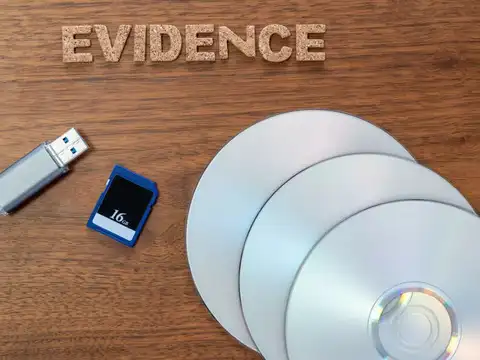
How to start: Build your evidence
Collect:
• Audio/video recordings
• Texts, WhatsApp messages
• Witnesses
• Dates & written logs
Solid evidence strengthens your legal case significantly.
• Audio/video recordings
• Texts, WhatsApp messages
• Witnesses
• Dates & written logs
Solid evidence strengthens your legal case significantly.

8/10
Your legal path: Step-by-step
⦁Send a legal notice demanding they stop.
⦁File a police complaint or FIR with evidence.
⦁If police don’t act, file a private complaint in court.
⦁Approach the SP if local police refuse to register your case.
⦁File a police complaint or FIR with evidence.
⦁If police don’t act, file a private complaint in court.
⦁Approach the SP if local police refuse to register your case.

9/10
Practical realities you must know
• Proof is essential—hearsay is not enough.
• Lawsuits are time-consuming and can escalate family tensions.
• Litigation may amplify the gossip you want to avoid.
Legal action is powerful, but choose wisely.
• Lawsuits are time-consuming and can escalate family tensions.
• Litigation may amplify the gossip you want to avoid.
Legal action is powerful, but choose wisely.

10/10
Alternatives before going to court
• Direct conversation (if safe).
• Mediators or community elders.
• Society/association complaints.
• Cease-and-desist letter through a lawyer.
These often resolve the issue faster and with less conflict.
• Mediators or community elders.
• Society/association complaints.
• Cease-and-desist letter through a lawyer.
These often resolve the issue faster and with less conflict.