
6 reasons a Will can be thrown out in India; here's exactly what the law says you can do
1/9
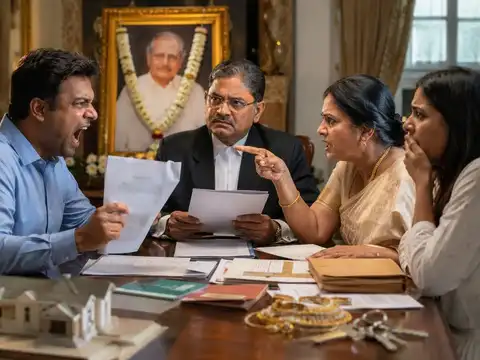
Someone died and left a Will. But what if the Will isn't fair or isn't even real?
A will is supposed to be the final word on who gets what after someone dies. But in India, a will is not automatically untouchable. If something about it looks wrong -the signature, the circumstances, the timing- the law gives certain people the right to stand up in court and challenge it. Here is everything you need to know.
2/9
Not everyone can challenge a Will. Here's who actually can
The Indian Succession Act does not hand out the right to challenge a will to just anyone. Courts decide case by case, but there are three categories of people who most commonly qualify.
First, legal heirs, parents, siblings, spouses, children, grandparents, especially if they have been left out of the will entirely or received far less than they were entitled to. Second, beneficiaries who are already named in the will but believe something about it is wrong. Third, guardians acting on behalf of a minor child who has an interest in the will but cannot go to court themselves.
If you do not fall into one of these categories, a court is unlikely to entertain your challenge.
First, legal heirs, parents, siblings, spouses, children, grandparents, especially if they have been left out of the will entirely or received far less than they were entitled to. Second, beneficiaries who are already named in the will but believe something about it is wrong. Third, guardians acting on behalf of a minor child who has an interest in the will but cannot go to court themselves.
If you do not fall into one of these categories, a court is unlikely to entertain your challenge.
3/9
Ground #1: The person who Made the Will was forced into it
This is one of the most common grounds used to challenge a will in India, and one of the hardest to prove.
If a will was made under undue influence, coercion, or fraud, it can be declared void. That means if someone pressured, manipulated, threatened, or deceived the testator into writing the will a certain way, the court can throw the will out entirely. The catch: the burden of proof sits entirely with the person making the challenge. You have to show the court evidence that something was wrong — and that is rarely straightforward.
If a will was made under undue influence, coercion, or fraud, it can be declared void. That means if someone pressured, manipulated, threatened, or deceived the testator into writing the will a certain way, the court can throw the will out entirely. The catch: the burden of proof sits entirely with the person making the challenge. You have to show the court evidence that something was wrong — and that is rarely straightforward.
Amazon Top Deals
POWERED BY

Crompton Ozone 75 Litres Desert Air Cooler for home | Large & Easy Clean Ice Chamber | 4-Way Air Deflection | High Density Honeycomb Pads | Everlast Pump | Auto Fill| 3 Year Brand Warranty
₹9,798Buy Now43%
OFF

LG 32 L Convection Microwave Oven (MC3286BRUM, Black, 360° Motorised Rotisserie for Bar-be-queing, 301 Auto Cook Menu, Stainless steel cavity, Indian Cuisine, Tandoor Se, Steam Clean & Diet Fry)
₹17,990Buy Now25%
OFF
4/9
Ground #2: The signature is fake. The Will is forged
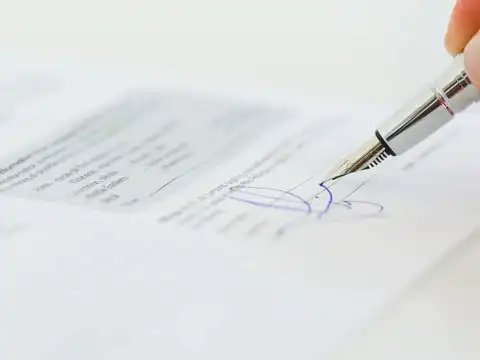
A forged will is a criminal matter, not just a civil one. If someone has fabricated a will or tampered with an existing one, it can be challenged and the responsible person can face punishment under forgery laws.
Again, the person raising the challenge must prove the forgery. Courts look at handwriting, witness accounts, the timing of when the will appeared, and whether the contents seem out of character for the deceased. The more suspicious the circumstances, the more seriously the court will look at it.
Again, the person raising the challenge must prove the forgery. Courts look at handwriting, witness accounts, the timing of when the will appeared, and whether the contents seem out of character for the deceased. The more suspicious the circumstances, the more seriously the court will look at it.

5/9
Ground #3: The person making the Will did not have a clear mind
A Will is only valid if the person making it, the testator, was of sound mind at the time of signing. This is called testamentary capacity, and its absence is a powerful ground for challenge.
A will can be contested if the testator was under 18 years old, was suffering from a condition like dementia that affected their decision-making, was heavily intoxicated, or was deaf, dumb, or blind and unaware of the consequences of what they were signing. If medical records, witness statements, or other evidence suggest the person was not mentally capable at the time, the will can be declared void.
A will can be contested if the testator was under 18 years old, was suffering from a condition like dementia that affected their decision-making, was heavily intoxicated, or was deaf, dumb, or blind and unaware of the consequences of what they were signing. If medical records, witness statements, or other evidence suggest the person was not mentally capable at the time, the will can be declared void.

6/9
Ground #4: The Will was not signed or witnessed correctly
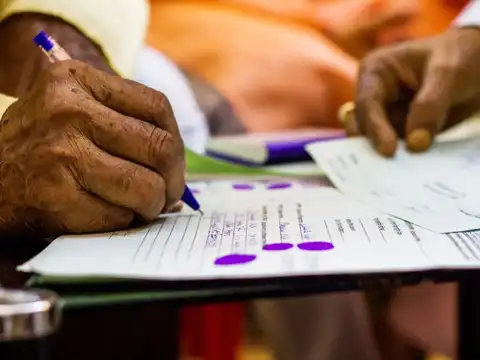
A valid will in India has strict requirements. The testator must sign it, or provide a thumbprint, in the presence of at least two witnesses. Those witnesses must also sign. All of this must happen together, at the same time, with everyone present.
If even one of these steps is missing, the will can be challenged on the ground of lack of due execution. If the witnesses turn out to be unreliable or their statements contradict each other, that too counts as a suspicious circumstance and can be used to question the will's validity.
If even one of these steps is missing, the will can be challenged on the ground of lack of due execution. If the witnesses turn out to be unreliable or their statements contradict each other, that too counts as a suspicious circumstance and can be used to question the will's validity.

7/9
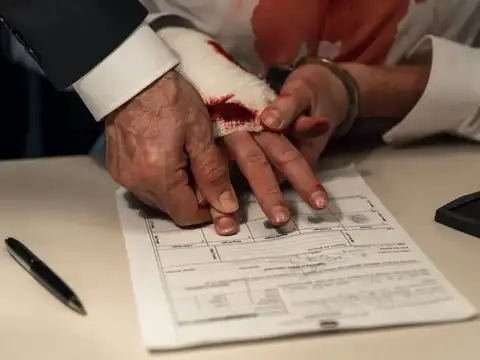
Ground #5: The testator didn't actually know what they were signing
This one is subtler but just as serious. A will can be challenged if the person who signed it did not fully understand what was in it at the time.
If someone signed a document without realising it was a will, that is grounds for challenge. If certain clauses were slipped in, especially clauses that benefit only one person, and the testator had no knowledge of them, those specific portions can be declared invalid. Courts have consistently held that awareness and approval of the contents is not optional; it is a requirement for a valid will.
If someone signed a document without realising it was a will, that is grounds for challenge. If certain clauses were slipped in, especially clauses that benefit only one person, and the testator had no knowledge of them, those specific portions can be declared invalid. Courts have consistently held that awareness and approval of the contents is not optional; it is a requirement for a valid will.
8/9
Ground #6: The Will was already revoked before the person died
A living person can change or cancel their will as many times as they want. There is no limit. When a will is revoked, it is legally destroyed and replaced by a new one. The old will ceases to exist entirely.
If someone tries to act on an older version of a will after a newer one has been made, that older will can be challenged as revoked. The important condition: the revocation itself must be free of any pressure, fraud, or undue influence. Courts will also look at whether only specific inconsistent portions can be separated out and set aside, rather than throwing out the entire document
If someone tries to act on an older version of a will after a newer one has been made, that older will can be challenged as revoked. The important condition: the revocation itself must be free of any pressure, fraud, or undue influence. Courts will also look at whether only specific inconsistent portions can be separated out and set aside, rather than throwing out the entire document

9/9
So what happens after you challenge a Will?
Challenging a will is a legal process and it is not quick. You go to the relevant civil court, present your grounds and evidence, and the court examines everything, the document, the signatures, the witnesses, the testator's mental state at the time, and the circumstances around how the will was made.
If the challenge succeeds, the court can declare the will, or specific parts of it, invalid. When that happens, the property is redistributed either under a previous valid will or under the rules of intestate succession, meaning it is divided as the law requires based on religion and family structure.
If the challenge succeeds, the court can declare the will, or specific parts of it, invalid. When that happens, the property is redistributed either under a previous valid will or under the rules of intestate succession, meaning it is divided as the law requires based on religion and family structure.