
Silver imports into India: New customs duty rates, jewelry restrictions, and passenger baggage rules explained; what it means for prices, loans, and jewelry buyers
1/10
Silver import duty in India 2025: What has changed and why it matters
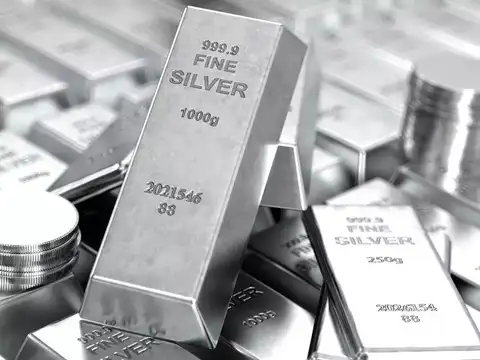
India reduced its silver import duty from 15 percent to 6 percent in 2025, making silver imports cheaper for buyers. However, restrictions on silver jewelry imports are still in place until March 2026, limiting the supply of such items. These changes affect prices, with lower duties helping reduce costs while controls on jewelry imports maintain some supply constraints. As a result, buyers and loan seekers should watch how these rules impact the market and financing options.
2/10
New duty rates: Silver now cheaper to import
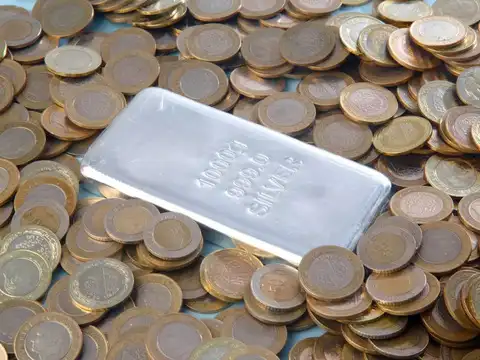
⦁Silver bullion: Reduced to 6% (from 15%)
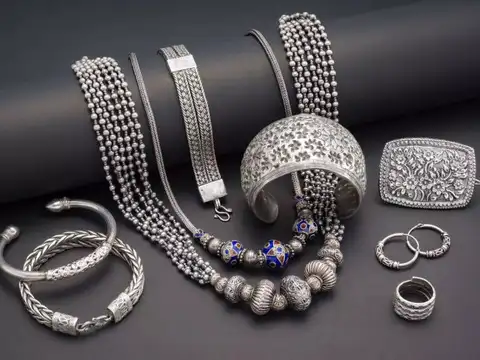
⦁Silver jewelry and parts (HSN 7113): Lowered to 20% (from 25%)
⦁Silver jewelry and parts (HSN 7113): Lowered to 20% (from 25%)

3/10
Import restrictions continue until March 2026
The import of plain silver jewelry and unmounted silver remains restricted until March 31, 2026. Importers now need a government-issued license for these items to curb duty evasion and protect domestic jewelers. This move responds to a surge in imports falsely declared under free trade agreements. The restrictions aim to support local manufacturers and safeguard jobs in the jewelry sector.
Amazon Top Deals
POWERED BY

Crompton Ozone 75 Litres Desert Air Cooler for home | Large & Easy Clean Ice Chamber | 4-Way Air Deflection | High Density Honeycomb Pads | Everlast Pump | Auto Fill| 3 Year Brand Warranty
₹9,798Buy Now43%
OFF

LG 32 L Convection Microwave Oven (MC3286BRUM, Black, 360° Motorised Rotisserie for Bar-be-queing, 301 Auto Cook Menu, Stainless steel cavity, Indian Cuisine, Tandoor Se, Steam Clean & Diet Fry)
₹18,780Buy Now22%
OFF
4/10
Passenger rules: How much silver can you bring?
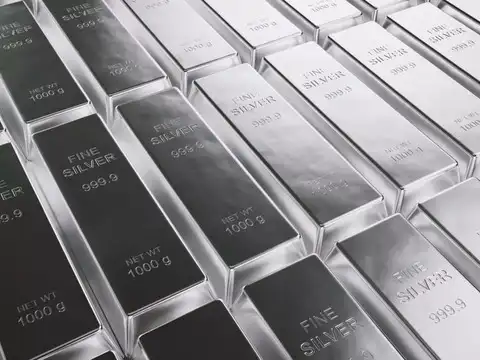
⦁Eligible passengers: Pay only 6% duty
⦁Non-eligible passengers: Duty at 36%
⦁Limit: There is no duty-free import of silver allowed for personal use, but passengers can import up to 10 kg of silver on payment of duty
⦁Duty is based on tariff value, which fluctuates with official notifications from Indian Customs.
⦁Eligibility: The passenger must be of Indian origin or a holder of a valid passport and must have stayed abroad for at least six months.
⦁Payment: Duty must be paid in convertible foreign currency.
⦁Non-eligible passengers: Duty at 36%
⦁Limit: There is no duty-free import of silver allowed for personal use, but passengers can import up to 10 kg of silver on payment of duty
⦁Duty is based on tariff value, which fluctuates with official notifications from Indian Customs.
⦁Eligibility: The passenger must be of Indian origin or a holder of a valid passport and must have stayed abroad for at least six months.
⦁Payment: Duty must be paid in convertible foreign currency.
5/10
How the duty cut affects silver prices in India
Lower import duty means cheaper bullion for traders and manufacturers, making silver more affordable to produce and trade. Consumers benefit as silver jewelry prices drop due to the reduced rates. However, restrictions on silver jewelry imports could cause temporary price fluctuations as demand may outpace supply. This balance could create short-term volatility while helping the domestic market adjust.

6/10
Impact on silver-backed loans and finance
Cheaper bullion may help NBFCs and lenders who accept silver as collateral by reducing costs. But restrictions on silver jewelry imports could affect how jewelry-backed loans are valued. This may create some uncertainty in collateral prices for now. Once the import flow is back to normal, expect more liquidity and smoother financing in the silver market.
7/10
What it means for jewelry buyers and businesses
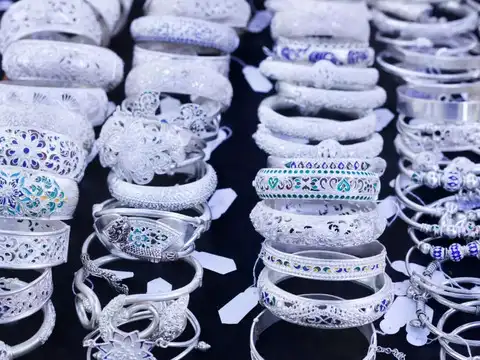
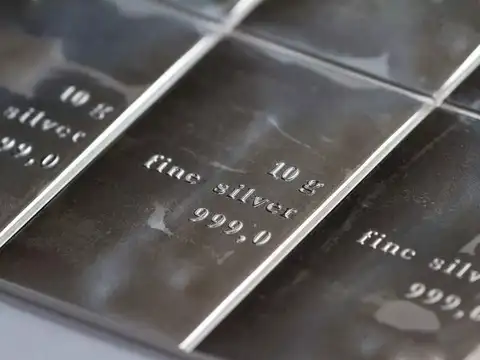
Imported silver jewelry may now cost less due to a 20 percent import duty, making it more affordable for consumers. Domestic jewelers also benefit from lower raw material costs as bullion import duty has been reduced to 6 percent. Once restrictions ease in 2026, imports of designer and lightweight jewelry could rise. This is likely to increase variety and competitiveness in the market, benefiting buyers.
8/10
Understanding India’s silver price premium
⦁ India’s silver trades at a 3–5% premium over global spot prices due to:
⦁ Import duties and taxes (customs + IGST)
⦁ Regional demand variations (Mumbai, Delhi, Chennai, Kolkata)
⦁ Transport and local levies
⦁ Mumbai remains the benchmark hub for silver pricing in India.
⦁ Import duties and taxes (customs + IGST)
⦁ Regional demand variations (Mumbai, Delhi, Chennai, Kolkata)
⦁ Transport and local levies
⦁ Mumbai remains the benchmark hub for silver pricing in India.

9/10
Festival and wedding season surge in silver demand
During Diwali and the wedding season, silver sales jump by 40 to 60 percent as buyers flock to buy coins, utensils, and gift items. When gold prices rise, silver becomes the preferred alternative for cultural purchases, driving demand higher. This seasonal surge reflects silver’s popularity as an affordable and auspicious choice for celebrations. Retailers and traders expect this strong demand to continue through the festive and wedding periods.

10/10
Key takeaways: What consumers and importers must know
⦁Silver import duty: 6% on bullion
⦁Jewelry duty: 20%, imports restricted till March 2026
⦁Check latest customs notifications for tariff updates
⦁Expect short-term volatility, but long-term price stability as supply adjusts
⦁Jewelry duty: 20%, imports restricted till March 2026
⦁Check latest customs notifications for tariff updates
⦁Expect short-term volatility, but long-term price stability as supply adjusts