
Metal stocks Q1 performance check: 4 beat estimates, 2 missed; Motilal Oswal breaks down the reason
1/7
Prices just saved a weak quarter for metal investors
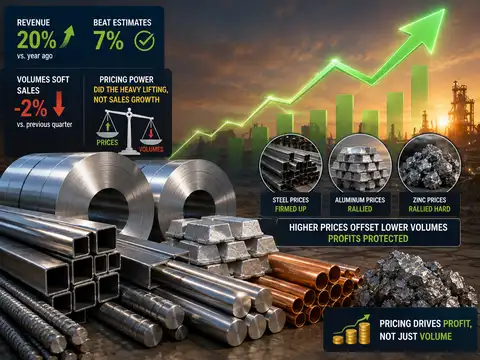
If you're holding metal stocks, here's the number that matters. Revenue across Motilal Oswal's metals coverage universe grew 20% from a year ago and beat estimates by 7%, even though volumes were actually soft and sales dipped 2% from the previous quarter. Why does this matter if you own these stocks? Because it shows pricing power did the heavy lifting this time, not sales growth. Steel prices firmed up. Aluminum and zinc rallied hard. That alone was enough to offset companies simply moving less metal out the door. For shareholders, a quarter carried by prices rather than volumes is often the more encouraging kind, since pricing tends to flow straight through to profit rather than getting eaten up by higher costs of production and distribution.
2/7
Steel companies are quietly making more money for tonne
JSW Steel, Tata Steel, Jindal Stainless and SAIL grew combined revenue 12% versus last year, though it slipped 7% from the prior quarter. On its own, that sequential dip could easily spook a nervous shareholder scanning the headline number. But the real story sits one layer underneath. Profit per tonne across these four companies rose by INR2,000 to INR2,500, both compared to last year and compared to last quarter, and this happened despite input costs climbing at the same time. In plain terms, these companies are earning more on every single unit they sell, not less. For anyone tracking margins in steel counters, that per-tonne number is worth far more attention than the topline revenue figure everyone else is looking at.
3/7
This is the standout group of the quarter
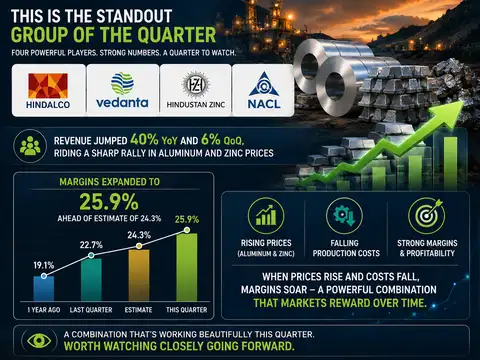
Hindalco, Vedanta, Hindustan Zinc and NACL are the names investors should be watching most closely this earnings season. Revenue for this group jumped 40% from a year ago and 6% from the previous quarter, riding a sharp rally in aluminum and zinc prices. Margins expanded to 25.9%, comfortably ahead of the brokerage's own estimate of 24.3%, and a big step up from 22.7% last quarter and just 19.1% a year back. That kind of margin trajectory is exactly the sort of trend that tends to get rewarded by the market over time. Rising prices and falling production costs rarely line up this neatly in the same quarter, so it's worth watching closely whether this combination can hold into the next one.
Amazon Top Deals
POWERED BY

Crompton Ozone 75 Litres Desert Air Cooler for home | Large & Easy Clean Ice Chamber | 4-Way Air Deflection | High Density Honeycomb Pads | Everlast Pump | Auto Fill| 3 Year Brand Warranty
₹9,798Buy Now43%
OFF

LG 32 L Convection Microwave Oven (MC3286BRUM, Black, 360° Motorised Rotisserie for Bar-be-queing, 301 Auto Cook Menu, Stainless steel cavity, Indian Cuisine, Tandoor Se, Steam Clean & Diet Fry)
₹19,090Buy Now20%
OFF

4/7
Mining stocks grew on volume alone, and that cuts both ways
Coal India and NMDC took a different path to growth this quarter. Their revenue rose 7% from a year ago purely because they sold more material, not because prices moved in their favor, and revenue still fell 3% from the previous quarter. For investors, that's a more mixed signal than it looks at first glance. Volume-led growth without any pricing support tends to be less durable than the margin-driven story unfolding in steel and non-ferrous names right now. It's worth keeping a close eye on whether these mining volumes can keep climbing from here, because unlike the rest of the sector, price simply isn't providing a cushion for these two companies at the moment.
5/7
Sectors earnings beat estimates by a wide margin
Aggregate earnings across the coverage universe climbed 37% from a year ago and 3% from the previous quarter, landing 5% above what analysts had modeled going in. That's a solid beat, especially considering input costs were rising the entire time. But not every stock in the group shared equally in the gains. Tata Steel's operations in the UK and Netherlands weighed heavily on the overall numbers, holding consolidated profitability to INR12,750 per tonne despite a sharp increase in prices during the quarter. Strip out those overseas operations, though, and Tata Steel's India business alone posted INR17,800 per tonne, up INR2,500 from the previous quarter. It's a good reminder to check the geography-wise breakdown before judging any stock purely by its consolidated headline number.

6/7
Who beat expectations, and who fell short
For anyone picking individual stocks rather than the sector broadly, this is the slide that matters most. Motilal Oswal flagged four clear outperformers this quarter: Hindalco, SAIL, Jindal Stainless and Hindustan Zinc all came in ahead of what analysts had expected. On the flip side, Coal India and Midwest Limited missed the brokerage's estimates, making them the two exceptions in what was otherwise a broadly strong earnings season across the sector. If you're holding either of these two names, it may be worth digging into management's own commentary before drawing any firm conclusions about what went wrong.
7/7
Here's what management is signaling for the next quarter
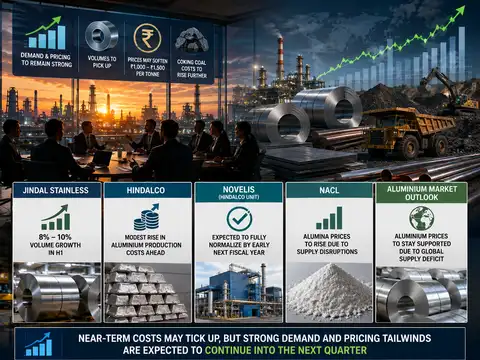
Earnings calls across the metals and mining sector carried a fairly consistent tone this time around: confidence that demand and pricing will hold up going forward. That's typically a bullish signal for investors, though it's always worth weighing against each company's own specific guidance rather than taking the sector mood at face value. Steel producers expect volumes to pick up now that scheduled maintenance shutdowns are behind them, though domestic prices may soften slightly by INR1,000 to INR1,500 a tonne and coking coal costs could rise further. Jindal Stainless is guiding toward 8% to 10% volume growth in the first half of the year. Hindalco flagged a modest rise in aluminum production costs ahead, with its Novelis unit expected to fully normalize by early next fiscal year following last year's plant fire. NACL, meanwhile, expects alumina prices to rise due to temporary supply disruptions, while aluminum prices should stay well supported given a global supply deficit. Put together, the message across the board is that near-term costs may tick up a little further, but the demand and pricing tailwinds that carried this quarter look set to continue into the next one.