
Bond laddering: What it is, how it works, and who should use it in 8 takes

1/8
Putting all your money in one bond is a trap; here is the smarter fix
When you invest everything in a single bond, you are stuck at one interest rate, locked out of your money until maturity, and exposed to the full force of rate swings. There is a better way — and it is called a bond ladder.
2/8
What is a bond ladder? Think of it as a staircase for your money
A bond ladder splits your investment across multiple bonds that mature at different times, say, 1, 2, 3, 4, and 5 years. Each bond is a "rung." As each rung matures, you either pocket the money or reinvest it at the far end of the ladder.
Year 1
₹1L
Year 2
₹1L
Year 3
₹1L
Year 4
₹1L
Year 5
₹1L
Year 1
₹1L
Year 2
₹1L
Year 3
₹1L
Year 4
₹1L
Year 5
₹1L
3/8
The biggest problem it solves: You stop gambling on interest rates
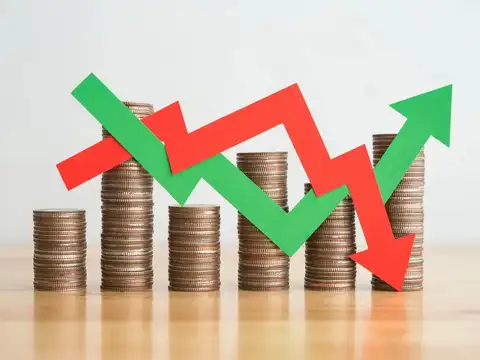
Interest rates go up and down. If you invest everything at once and rates rise, you miss out. If rates fall, you are stuck. A ladder means only a portion of your money faces any single rate environment — the rest stays flexible.
The result: No more agonising over the "right time" to invest. The ladder does the timing for you, automatically.
The result: No more agonising over the "right time" to invest. The ladder does the timing for you, automatically.
Amazon Top Deals
POWERED BY


4/8
Real example: How ₹5 lakh works in a bond ladder
Suppose you have ₹5,00,000 and need money back in stages:
- Invest ₹1,00,000 in a 1-year bond; for near-term needs
- Invest ₹1,50,000 in a 2-year bond; for medium-term goals
- Invest ₹2,50,000 in a 3–5 year bond; for long-term growth
5/8
4 reasons a bond ladder beats a single bond every time
Regular cash flow: Money lands in your account at predictable intervals
Lower interest rate risk: No single rate makes or breaks your portfolio
Better liquidity: A rung always matures soon, so you are rarely stuck
Reinvestment flexibility: When rates rise, you capture higher yields automatically
Lower interest rate risk: No single rate makes or breaks your portfolio
Better liquidity: A rung always matures soon, so you are rarely stuck
Reinvestment flexibility: When rates rise, you capture higher yields automatically

6/8
Who should use a bond ladder? It is not just for retirees
Perfect fit
Retirees needing steady income, conservative investors, anyone saving for a large goal in stages
Also works for
Young investors building discipline, parents saving for education, anyone tired of timing the market
Retirees needing steady income, conservative investors, anyone saving for a large goal in stages
Also works for
Young investors building discipline, parents saving for education, anyone tired of timing the market

7/8
The risks you must know before you start
1.Credit risk: A bond issuer could default; diversify across issuers
2.Reinvestment risk: Ffuture rates may be lower when a rung matures
3.Inflation risk: Fixed returns may not keep pace with rising prices
4.Liquidity risk: Some bonds are hard to sell before maturity if you need cash urgently
The ladder reduces these risks — it does not eliminate them. Quality issuers and regular reviews matter
2.Reinvestment risk: Ffuture rates may be lower when a rung matures
3.Inflation risk: Fixed returns may not keep pace with rising prices
4.Liquidity risk: Some bonds are hard to sell before maturity if you need cash urgently
The ladder reduces these risks — it does not eliminate them. Quality issuers and regular reviews matter

8/8
How to build your first bond ladder in 6 steps
1.Decide the total amount you want to invest
2.Choose your ladder duration: 1 year, 3 years, 5 years, or longer
3.Pick bonds with different maturity dates using an online bond platform
4.Diversify across different issuers to reduce concentration risk
5.Split your investment evenly or weight it toward your goals
6.Reinvest each maturing rung at the long end, or use the money as needed