Believe it or not: 10 fun financial facts you didn't know
Do you know which calendar year saw an all-time high fund raising through the public equity markets? Or which US phone maker's market cap is higher than all the BSE 500 companies? Here are facts of the investing and financial world that will start...
By ET Bureau | Updated:

iStock
The world of investing and finance is based on hard numbers and incontrovertible facts. But the truth can sometimes be stranger than fiction. ET Wealth presents 10 facts that you may find hard to believe and would have not known otherwise.
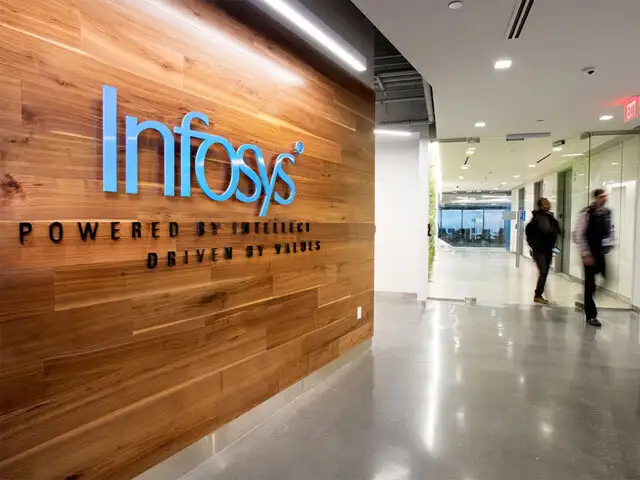
1. The Infosys Technologies IPO was undersubscribed
The Infosys IPO that came out in June 1993 and priced its shares at Rs 95 apiece was undersubscribed. Morgan Stanley bailed it out by picking up 13% of the equity. The stock listed at Rs 145, a listing gain of over 52%. Rs 9,500 invested in the IPO is now worth over Rs 2 crore along with almost Rs 20 lakh in dividends.
2. 97.75% was the highest income tax slab!
In 1970-71, income tax was spread over 11 slabs with the highest bracket attracting 85% tax. Combined with a surcharge of 15%, the marginal rate of income tax reached 97.75%! Over the past fifty years, the tax slabs have reduced to 3 with the maximum bracket attracting 30% tax.
3. Tax rates on gold depend on investment vehicles!
The yellow metal held in physical form or through gold funds attracts long term capital gains tax (LTCG) of 20% with indexation, while gold bonds do not attract any LTCG if held till maturity. However, the tax rate for such bonds is 10% without indexation if sold before maturity.
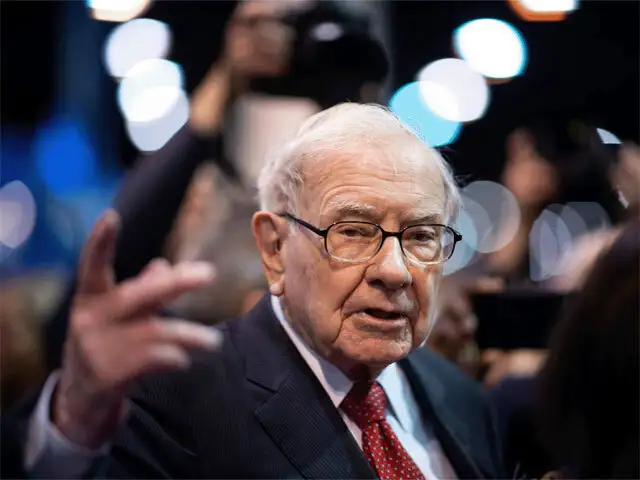
4. Warren Buffett’s net worth at age 52 was only 0.3% of current value
Warren Buffett, considered as the world’s most successful investor, made 99.6% of his $87.5 billion fortune after the age of 52. As much as $72 billion of his wealth came after he turned 65. He started investing at a tender age of 11 and fi led his taxes for the first time when he was 13.
5. A month to settle trades
When shares were traded in physical form in the 1980s, the settlement of stock trades could take more than a month. After the introduction of electronic matching engines in the mid 1990s, the process of settlement was reduced to 14 days. Now the same process takes two days.

6. Mad rush for Mastergain 92
Prospective investors slept outside the offices of UTI to collect the application forms for Mastergain 92 when it was launched in the midst of a stock market boom in 1992. It made its debut as a close-ended fund with 65 lakh investors, a world record for any equity fund.
7. Apple’s market cap is higher than entire BSE 500 companies
Apple Inc’s market cap was more than Rs 164 lakh crore in 2020. This is more than the combined market cap of BSE 500 companies and twice as big as that of the 30 share index. Since 24 August 2019, Apple shares have more than doubled in value from $212 to more than $500.
8. 2020 saw highest-ever public equity fundraising
The calendar year 2020 saw an all-time high fund raising through the public equity markets at Rs 1,77,468 crore, despite being overshadowed by the pandemic. This was 116% higher than that of calendar 2019. This included IPO, QIP and OFS proceeds.
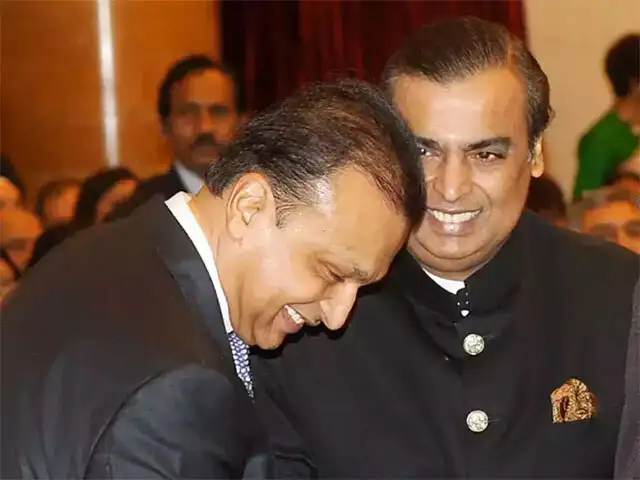
9. Anil Ambani was once richer than brother Mukesh
For a brief period in 2006, a year after the Ambani brothers split their wealth, Anil Ambani’s net worth was higher than Mukesh’s by about Rs 500 crore. However, Mukesh soon raced past his brother. In 2007, Forbes pegged Mukesh’s wealth at $49 billion and Anil’s at $45 billion. Mukesh’s wealth is now $74 billion while Anil says his net worth is zero. In the past 13 years, Mukesh’s wealth has increased by an average $61 per second while Anil lost $110 per second.
10. Tax rules didn’t encourage too much investment in equities or for retirement
Under Section 88, the tax deduction for investments in ELSS funds was capped at Rs 10,000 a year. The cap discouraged investors from putting too much in equities. Even contributions to pension plans were capped at Rs 10,000 a year under Sec 80CCC. These sub limits were removed when Section 88 was replaced by Sec 80C in 2005.
1. The Infosys Technologies IPO was undersubscribed
The Infosys IPO that came out in June 1993 and priced its shares at Rs 95 apiece was undersubscribed. Morgan Stanley bailed it out by picking up 13% of the equity. The stock listed at Rs 145, a listing gain of over 52%. Rs 9,500 invested in the IPO is now worth over Rs 2 crore along with almost Rs 20 lakh in dividends.
2. 97.75% was the highest income tax slab!
In 1970-71, income tax was spread over 11 slabs with the highest bracket attracting 85% tax. Combined with a surcharge of 15%, the marginal rate of income tax reached 97.75%! Over the past fifty years, the tax slabs have reduced to 3 with the maximum bracket attracting 30% tax.
3. Tax rates on gold depend on investment vehicles!
The yellow metal held in physical form or through gold funds attracts long term capital gains tax (LTCG) of 20% with indexation, while gold bonds do not attract any LTCG if held till maturity. However, the tax rate for such bonds is 10% without indexation if sold before maturity.
4. Warren Buffett’s net worth at age 52 was only 0.3% of current value
Warren Buffett, considered as the world’s most successful investor, made 99.6% of his $87.5 billion fortune after the age of 52. As much as $72 billion of his wealth came after he turned 65. He started investing at a tender age of 11 and fi led his taxes for the first time when he was 13.
5. A month to settle trades
When shares were traded in physical form in the 1980s, the settlement of stock trades could take more than a month. After the introduction of electronic matching engines in the mid 1990s, the process of settlement was reduced to 14 days. Now the same process takes two days.
(Based on text by ET Bureau)
In 1970-71, personal income tax was spread across 11 slabs, with the highest bracket attracting 85% tax. Together with a surcharge of 15%, the marginal rate of income tax reached an whooping and now unimaginable 97.75%! Over the last 50 years, the tax slabs have reduced to 3 with the maximum bracket attracting 30% tax at present.




6. Mad rush for Mastergain 92
Prospective investors slept outside the offices of UTI to collect the application forms for Mastergain 92 when it was launched in the midst of a stock market boom in 1992. It made its debut as a close-ended fund with 65 lakh investors, a world record for any equity fund.
7. Apple’s market cap is higher than entire BSE 500 companies
Apple Inc’s market cap was more than Rs 164 lakh crore in 2020. This is more than the combined market cap of BSE 500 companies and twice as big as that of the 30 share index. Since 24 August 2019, Apple shares have more than doubled in value from $212 to more than $500.
8. 2020 saw highest-ever public equity fundraising
The calendar year 2020 saw an all-time high fund raising through the public equity markets at Rs 1,77,468 crore, despite being overshadowed by the pandemic. This was 116% higher than that of calendar 2019. This included IPO, QIP and OFS proceeds.
9. Anil Ambani was once richer than brother Mukesh
For a brief period in 2006, a year after the Ambani brothers split their wealth, Anil Ambani’s net worth was higher than Mukesh’s by about Rs 500 crore. However, Mukesh soon raced past his brother. In 2007, Forbes pegged Mukesh’s wealth at $49 billion and Anil’s at $45 billion. Mukesh’s wealth is now $74 billion while Anil says his net worth is zero. In the past 13 years, Mukesh’s wealth has increased by an average $61 per second while Anil lost $110 per second.
ADVERTISEMENT
10. Tax rules didn’t encourage too much investment in equities or for retirement
Under Section 88, the tax deduction for investments in ELSS funds was capped at Rs 10,000 a year. The cap discouraged investors from putting too much in equities. Even contributions to pension plans were capped at Rs 10,000 a year under Sec 80CCC. These sub limits were removed when Section 88 was replaced by Sec 80C in 2005.
How new tax changes will impact you. Calculate your tax now
Download
The Economic Times News App for Quarterly Results, Latest News in ITR, Business, Share Market, Live Sensex News & More.
The Economic Times News App for Quarterly Results, Latest News in ITR, Business, Share Market, Live Sensex News & More.
ADVERTISEMENT




