
7 ways to know if your investment is ‘dead money’ (and what to do about it)

1/7
That stock sitting in your portfolio might be "dead money"; here's what that means
You check your portfolio and there it is: a stock that hasn't moved in years, quietly doing nothing while the rest of the market climbs. Investors have a name for this, dead money, and it's one of the sneakiest performance killers out there. It's not just about losing money; it's about capital sitting idle, earning little or nothing, while better opportunities pass you by. Here's exactly what dead money is, how to spot it, and when it's actually okay to hold onto it anyway.

2/7
What exactly is "dead money"?
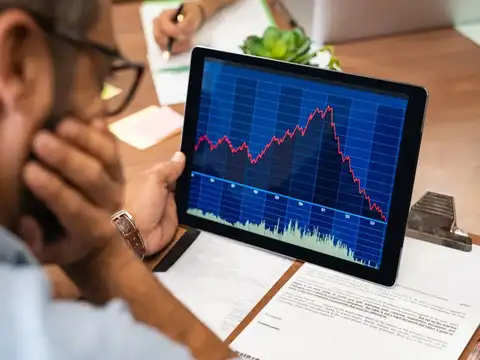
Dead money is investing slang for any asset that's shown little to no growth over an extended stretch of time. It can be a stock whose price has flatlined for years, or simply cash sitting somewhere that isn't earning meaningful returns. Analysts sometimes even flag a stock publicly as "dead money," warning other investors to think twice before buying in. The real danger isn't just one stagnant position, it's that a single dead investment can quietly drag down the performance of your entire portfolio without you fully realizing it.
3/7
Even cash can become dead money
It's easy to assume dead money only applies to bad stocks, but plain old cash counts too. Money sitting in a non-interest checking account, or worse, stashed away entirely uninvested, earns little or nothing, and inflation quietly erodes its real buying power over time. This is often called "cash drag," and it can meaningfully hurt overall portfolio returns compared to staying fully invested. That said, some investors deliberately hold cash anyway, to cushion against risk, stay ready for new opportunities, cover fees, or simply diversify away from market swings.
Amazon Top Deals
POWERED BY

4/7
Warning Sign #1: It's been underperforming for years, not months
The first real red flag of a dead investment isn't a rough quarter or two, it's consistent underperformance against its benchmark and peers over several consecutive years. Markets naturally have dips and rough patches, and a genuinely good investment usually bounces back within a reasonable window. But when a stock keeps trailing behind similar companies year after year with no signs of catching up, that's not a temporary slump anymore; it's a pattern worth taking seriously.

5/7
Warning Sign #2: The reason you bought it no longer exists
Every investment starts with a thesis — maybe you bought into a growth story, a hot sector trend, or a specific financial goal the stock was meant to serve. A dead investment is often one where that original reasoning has quietly evaporated, even if you haven't noticed. Layer on top of that weakening fundamentals, poor earnings, questionable governance, or a business model that simply isn't working anymore, and you've got a strong signal that the asset no longer belongs in your portfolio the way it once did.

6/7
The biggest trap: Holding on just to "break even"
Perhaps the most common mistake investors make with dead money is falling into the hope trap, holding onto a losing position purely because selling now would lock in a loss, and there's still a sliver of hope it'll recover. This ignores a crucial cost: every dollar tied up in a going-nowhere stock is a dollar that isn't earning returns elsewhere. If an investment no longer fits your risk tolerance or target portfolio mix, and the odds of a real turnaround look slim, continuing to hold on out of hope alone is usually the costlier choice.
7/7
The bottom line: Not all dead money is bad money
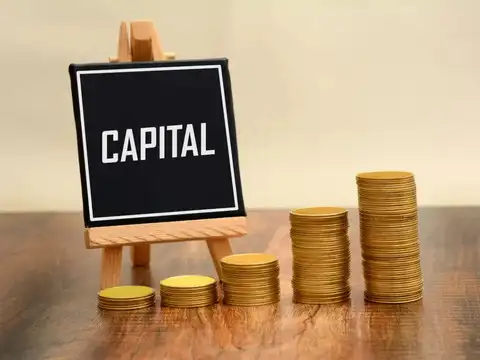
Dead money broadly means capital that isn't earning a meaningful return, whether it's parked in cash, stuck in a stagnant stock, or sitting somewhere else entirely, and it can genuinely drag down your overall portfolio performance. But it's not always a clear-cut mistake. Cash held deliberately can act as a smart hedge against volatility, and even a flat stock can still turn around if the underlying company changes course. Ultimately, whether something counts as dead money depends heavily on your own goals, timeline, and how much patience you're willing to spend waiting for a turnaround.