11 animals of the investing world other than bulls, bears that you didn't know about
Most investors understand what bulls and bears denote in the stock market. Some may even know what a dead cat bounce means but there are other animals as well in the investing world. We examine the financial traits of some of these creatures. Whic...
By ET Bureau | Updated:
iStock
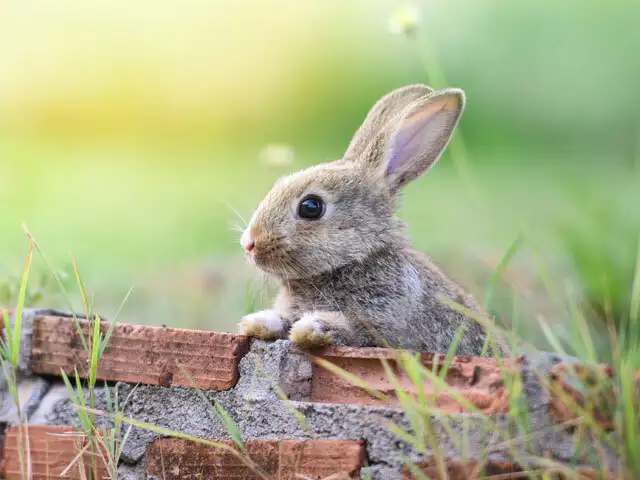
Rabbits buy shares for very short durations, ranging from a couple of weeks to intra-day buying and selling.
Almost every investor knows about bulls and bears and the bullish and bearish phases of the stock market but few know that the market experiences the presence of the animal kingdom, or at least animal nomenclature, at a larger scale. Yes, there are other animals in the market too.
From pigs to sharks to ostriches, each of these terms denotes distinct traits of the market. Read to know all about these creatures and what they signify for investors. Which of these is you? Find out.
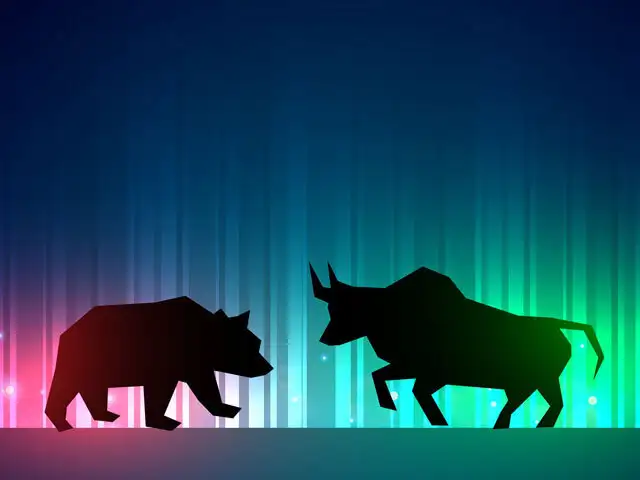
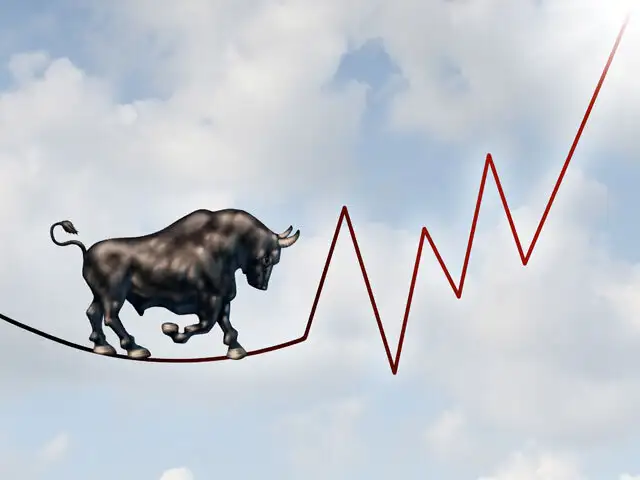
1. Bulls Bulls are investors who are optimistic about the stock market. They believe the price will continue to rise. One can be bullish about individual stocks, a sector or the market as a whole. A sustained uptrend is called a bull run.
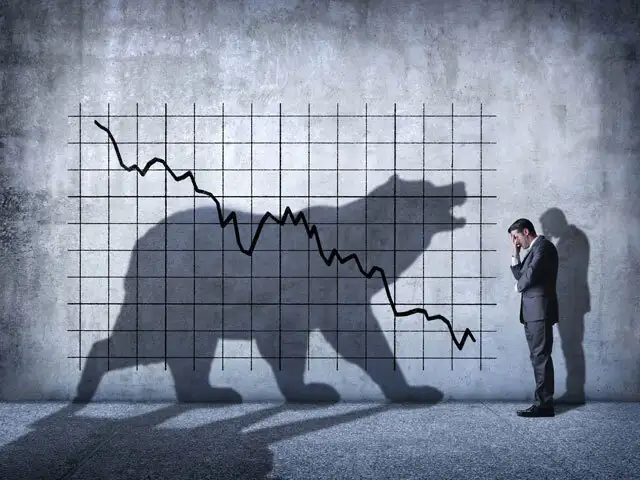
2. Bears Bears are the polar opposite of bulls. They are pessimistic about the stock market and believe that prices are likely to fall. They are so sure that they even sell shares they don’t own. When shares consistently decline, it is called a bear market.
3. Rabbits Rabbits buy shares for very short durations, ranging from a couple of weeks to intra-day buying and selling. Rabbits can make money very quickly, but need to be lucky all the time. They also incur high transaction costs due to frequent trading and the gains attract 15% tax.
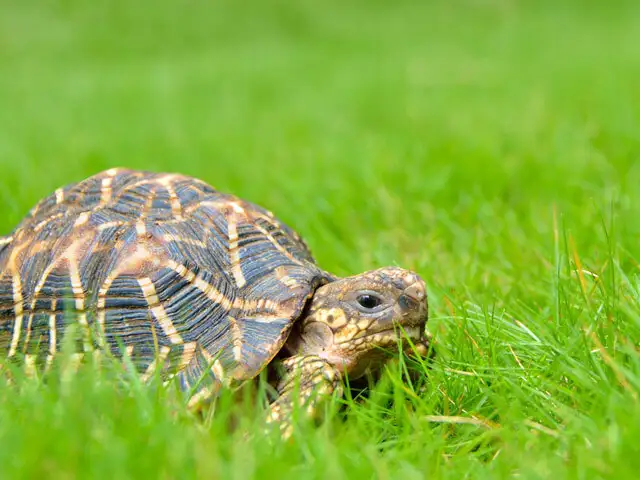
4. Tortoises Unlike the overactive rabbits, tortoises invest slowly and steadily. The typical tortoise is the longtime SIP investor or the index ETF buyer who keep plodding on despite volatility in the stock market. Tortoises win in the long term but can earn better returns if they are a little more active.
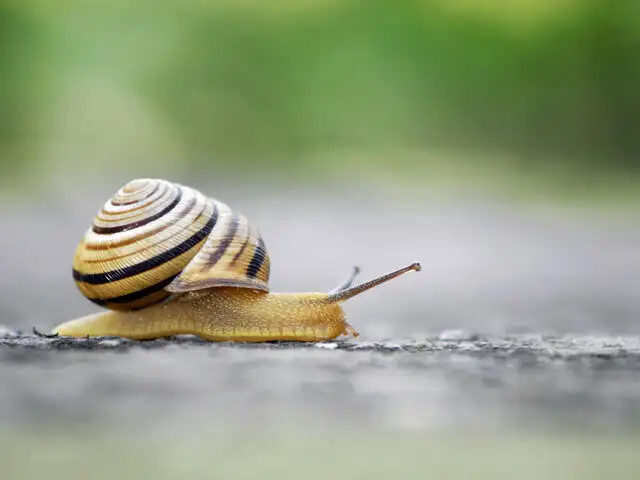
5. Snails Some investors are content with very low returns. They will put money in low-yield traditional life insurance policies or in bank deposits. Some even let their money idle in a savings bank account. Snails don’t realise that their money loses value due to inflation.
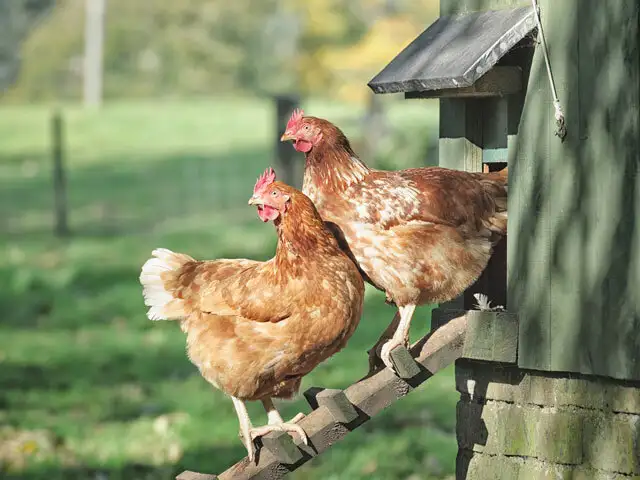
6. Chickens These are investors who easily get unnerved when markets tumble. Chickens tend to invest at random. They get drawn to the market on the basis of tips after a big bull run and panic when stock prices turn volatile. Chicken often lose more than they gain.
Animal instincts that stock market investors have
1/12
(Based on text by ET Bureau)
Most investors understand what bulls and bears stand for in the stock market. Some may even know what a dead cat bounce is but that's not it. There are more animals in the investing world. From pigs to sharks to ostriches, each of these terms denotes distinct traits of investors in the market. We examine the financial traits of some of these creatures. Read on to know which of them is you.
(Based on text by ET Bureau)Most investors understand what bulls and bears stand for in the stock market. Some may even know what a dead cat bounce is but that's not it. There are more animals in the..
Read More
Bears are pessimists of the stock market. Just like a bearish market denotes a falling or beaten down market, these investors believe that prices are likely to fall. This belief runs so deep that they even sell shares they don’t own. When shares consistently fall, you have a what is called a bear market.
Bears are pessimists of the stock market. Just like a bearish market denotes a falling or beaten down market, these investors believe that prices are likely to fall. This belief runs so deep that the..
Read More
Bulls are investors who are optimistic about the stock market. They are the complete opposite of bears and believe that prices will continue to rise. One can be bullish about individual stocks, a sector/theme or the market as a whole. A sustained uptrend is called a bull run.
Bulls are investors who are optimistic about the stock market. They are the complete opposite of bears and believe that prices will continue to rise. One can be bullish about individual stocks, a sec..
Read More
Some investors are content with minimal returns. They will put money in low-yield traditional life insurance policies or in bank deposits. Some even let their money idle in a savings bank account. Little do they realise, their money loses value due to inflation.
Some investors are content with minimal returns. They will put money in low-yield traditional life insurance policies or in bank deposits. Some even let their money idle in a savings bank account. Li..
Read More
Rabbits buy shares for very short periods of time, ranging from a couple of weeks to intra-day buying and selling. Rabbits can make quick money but need to be lucky all the time for that to happen. They also incur high transaction costs due to the frequency of trading and such gains attract 15% tax.
Rabbits buy shares for very short periods of time, ranging from a couple of weeks to intra-day buying and selling. Rabbits can make quick money but need to be lucky all the time for that to happen. T..
Read More
Unlike the overactive rabbits, tortoises invest slowly and steadily. The typical tortoise is the longtime SIP investor or the index ETF buyer who keeps plodding on despite volatility in the stock market. Tortoises win in the long term, for they stay put, but could earn better returns if they were a little more active.
Unlike the overactive rabbits, tortoises invest slowly and steadily. The typical tortoise is the longtime SIP investor or the index ETF buyer who keeps plodding on despite volatility in the stock mar..
Read More
These are investors who easily get unnerved when markets tumble. Chickens tend to invest at random. They get drawn to the market on the basis of tips after a big bull run and panic when stock prices turn volatile. Their reactions are not stable, often jumping from one extreme to another. Chicken often lose more than they gain.
These are investors who easily get unnerved when markets tumble. Chickens tend to invest at random. They get drawn to the market on the basis of tips after a big bull run and panic when stock prices ..
Read More
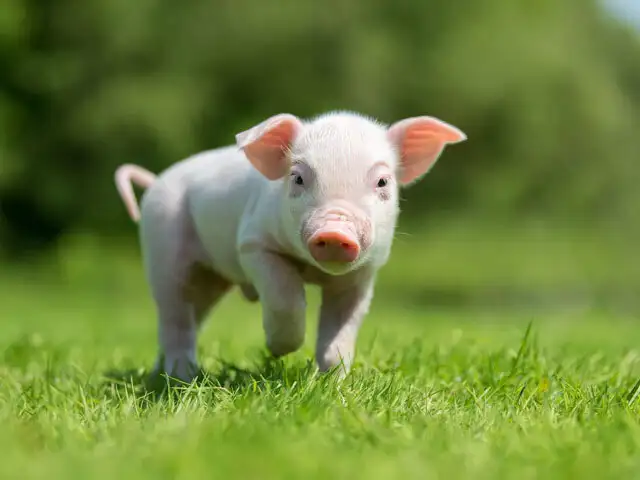
Often, investors who make good money on their initial bets, turn greedy and unrealistic. These are pig investors who have very high expectations and hold on to stocks or even hoard more in the hope and lure of greater gains. Pigs are the biggest stock market losers.
Often, investors who make good money on their initial bets, turn greedy and unrealistic. These are pig investors who have very high expectations and hold on to stocks or even hoard more in the hope a..
Read More
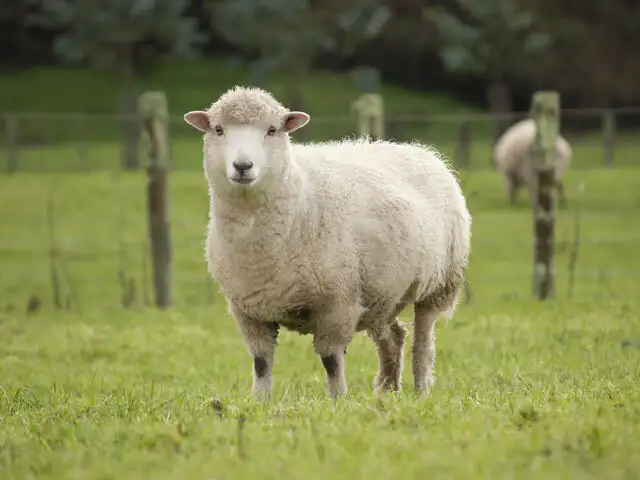
Sheep investors have a herd mentality and blindly follow suggestions from investment advisers, SMS tips, TV anchors, friends and family and other financial gurus without carefully analysing if the investment works for them and their goals or not. Being followers of trends or fads, sheep are the last to enter bull markets and exit bear markets also late.
Sheep investors have a herd mentality and blindly follow suggestions from investment advisers, SMS tips, TV anchors, friends and family and other financial gurus without carefully analysing if the in..
Read More
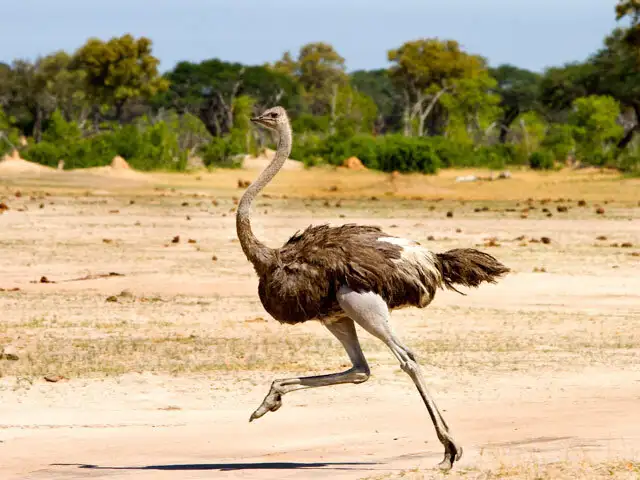
Many investors suffer from a confirmation bias. They seek information that supports their own beliefs and disregard views that don’t. Just like an ostrich buries its head in sand when faced with danger, these investors too turn a deaf ear to negative news. As the market rebound from March lows has shown, this can sometimes work in your favour. However, one should still stay in line with the market reality and not be blinded by self beliefs.
Many investors suffer from a confirmation bias. They seek information that supports their own beliefs and disregard views that don’t. Just like an ostrich buries its head in sand when faced with dang..
7. Pigs Often, investors who make good money on their initial bets, turn greedy and unrealistic. These are pig investors who have very high expectations and hold on to stocks (or buy more) in the hope of even greater gains. Pigs are the biggest losers in the stock markets.
8. Ostriches Many investors suffer from a confirmation bias. They seek information that supports their own beliefs and disregard views that don’t. Like an ostrich buries its head in sand when faced with danger, these investors turn away from negative news. As the market rebound from March lows has shown, this can sometimes work in your favour. But one should not ignore market realities.
9. Sharks Sharks are dangerous for investors. They lure retail investors with promises of very high gains on obscure stocks. Working in a team, sharks will push up the stock price by trading among themselves. When the price is very high, they dump the stock on unsuspecting buyers and vanish.
ADVERTISEMENT
10. Whales These are not individuals but large institutional investors with very deep pockets. Whales such as FIIs and domestic institutional investors move slowly but have the potential to change the market mood with their mega-sized transactions. Small investors should watch what whales are doing to know where the markets are headed.
11. Sheep Sheep investors have a herd mentality and blindly follow suggestions from investment advisers, SMS tips, TV anchors and other financial gurus without ascertaining if the investment suits them or not. Being followers of trends, they are the last to enter bull markets and exit bear markets late.