
Your travel insurance claim can be rejected even when you are fully covered; 5 things people get wrong

1/7
Your travel insurance will not pay out if you make these filing mistakes; here is exactly what to do
Most travel insurance claims in India get delayed or rejected not because the incident was not covered, but because travellers did not notify in time, filed the wrong documents, or missed a step. The process is straightforward once you know it.
The golden rule: notify your insurer within 24 hours of any incident. Not after recovery. Not on the flight home. Immediately.
The golden rule: notify your insurer within 24 hours of any incident. Not after recovery. Not on the flight home. Immediately.
2/7
Step one is not filling a form; it is making one phone call the moment something goes wrong
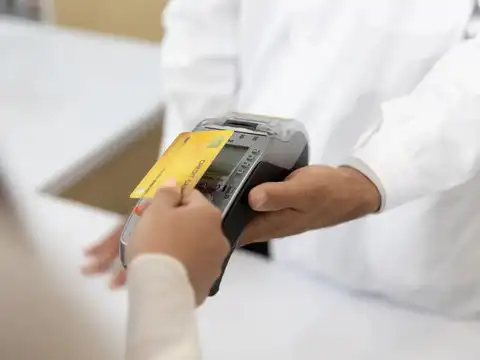
Before receipts, before paperwork, before anything else — call your insurer. For medical emergencies, contact their Third-Party Administrator (TPA) or Assistance Service Provider directly. They can arrange cashless hospitalisation on the spot, so you do not have to pay upfront and claim later.
Medical emergency
Call TPA or Assistance Provider (e.g. Europ Assistance) immediately; cashless hospitalisation can be arranged directly with the hospital
All other incidents
Notify insurer within 24 hours via their app or online portal — ICICI Lombard, Bajaj Allianz, and most major insurers have dedicated claim portals
Medical emergency
Call TPA or Assistance Provider (e.g. Europ Assistance) immediately; cashless hospitalisation can be arranged directly with the hospital
All other incidents
Notify insurer within 24 hours via their app or online portal — ICICI Lombard, Bajaj Allianz, and most major insurers have dedicated claim portals
3/7
Every travel insurance claim needs these five documents; regardless of what happened
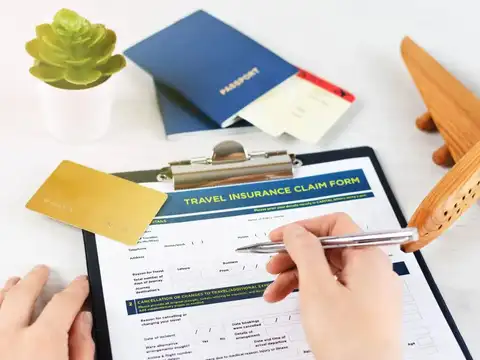
No matter the incident, medical, baggage, delay, or passport loss, these are the baseline documents every insurer in India will ask for. Have these ready before you file anything else.
Completed and signed claim form
Available on your insurer's app, website, or claim portal
Policy certificate
Your original travel insurance policy document
Passport copy with entry/exit stamps
Confirms you were actually at the travel destination when the incident occurred
Original tickets or boarding passes
Proof of travel destination and dates
Cancelled CTS 2010-compliant cheque or bank details
Required for NEFT reimbursement directly into your account
Completed and signed claim form
Available on your insurer's app, website, or claim portal
Policy certificate
Your original travel insurance policy document
Passport copy with entry/exit stamps
Confirms you were actually at the travel destination when the incident occurred
Original tickets or boarding passes
Proof of travel destination and dates
Cancelled CTS 2010-compliant cheque or bank details
Required for NEFT reimbursement directly into your account
Amazon Top Deals
POWERED BY

Crompton Ozone 75 Litres Desert Air Cooler for home | Large & Easy Clean Ice Chamber | 4-Way Air Deflection | High Density Honeycomb Pads | Everlast Pump | Auto Fill| 3 Year Brand Warranty
₹9,798Buy Now43%
OFF

LG 32 L Convection Microwave Oven (MC3286BRUM, Black, 360° Motorised Rotisserie for Bar-be-queing, 301 Auto Cook Menu, Stainless steel cavity, Indian Cuisine, Tandoor Se, Steam Clean & Diet Fry)
₹19,340Buy Now19%
OFF
4/7
Lost baggage, hospitalisation, trip delay; each one needs a different set of proof
On top of the standard documents, every incident type has its own specific evidence requirement. Getting this wrong is the second most common reason claims are delayed.
Medical
Hospital bills, discharge summary, pharmacy receipts, photo ID
Lost/delayed baggage
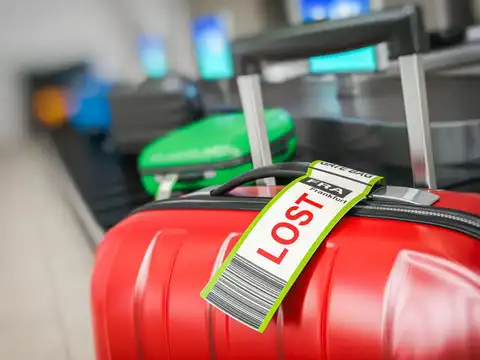
Property Irregularity Report (PIR) from airline, baggage tags, itemised list of lost items
Lost passport
FIR from local police station, receipts for duplicate passport expenses
Trip delay/cancellation
Written confirmation from airline stating exact duration and reason
Financial emergency/robbery
FIR filed within 24 hours of the incident from local police
Medical
Hospital bills, discharge summary, pharmacy receipts, photo ID
Lost/delayed baggage
Property Irregularity Report (PIR) from airline, baggage tags, itemised list of lost items
Lost passport
FIR from local police station, receipts for duplicate passport expenses
Trip delay/cancellation
Written confirmation from airline stating exact duration and reason
Financial emergency/robbery
FIR filed within 24 hours of the incident from local police

5/7
You have 30 to 60 days to file; but waiting that long is a mistake
Most Indian insurers allow 30 to 60 days from the date of incident to submit your claim. But memories fade, documents get lost, and airlines stop responding. File as soon as you have everything — ideally within days of returning home.
Submit digitally through the insurer's portal or app
Upload scanned copies of all documents, most major insurers in India process digital claims faster than physical ones
Add your bank details carefully
A wrong IFSC code or account number can delay your reimbursement by weeks
Keep proof of every document you submit
Screenshot your upload confirmation — you will need it if you have to follow up
Reimbursement claims: you pay upfront, then get refunded. Cashless claims: insurer settles directly with the hospital or service provider.
Submit digitally through the insurer's portal or app
Upload scanned copies of all documents, most major insurers in India process digital claims faster than physical ones
Add your bank details carefully
A wrong IFSC code or account number can delay your reimbursement by weeks
Keep proof of every document you submit
Screenshot your upload confirmation — you will need it if you have to follow up
Reimbursement claims: you pay upfront, then get refunded. Cashless claims: insurer settles directly with the hospital or service provider.

6/7
Five things travellers do that get their claims rejected, even when they are fully covered
The policy covered the incident. The documents were filed. And yet — claim rejected. Here is why it happens and how to make sure it does not happen to you.
Notifying the insurer too late
24 hours is the standard window — missing it gives insurers grounds to reject regardless of coverage
Not filing an FIR for theft or loss
No FIR within 24 hours of a robbery or lost passport = no claim. File it locally, even abroad.
Submitting incomplete documents
A missing discharge summary or unsigned claim form can stall the entire process
Providing inaccurate information
Any inconsistency between your claim and your policy details triggers scrutiny — be precise
Not following up after submission
Claims do not always move on their own — check in by email or call to track progress
Notifying the insurer too late
24 hours is the standard window — missing it gives insurers grounds to reject regardless of coverage
Not filing an FIR for theft or loss
No FIR within 24 hours of a robbery or lost passport = no claim. File it locally, even abroad.
Submitting incomplete documents
A missing discharge summary or unsigned claim form can stall the entire process
Providing inaccurate information
Any inconsistency between your claim and your policy details triggers scrutiny — be precise
Not following up after submission
Claims do not always move on their own — check in by email or call to track progress

7/7
The travellers who get their claims paid fastest all do these four things
Claim success is less about luck and more about preparation. These habits separate quick, full settlements from months of back-and-forth with your insurer.
Document everything in real time
Photo every bill, receipt, and correspondence the moment it happens; do not rely on memory or hotel records later
Read your policy before you travel
Know what is covered, what is excluded, and what the notification window is; before you need to use it
Keep a paper trail of all insurer communication
Save every email, note every call; it protects you if there is a dispute later
Follow up, then follow up again
A submitted claim is not a settled claim. Check status regularly until the money is in your account.
The best time to understand your travel insurance policy is before your trip; not when you are sitting in a foreign hospital trying to reach a call centre.
Document everything in real time
Photo every bill, receipt, and correspondence the moment it happens; do not rely on memory or hotel records later
Read your policy before you travel
Know what is covered, what is excluded, and what the notification window is; before you need to use it
Keep a paper trail of all insurer communication
Save every email, note every call; it protects you if there is a dispute later
Follow up, then follow up again
A submitted claim is not a settled claim. Check status regularly until the money is in your account.
The best time to understand your travel insurance policy is before your trip; not when you are sitting in a foreign hospital trying to reach a call centre.