
Liability-only car insurance in India: Coverage, exclusions and claim documents
1/8
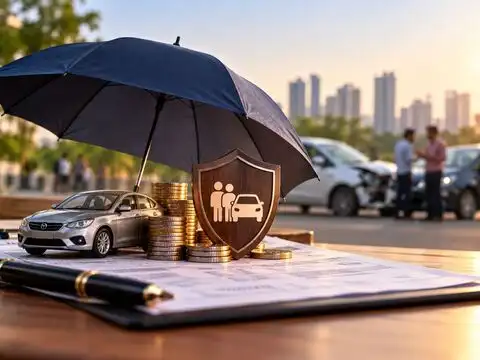
Drive without this cover and you could lose your car
Every car on an Indian road, whether it is moving or simply parked in a public place, must carry at least a valid third-party liability policy. This is the law under Section 146 of the Motor Vehicles Act, 1988. If you are stopped without it, you can face heavy fines, have your vehicle impounded, or even be taken to court. It is one of the easiest traffic offences to avoid, and one of the costliest to ignore.
2/8
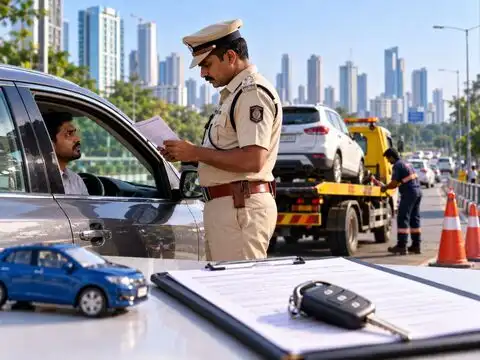
The cheapest car insurance is also the most misunderstood
Liability-only cover, also called third-party or “act-only” insurance, is the most basic motor policy you can buy. Here is the catch: it does not protect your car at all. It protects you from the bills that follow when you harm another person or damage their property. Think of it as the legal minimum, not a safety net for your own vehicle.
3/8
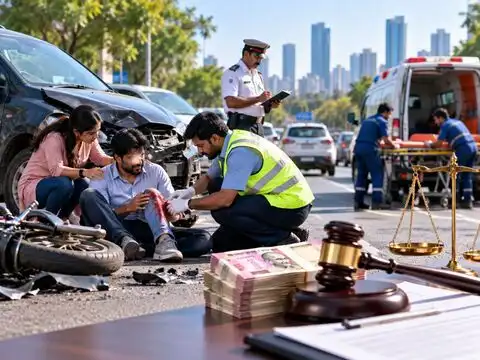
Hurt someone on the road? This policy pays, with no upper limit
If your car injures or kills a pedestrian, a cyclist or a passenger in another vehicle, this policy steps in. It covers their medical costs and your legal fees. It also pays the compensation decided by the Motor Accidents Claims Tribunal (MACT). There is no cap on this compensation for injury or death, and that is the biggest reason this cover exists. One serious accident without it could mean a lifetime of debt.
4/8
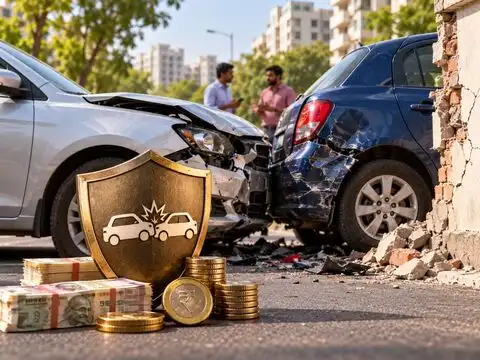
Crashed into someone’s car or wall? You’re covered up to ₹7.5 lakh
The policy also pays when your car damages someone else’s property. That includes another vehicle, a building or a boundary wall. Repair or replacement costs are covered up to ₹7.5 lakh. If the damage costs more than that, the extra amount comes out of your own pocket, so it pays to drive carefully in crowded areas.
5/8
You get a free ₹15 lakh safety net, too
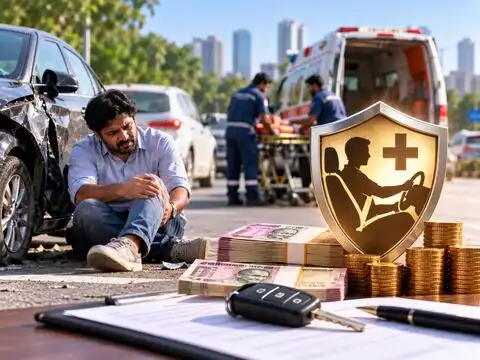
Most of this policy protects other people, but you are not left out. Every liability-only policy includes a mandatory personal accident cover of ₹15 lakh for the owner-driver. If you die in an accident or suffer permanent total disability while driving your car, this amount is paid out. It is a small but valuable bonus that many owners do not know they have.
6/8
Your own car gets zero protection. Here’s what’s not covered
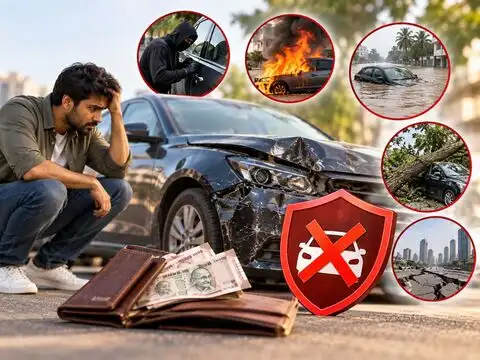
Dent, scratch or total wreck, your own repair bill is yours to pay. Theft, fire, riots and vandalism are not covered. Floods, earthquakes, cyclones and even a falling tree are also excluded. You cannot add extras like zero depreciation, engine protection or roadside assistance either. To cover any of this, you need a standalone own-damage policy or a comprehensive plan.
7/8
Why it’s so cheap, and who should actually buy it
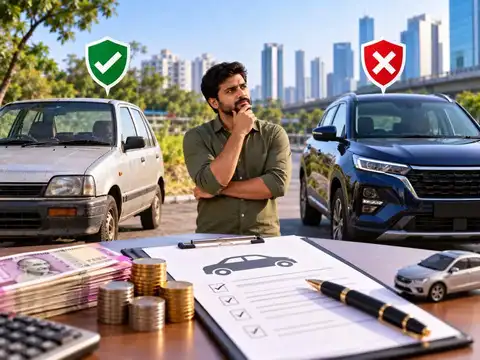
The premium is fixed and revised by IRDAI based on your car’s engine size (cc), so every insurer charges the same rate. Because the cover is limited to third-party claims, it costs far less than a comprehensive plan. It suits older cars with low resale value, budget-conscious owners and people who rarely drive. If your car is new or expensive, or you live in a high-traffic or theft-prone area, go for comprehensive cover instead.
8/8
Keep these papers ready before you ever need to claim
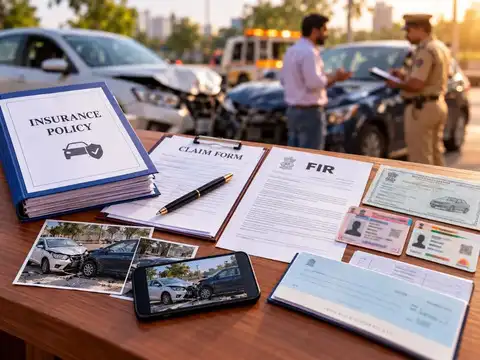
A claim moves faster when your documents are in order. Keep these ready:
*Your insurance policy copy or cover note
*A signed claim form
*A copy of the police FIR (mandatory for injury, death or property damage)
*Your vehicle’s Registration Certificate (RC)
*The driving licence of whoever was at the wheel
*ID and address proof, such as PAN or Aadhaar
*Photos or videos of the accident scene and damage
*Any MACT notice or court summons you receive
*A cancelled cheque or passbook copy for payouts
*Your insurance policy copy or cover note
*A signed claim form
*A copy of the police FIR (mandatory for injury, death or property damage)
*Your vehicle’s Registration Certificate (RC)
*The driving licence of whoever was at the wheel
*ID and address proof, such as PAN or Aadhaar
*Photos or videos of the accident scene and damage
*Any MACT notice or court summons you receive
*A cancelled cheque or passbook copy for payouts