
8 critical mistakes that can get your health insurance claim rejected
1/9
Avoid claim rejection: 8 critical health insurance mistakes explained
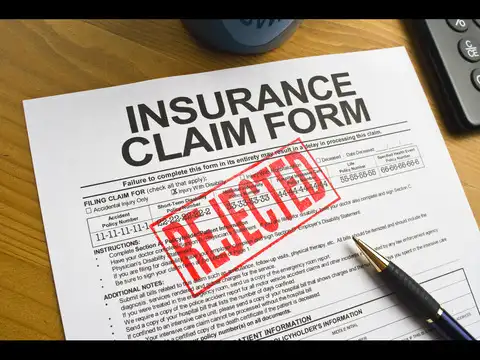
Health insurance is designed to protect you during medical emergencies, but even minor mistakes can result in claim rejection. Many policyholders lose out because of document errors, missing disclosures, or incorrect hospital records. By being aware of these common mistakes, you can steer clear of unnecessary stress and financial loss. Here are the key mistakes you should watch out for.

2/9
Mistake 1: Errors in discharge summary
Incorrect details in hospital discharge summaries can create serious problems. If an illness or condition is incorrectly noted, insurers might classify it as a pre-existing condition. Even a small typo or wrong diagnosis can lead to claim rejection. Always review the discharge summary carefully and get any errors corrected immediately before leaving the hospital.

3/9
Mistake 2: Mention of undeclared pre-existing diseases
If your medical records indicate a condition that you didn’t mention when purchasing the policy, insurers may reject your claim. Sometimes, doctors may wrongly record a suspected illness as confirmed. Insurers rely heavily on these records, so even an incorrect entry can be treated as non-disclosure. This makes accurate medical history extremely important.
Amazon Top Deals
POWERED BY

Crompton Ozone 75 Litres Desert Air Cooler for home | Large & Easy Clean Ice Chamber | 4-Way Air Deflection | High Density Honeycomb Pads | Everlast Pump | Auto Fill| 3 Year Brand Warranty
₹9,798Buy Now43%
OFF

LG 32 L Convection Microwave Oven (MC3286BRUM, Black, 360° Motorised Rotisserie for Bar-be-queing, 301 Auto Cook Menu, Stainless steel cavity, Indian Cuisine, Tandoor Se, Steam Clean & Diet Fry)
₹19,340Buy Now19%
OFF

4/9
Mistake 3: Not checking hospital records during admission
Most people only review documents at discharge, but errors often begin at admission. Doctors prepare initial notes based on what they are told, and mistakes can creep in early. Asking for admission records and verifying details at the start helps catch errors sooner, making corrections easier and preventing complications during claim processing.

5/9
Mistake 4: Incomplete or incorrect medical history
Failing to share full and accurate medical history with doctors can lead to mismatched records. If doctors note incorrect or incomplete information, it may later clash with your insurance disclosures. Carrying past prescriptions, reports, and test results ensures doctors record the correct details, reducing the risk of claim disputes.
6/9
Mistake 5: Ignoring small documentation mistakes
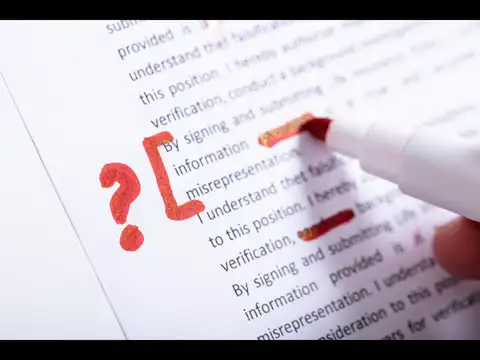
Minor errors like wrong duration of illness, spelling mistakes, or incorrect abbreviations can have big consequences. For example, a condition mentioned as lasting six years instead of two can trigger rejection. These small details are often overlooked but can change how insurers assess your claim.

7/9
Mistake 6: Not maintaining past medical records
Without proper records, it becomes difficult to prove your medical history. If a doctor wrongly mentions a condition, you may not have evidence to challenge it. Keeping diagnostic reports, prescriptions, and test results, either physically or digitally, helps you counter incorrect claims and strengthen your case during disputes.

8/9
Mistake 7: Delaying correction of hospital errors
If you spot an error, act immediately. Delays can make corrections harder once records are finalised. Contact the hospital, request a correction letter, and get it signed by the treating doctor. In some cases, insurers may even ask for a notarised letter. Prompt action improves your chances of successful claim approval.

9/9
Mistake 8: Giving up after claim rejection
Many policyholders stop after a claim is rejected, but persistence matters. You can approach the insurer’s grievance cell, submit corrected documents, and escalate the issue if needed. If the problem continues, you can contact the insurance ombudsman or consumer court. Many claims are eventually settled after proper follow-up and escalation.
READ MORE:
health insurance claim rejection |Health insurance claim |Health insurance claim rejection reasons |Health insurance claim rejection complaint |Health insurance application rejected India |What to do if insurance company denies your claim in India |Why does a health insurance claim get rejected? |What are the most common claims rejections?