
Reverse mortgage: Your house could pay you back but there's a catch

1/8
What if your house paid you?
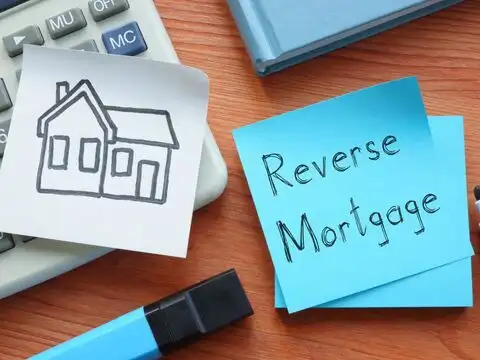
Most people spend decades paying off a home loan. A reverse mortgage flips that idea on its head.
If you're a senior citizen aged 60 or above and you own a debt-free home, you can turn that property into a steady stream of income, without selling it, without moving out, and without making a single monthly repayment.
Sounds too good to be true? Let's break down exactly how it works, who it helps, and where it can go wrong.
If you're a senior citizen aged 60 or above and you own a debt-free home, you can turn that property into a steady stream of income, without selling it, without moving out, and without making a single monthly repayment.
Sounds too good to be true? Let's break down exactly how it works, who it helps, and where it can go wrong.
2/8
How a reverse mortgage actually works
You mortgage your house to a bank or housing finance company. In return, they pay you, monthly, quarterly, yearly, as a lump sum, or as a line of credit you draw from whenever you need it.
You keep living in your home. You keep the title. The lender only gets repaid later, when you pass away, sell the house, or permanently move out.
The catch: interest quietly builds up on every payment you receive, for the entire time you hold the loan.
You keep living in your home. You keep the title. The lender only gets repaid later, when you pass away, sell the house, or permanently move out.
The catch: interest quietly builds up on every payment you receive, for the entire time you hold the loan.
3/8
Who qualifies, and for how long
You need to be 60 or older and own your home outright, with no outstanding debt on it. The loan amount depends on three things: your age, your home's market value, and the current interest rate.
The maximum loan tenure is 20 years. Lenders re-value your property at least once every five years, and your payments can change based on that new valuation.
There are no restrictions on how you use the money — except for one big one, covered next.
The maximum loan tenure is 20 years. Lenders re-value your property at least once every five years, and your payments can change based on that new valuation.
There are no restrictions on how you use the money — except for one big one, covered next.
Amazon Top Deals
POWERED BY

Crompton Ozone 75 Litres Desert Air Cooler for home | Large & Easy Clean Ice Chamber | 4-Way Air Deflection | High Density Honeycomb Pads | Everlast Pump | Auto Fill| 3 Year Brand Warranty
₹9,798Buy Now43%
OFF

LG 32 L Convection Microwave Oven (MC3286BRUM, Black, 360° Motorised Rotisserie for Bar-be-queing, 301 Auto Cook Menu, Stainless steel cavity, Indian Cuisine, Tandoor Se, Steam Clean & Diet Fry)
₹19,090Buy Now20%
OFF
4/8
What you can (and can't) use the money dor
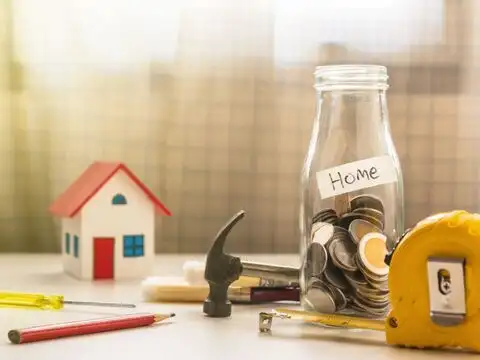
Reverse mortgage funds are commonly used to renovate a home, cover medical emergencies, or simply supplement a shrinking retirement income.
What you cannot do is use this money for speculation, trading, or business purposes. Regulators built this rule in specifically to protect elderly borrowers from risky financial decisions in their later years.
For someone with limited savings, this loan can become a genuine lifeline rather than just another form of debt.
What you cannot do is use this money for speculation, trading, or business purposes. Regulators built this rule in specifically to protect elderly borrowers from risky financial decisions in their later years.
For someone with limited savings, this loan can become a genuine lifeline rather than just another form of debt.
5/8
The real appeal: Peace of mind
Beyond the money, reverse mortgages offer something harder to quantify: dignity and independence.
Seniors don't have to depend on their children for financial support. They don't have to worry about rent or an unpredictable real estate market, because they never leave their own home. And because there's no mandatory monthly repayment during their lifetime, there's no looming due date hanging over them.
For many elderly homeowners, that mental relief is the whole point.
Seniors don't have to depend on their children for financial support. They don't have to worry about rent or an unpredictable real estate market, because they never leave their own home. And because there's no mandatory monthly repayment during their lifetime, there's no looming due date hanging over them.
For many elderly homeowners, that mental relief is the whole point.

6/8
The debt that grows while your equity shrinks
Here's the part lenders won't put on a billboard: because you're not making payments, interest and fees keep compounding on top of what you've already borrowed.
Over 15 or 20 years, that debt can balloon dramatically — while the actual equity you own in your home shrinks at the same pace. This is widely considered the single biggest disadvantage of a reverse mortgage.
High origination costs make it worse. These upfront fees get added straight into your loan balance and start accruing interest immediately.
Over 15 or 20 years, that debt can balloon dramatically — while the actual equity you own in your home shrinks at the same pace. This is widely considered the single biggest disadvantage of a reverse mortgage.
High origination costs make it worse. These upfront fees get added straight into your loan balance and start accruing interest immediately.
7/8
Your family inherits less, or nothing at all
When you die or permanently leave the house, the loan must be repaid in full, typically by selling the property.
That means your heirs may inherit a much smaller amount than expected, or may need to sell a home they hoped to keep. There's also a strict residency rule: if you move into a nursing home or live elsewhere for more than a year, the entire loan can become due immediately.
You can still lose the home to foreclosure if you fall behind on property taxes, insurance, or basic upkeep.
That means your heirs may inherit a much smaller amount than expected, or may need to sell a home they hoped to keep. There's also a strict residency rule: if you move into a nursing home or live elsewhere for more than a year, the entire loan can become due immediately.
You can still lose the home to foreclosure if you fall behind on property taxes, insurance, or basic upkeep.

8/8
Is a reverse mortgage right for you?
The good news: reverse mortgages carry a "no negative equity" guarantee. You or your heirs will never owe more than what the house is actually worth when it's sold, as long as loan terms were met.
You can also prepay the loan anytime, with no penalty, to release the mortgage without selling.
This isn't a decision to make quickly. Weigh the freedom from monthly payments against the shrinking inheritance for your family and talk to a financial advisor before you sign anything.
You can also prepay the loan anytime, with no penalty, to release the mortgage without selling.
This isn't a decision to make quickly. Weigh the freedom from monthly payments against the shrinking inheritance for your family and talk to a financial advisor before you sign anything.