
Idle money in your bank account? Your bank balance could be losing value; here’s how to fix it

1/7
Your savings account is quietly losing you money; here's why
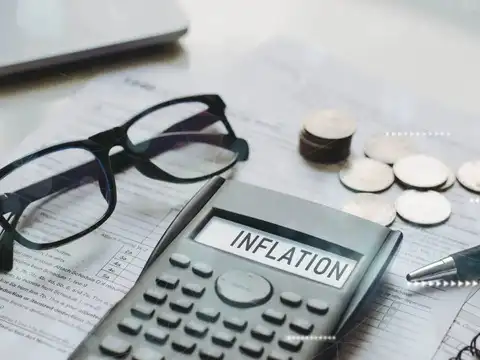
That "safe" cash sitting in your savings account isn't as safe as it feels. Banks typically pay 2.5% to 4% interest, but inflation usually runs at 5% to 6%. That gap means every rupee you leave untouched is buying less than it did last year. It's not a dramatic loss you'll notice overnight - it's a slow leak that adds up. Here's what idle money is really costing you, and what to do instead.
2/7
The silent tax called inflation
Think of inflation as a tax nobody sends you a bill for. If your bank pays you 3% interest but prices are climbing 6% a year, your money's real purchasing power is shrinking even as the number in your account grows. You're technically earning interest, but you're losing value. Over several years, that gap compounds, and the cash you were "saving" ends up buying noticeably less than when you first put it away.

3/7
Fees are eating your balance too
It's not just inflation working against you. Debit card annual charges and SMS alert fees get deducted automatically, no matter how much you use your account. Let your balance drift below the bank's Minimum Average Balance requirement, and you could face non-maintenance penalties as steep as 6% of the shortfall. An account you've forgotten about can still be quietly draining itself.
Amazon Top Deals
POWERED BY

Crompton Ozone 75 Litres Desert Air Cooler for home | Large & Easy Clean Ice Chamber | 4-Way Air Deflection | High Density Honeycomb Pads | Everlast Pump | Auto Fill| 3 Year Brand Warranty
₹9,798Buy Now43%
OFF

LG 32 L Convection Microwave Oven (MC3286BRUM, Black, 360° Motorised Rotisserie for Bar-be-queing, 301 Auto Cook Menu, Stainless steel cavity, Indian Cuisine, Tandoor Se, Steam Clean & Diet Fry)
₹19,090Buy Now20%
OFF
4/7
Ignore it long enough, and the bank will notice
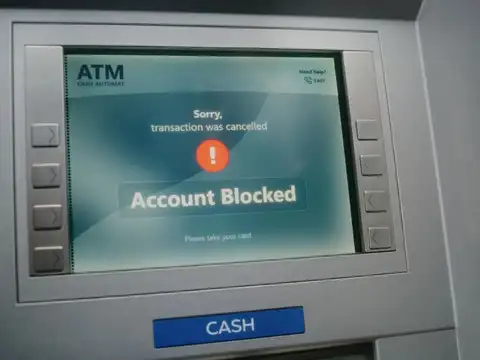
Skip transactions for over a year, and your account can be flagged as inactive, cutting off services like phone banking, ATM access, and third-party transfers until you reactivate it. Go two years without activity, and it may be marked fully dormant, blocking you from any transactions at all until you formally request reactivation. The simplest fix: transact at least once a month, or close the account altogether.
5/7
Idle cash also tempts you to spend
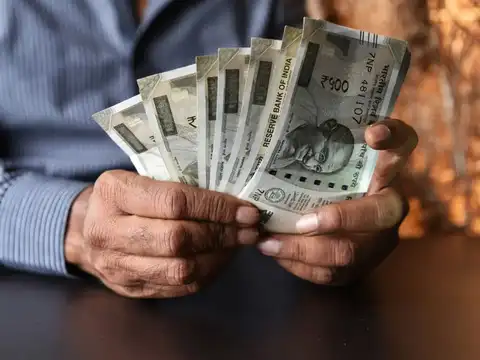
There's a behavioral cost too. Research on spending habits shows that a large, easily accessible balance sitting in your everyday account makes impulse purchases more tempting. Money that's meant to be a safety net can end up quietly funding things you didn't plan to buy, simply because it's sitting right there.
6/7
What to do instead: Keep an emergency fund, move the rest
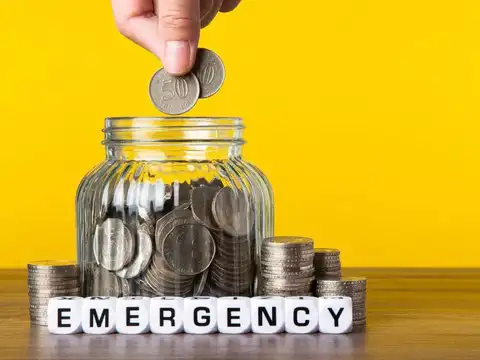
The fix isn't to drain your account, it's to be intentional about it. Financial experts generally suggest keeping 3 to 6 months of expenses as an emergency fund in your savings account, then moving any surplus into higher-yield, still-liquid options like short-term debt instruments or liquid mutual funds. These can push your returns from the usual 2–3% up toward 6–7%, while still keeping your money accessible when you need it.

7/7
The bottom line: Idle money isn't neutral, it's losing
Multiple savings accounts can be genuinely useful, better service, employer-linked payroll accounts, rewards programs, cashback offers. But every account you're not actively using is working against you: through inflation, through fees, through dormancy risk, and through missed higher returns. The move is simple, actively manage every account you keep, and either use it, invest the surplus, or close it.