
Going abroad for work? A 8-point smart financial checklist for expats like you

1/8
Working abroad? Smart financial planning is the key to staying secure
Working abroad can significantly boost your career and income, but it also introduces new financial complexities. Currency conversions, cross-border banking, tax compliance, and managing expenses in a new country can quickly become overwhelming if you are not prepared.
Many professionals focus heavily on salary when moving overseas but underestimate how much banking fees, taxes, and exchange rates can impact their actual savings.
Managing money abroad successfully requires a proactive strategy. You need the right banking setup, a clear budget aligned with your host country’s cost of living, and proper tax planning to avoid legal complications.
With the right system in place, working abroad can help you build wealth faster while maintaining financial stability back home.
Many professionals focus heavily on salary when moving overseas but underestimate how much banking fees, taxes, and exchange rates can impact their actual savings.
Managing money abroad successfully requires a proactive strategy. You need the right banking setup, a clear budget aligned with your host country’s cost of living, and proper tax planning to avoid legal complications.
With the right system in place, working abroad can help you build wealth faster while maintaining financial stability back home.

2/8
Start with smart banking setup to avoid hidden fees
One of the first financial decisions after relocating abroad should be setting up the right banking structure.
Opening a local bank account in your host country is essential because it allows you to receive salary, pay rent, and manage daily expenses without costly international transaction charges.
At the same time, maintaining a bank account in your home country helps manage existing financial obligations such as insurance premiums, investments, or loan payments.
Many expats also use modern digital banking platforms to simplify international transfers and currency management.
Popular global fintech platforms include:* Wise
* Revolut
* N26
These platforms often offer better exchange rates and lower fees compared with traditional banks.
Opening a local bank account in your host country is essential because it allows you to receive salary, pay rent, and manage daily expenses without costly international transaction charges.
At the same time, maintaining a bank account in your home country helps manage existing financial obligations such as insurance premiums, investments, or loan payments.
Many expats also use modern digital banking platforms to simplify international transfers and currency management.
Popular global fintech platforms include:* Wise
* Revolut
* N26
These platforms often offer better exchange rates and lower fees compared with traditional banks.

3/8
Budgeting changes completely when you move abroad
Your financial habits must evolve when living in a new country because the cost of living can vary dramatically.
Expenses such as rent, groceries, healthcare, and transportation may differ significantly from what you were used to at home.
Financial planning tools such as Numbeo or Expatistan can help estimate the cost of living in your destination city before you relocate.
Once you understand your new expenses, create a budget tailored to your lifestyle abroad. Without a revised budget, even a higher salary may not translate into meaningful savings.
Expenses such as rent, groceries, healthcare, and transportation may differ significantly from what you were used to at home.
Financial planning tools such as Numbeo or Expatistan can help estimate the cost of living in your destination city before you relocate.
Once you understand your new expenses, create a budget tailored to your lifestyle abroad. Without a revised budget, even a higher salary may not translate into meaningful savings.
Amazon Top Deals
POWERED BY

Crompton Ozone 75 Litres Desert Air Cooler for home | Large & Easy Clean Ice Chamber | 4-Way Air Deflection | High Density Honeycomb Pads | Everlast Pump | Auto Fill| 3 Year Brand Warranty
₹9,798Buy Now43%
OFF

LG 32 L Convection Microwave Oven (MC3286BRUM, Black, 360° Motorised Rotisserie for Bar-be-queing, 301 Auto Cook Menu, Stainless steel cavity, Indian Cuisine, Tandoor Se, Steam Clean & Diet Fry)
₹19,340Buy Now19%
OFF

4/8
Follow a simple rule to balance spending and saving
A popular budgeting framework among expats is the 50/30/20 rule, which helps maintain financial discipline even in a new environment.
Here’s how it works:
* 50% for essentials: housing, utilities, food, transport
* 30% for lifestyle: travel, dining, entertainment
* 20% for savings and investments
Automating savings is also highly recommended. By automatically transferring money to savings or investment accounts every month, you ensure that wealth-building remains consistent even while adjusting to life abroad.
Here’s how it works:
* 50% for essentials: housing, utilities, food, transport
* 30% for lifestyle: travel, dining, entertainment
* 20% for savings and investments
Automating savings is also highly recommended. By automatically transferring money to savings or investment accounts every month, you ensure that wealth-building remains consistent even while adjusting to life abroad.
5/8
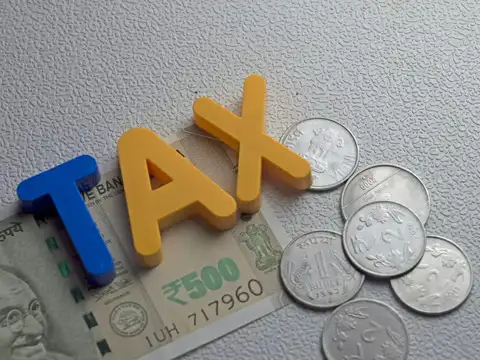
Understand tax residency to avoid costly mistakes
Taxes are often the most confusing aspect of working abroad.
In many countries, staying more than 183 days in a year may make you a tax resident there. This means you could be required to file taxes in that country.
To avoid paying tax twice on the same income, many nations have Double Taxation Avoidance Agreements (DTAAs).
Key practices include:
* Keeping salary slips and employment contracts
* Maintaining records of international transfers
* Filing taxes correctly in both jurisdictions if required
If your situation becomes complicated, consulting a tax expert who specializes in expat taxation can prevent expensive mistakes.
In many countries, staying more than 183 days in a year may make you a tax resident there. This means you could be required to file taxes in that country.
To avoid paying tax twice on the same income, many nations have Double Taxation Avoidance Agreements (DTAAs).
Key practices include:
* Keeping salary slips and employment contracts
* Maintaining records of international transfers
* Filing taxes correctly in both jurisdictions if required
If your situation becomes complicated, consulting a tax expert who specializes in expat taxation can prevent expensive mistakes.

6/8
Currency transfers can quietly eat your savings
* Exchange rate margins and transfer fees can significantly reduce the money you send home.
* Airport exchange kiosks and traditional bank transfers often charge higher spreads, which means you receive less value for your money.
* Instead of transferring money randomly, many expats automate periodic transfers at competitive rates using fintech platforms.
* This approach helps avoid the temptation of trying to “time” currency markets and ensures consistent financial planning.
* Airport exchange kiosks and traditional bank transfers often charge higher spreads, which means you receive less value for your money.
* Instead of transferring money randomly, many expats automate periodic transfers at competitive rates using fintech platforms.
* This approach helps avoid the temptation of trying to “time” currency markets and ensures consistent financial planning.

7/8
Protect yourself with insurance and long-term planning
Living abroad also means adjusting your financial safety net.
Domestic health insurance policies often do not cover long-term international stays. Expats therefore consider global health insurance plans offered by international insurers.
Other important financial steps include:
* Reviewing investment portfolios in your home country
* Updating KYC details for financial accounts
* Assigning a trusted person power of attorney to manage urgent financial or legal matters back home
These preparations ensure your finances remain stable even if unexpected situations arise while you are overseas.
Domestic health insurance policies often do not cover long-term international stays. Expats therefore consider global health insurance plans offered by international insurers.
Other important financial steps include:
* Reviewing investment portfolios in your home country
* Updating KYC details for financial accounts
* Assigning a trusted person power of attorney to manage urgent financial or legal matters back home
These preparations ensure your finances remain stable even if unexpected situations arise while you are overseas.

8/8
Special tips for Indians working abroad
For Indians moving overseas, certain financial adjustments are particularly important.
When leaving India for employment abroad, your resident savings account should typically be converted into a Non-Resident Ordinary (NRO) account. You may also open a Non-Resident External (NRE) account to receive foreign earnings that can be repatriated to India.
If you have an Employees' Provident Fund Organisation account, contributions may stop once you leave your job in India, but the balance can continue earning interest for a limited period.
Understanding these rules helps avoid compliance issues and ensures your financial future remains secure while you build your career globally.
Working abroad can be financially rewarding — but only if your money strategy travels with you.
When leaving India for employment abroad, your resident savings account should typically be converted into a Non-Resident Ordinary (NRO) account. You may also open a Non-Resident External (NRE) account to receive foreign earnings that can be repatriated to India.
If you have an Employees' Provident Fund Organisation account, contributions may stop once you leave your job in India, but the balance can continue earning interest for a limited period.
Understanding these rules helps avoid compliance issues and ensures your financial future remains secure while you build your career globally.
Working abroad can be financially rewarding — but only if your money strategy travels with you.