
Break the cycle: How a simple 'no-buy' rule is beating inflation one impulse at a time

1/7
The spending reset everyone's talking about
Millions of people are hitting pause on non-essential purchases, for a week, a month, or an entire year. It's called a no-buy challenge, and it's one of the fastest-growing personal finance trends right now. Rising inflation, subscription creep, and the relentless pace of online shopping have pushed people to ask a simple question: do I actually need this? The no-buy movement is their answer.

2/7
Stop buying what you want. Keep buying what you need
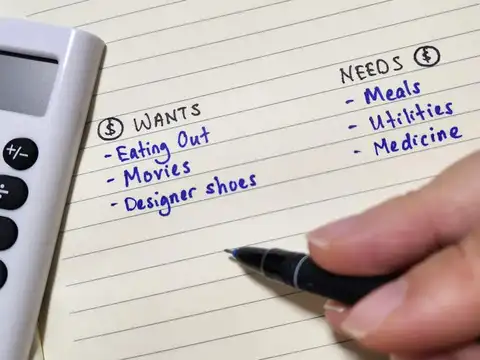
The core idea is straightforward. Essentials - rent, groceries, utilities, medicine, basic toiletries -are always allowed. Everything else goes on pause. That means no new clothes, no takeout, no gadgets, no home décor, no impulse buys from apps. It sounds restrictive, but most people who try it say the first week is the hardest. After that, the urge to browse and buy starts to quiet down on its own.

3/7
You make the rules. Then you stick to them
No two challenges look the same, and that's the point. Before you start, write down exactly what is and isn't allowed for you personally.
Total no-buy: nothing discretionary, full stop
Low-buy: a strict monthly cap per category (e.g. one item of clothing per month)
Category focus: target just one problem area, like fast fashion, takeout, or beauty products
Also set your exceptions upfront. Emergency repairs, medical needs, and replacing a finished essential (toothpaste, shampoo) are standard carve-outs. The more specific your rules, the harder it is to talk yourself into a loophole.
Total no-buy: nothing discretionary, full stop
Low-buy: a strict monthly cap per category (e.g. one item of clothing per month)
Category focus: target just one problem area, like fast fashion, takeout, or beauty products
Also set your exceptions upfront. Emergency repairs, medical needs, and replacing a finished essential (toothpaste, shampoo) are standard carve-outs. The more specific your rules, the harder it is to talk yourself into a loophole.
Amazon Top Deals
POWERED BY

Crompton Ozone 75 Litres Desert Air Cooler for home | Large & Easy Clean Ice Chamber | 4-Way Air Deflection | High Density Honeycomb Pads | Everlast Pump | Auto Fill| 3 Year Brand Warranty
₹9,798Buy Now43%
OFF

LG 32 L Convection Microwave Oven (MC3286BRUM, Black, 360° Motorised Rotisserie for Bar-be-queing, 301 Auto Cook Menu, Stainless steel cavity, Indian Cuisine, Tandoor Se, Steam Clean & Diet Fry)
₹18,780Buy Now22%
OFF

4/7
Willpower fades. Systems don't
The biggest mistake people make is relying on in-the-moment self-control. Instead, remove the temptation before it arrives. Unsubscribe from every retail email. Delete shopping apps from your phone. Remove saved card details from your browser. Pause or cancel subscriptions you don't rely on daily.
Then redirect the energy. Cook from what's already in your fridge and freezer. Restyle outfits you already own. Swap clothes with friends. Use your public library for books, films, and events. Many people are surprised by how much free entertainment they already have access to — they just never looked for it.
Then redirect the energy. Cook from what's already in your fridge and freezer. Restyle outfits you already own. Swap clothes with friends. Use your public library for books, films, and events. Many people are surprised by how much free entertainment they already have access to — they just never looked for it.

5/7
Less clutter. Less debt. More clarity
The financial gains are real. People who complete a no-buy year regularly report saving thousands — money that goes toward debt repayment, emergency funds, or meaningful goals. But the deeper shift is psychological. Tracking your near-purchases (the things you almost bought) reveals your spending triggers: boredom, stress, social comparison, late-night scrolling. Once you can name the trigger, you can interrupt the habit. Most participants say they come out of the challenge spending more intentionally even after the rules end.
6/7
Don't start with a year. Start with a week
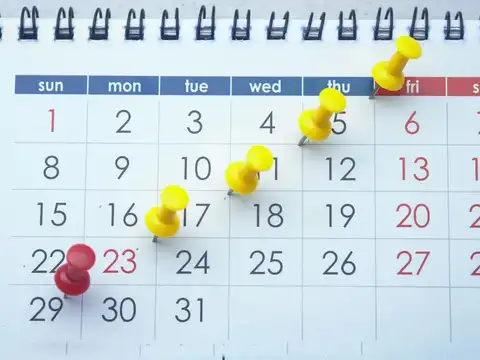
The number one reason no-buy challenges fail is going too hard too fast. Committing to twelve months from day one sets you up for an all-or-nothing mindset — one slip feels like failure. Experts recommend starting with a no-buy week, then a no-buy month, then reassessing. A short challenge also teaches you where your weak spots actually are, so you can write better rules before going longer. Think of it like running: build the muscle before the marathon.
7/7
Your challenge starts the moment you decide it does
You don't need an app, a special account, or a perfect plan. You need three things: a written list of your rules, a start date, and one person who knows you're doing it. Accountability changes everything. Track the money you would have spent and move it into a savings account in real time, watching that number grow is the most powerful motivation to keep going. The no-buy challenge isn't about living with less. It's about getting clear on what actually matters to you, and spending accordingly.