
Your bank said No. An NBFC said Yes. Here's what that loan really costs you
1/7
Bank or NBFC? Which loan should you actually pick?
The answer depends on who you are, not just what the ad says
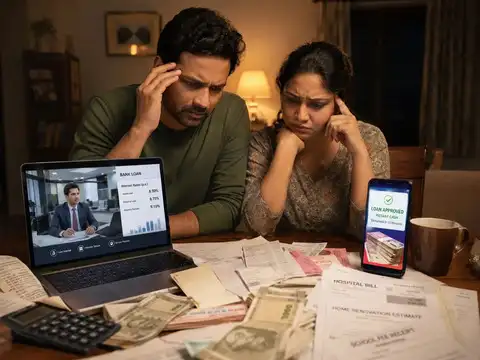
When you need money fast, for a medical emergency, home renovation, college fees, or a business idea, the first question is where to borrow from. Banks and NBFCs both offer loans, but they work very differently. One is not automatically better than the other. The right choice depends on your credit profile, how urgently you need the money, and how much you are willing to pay for convenience. This slideshow breaks it down clearly so you can decide with confidence.
When you need money fast, for a medical emergency, home renovation, college fees, or a business idea, the first question is where to borrow from. Banks and NBFCs both offer loans, but they work very differently. One is not automatically better than the other. The right choice depends on your credit profile, how urgently you need the money, and how much you are willing to pay for convenience. This slideshow breaks it down clearly so you can decide with confidence.

2/7
Speed vs safety: Know the trade-off
NBFCs move fast. Banks move carefully. Both have a place.
NBFCs and digital lending platforms can approve and disburse loans within hours or even minutes. They use non-traditional data points such as your app usage patterns, transaction history, and digital footprint to make quick decisions. Banks, by contrast, follow a more thorough verification process that can take several days. However, that slower process comes with a significant upside, banks are more tightly regulated by the RBI, offer stronger consumer protection, and carry lower operational risk. If your need is urgent and your credit profile is imperfect, an NBFC may be your best option. If you can wait a few days and want the security of a regulated institution with lower rates, a bank is the smarter choice.
NBFCs and digital lending platforms can approve and disburse loans within hours or even minutes. They use non-traditional data points such as your app usage patterns, transaction history, and digital footprint to make quick decisions. Banks, by contrast, follow a more thorough verification process that can take several days. However, that slower process comes with a significant upside, banks are more tightly regulated by the RBI, offer stronger consumer protection, and carry lower operational risk. If your need is urgent and your credit profile is imperfect, an NBFC may be your best option. If you can wait a few days and want the security of a regulated institution with lower rates, a bank is the smarter choice.
3/7
Your credit score changes everything
Banks reward good borrowers. NBFCs give chances to everyone else.
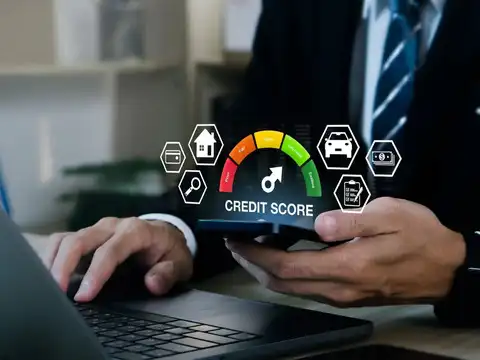
A strong credit score, typically above 750, and a stable income history will unlock the best rates at any bank. Banks are conservative by nature. They prefer borrowers with a long credit history, steady employment, and sometimes collateral for larger loan amounts. If you are a first-time borrower, self-employed, or have missed payments in the past, there is a real chance a bank will reject your application outright. NBFCs take a different approach. Many of them assess creditworthiness using alternative signals, your monthly transaction patterns, the apps you use, your utility payment history, and are willing to lend to profiles that banks would turn away. The trade-off is that this flexibility comes at a higher cost to you in the form of elevated interest rates and fees.
A strong credit score, typically above 750, and a stable income history will unlock the best rates at any bank. Banks are conservative by nature. They prefer borrowers with a long credit history, steady employment, and sometimes collateral for larger loan amounts. If you are a first-time borrower, self-employed, or have missed payments in the past, there is a real chance a bank will reject your application outright. NBFCs take a different approach. Many of them assess creditworthiness using alternative signals, your monthly transaction patterns, the apps you use, your utility payment history, and are willing to lend to profiles that banks would turn away. The trade-off is that this flexibility comes at a higher cost to you in the form of elevated interest rates and fees.
Amazon Top Deals
POWERED BY


4/7
The interest rate is not the full story
What you see advertised is rarely what you actually pay.
This is where most borrowers make expensive mistakes. When comparing a bank loan and an NBFC loan, never look at the headline interest rate alone. The actual cost of borrowing includes processing fees, which can range from 1% to 3% of the loan amount, prepayment or foreclosure charges if you want to close the loan early, late payment penalties, and in some cases advance payments or margin money for secured loans. A bank advertising 10% per annum with multiple additional charges can end up costing more than an NBFC offering 13% with minimal fees. Always ask for the full breakdown of costs before signing anything. Also find out whether the rate is fixed or floating. A floating rate can increase significantly over the tenure of a long-term loan, changing your repayment entirely.
This is where most borrowers make expensive mistakes. When comparing a bank loan and an NBFC loan, never look at the headline interest rate alone. The actual cost of borrowing includes processing fees, which can range from 1% to 3% of the loan amount, prepayment or foreclosure charges if you want to close the loan early, late payment penalties, and in some cases advance payments or margin money for secured loans. A bank advertising 10% per annum with multiple additional charges can end up costing more than an NBFC offering 13% with minimal fees. Always ask for the full breakdown of costs before signing anything. Also find out whether the rate is fixed or floating. A floating rate can increase significantly over the tenure of a long-term loan, changing your repayment entirely.
5/7
Big loans belong with banks. Small fast loans belong with NBFCs
Match the lender to the loan size and purpose
For large, long-term financial commitments such as a home loan or an education loan, banks are almost always the better option. They offer longer repayment tenures, sometimes up to 30 years for home loans, lower interest rates for eligible borrowers, and more standardised, regulated loan terms that protect you over the long run. NBFCs, on the other hand, are better suited to smaller personal loans, business microloans, or short-term credit needs where speed and flexibility matter more than rate. Many NBFCs also have upper limits on how much they will lend, making them less practical for large ticket borrowing. Think of it this way, for a ₹50 lakh home loan, go to a bank. For a ₹2 lakh emergency personal loan needed within 24 hours, an NBFC or fintech lender may serve you better.
For large, long-term financial commitments such as a home loan or an education loan, banks are almost always the better option. They offer longer repayment tenures, sometimes up to 30 years for home loans, lower interest rates for eligible borrowers, and more standardised, regulated loan terms that protect you over the long run. NBFCs, on the other hand, are better suited to smaller personal loans, business microloans, or short-term credit needs where speed and flexibility matter more than rate. Many NBFCs also have upper limits on how much they will lend, making them less practical for large ticket borrowing. Think of it this way, for a ₹50 lakh home loan, go to a bank. For a ₹2 lakh emergency personal loan needed within 24 hours, an NBFC or fintech lender may serve you better.

6/7
Is your NBFC even legit?
Not all lenders are created equal; always verify before you borrow
Banks in India operate under strict RBI regulations, are publicly listed or government backed in many cases, and have decades of operational history behind them. The risk of a bank behaving unethically or shutting down overnight is extremely low. NBFCs are also regulated by the RBI, but the degree of oversight is different. Some NBFCs are well-established, large, and professionally run, think Bajaj Finance, Muthoot, or Mahindra Finance. Others are newer, smaller, and less tested. Before borrowing from any NBFC, always verify that it is registered with the Reserve Bank of India. Check customer reviews, look at how long the company has been operating, and read the loan agreement carefully before signing. If an offer sounds too good to be true with instant approval, no documentation, guaranteed sanction, then treat it as a red flag
Banks in India operate under strict RBI regulations, are publicly listed or government backed in many cases, and have decades of operational history behind them. The risk of a bank behaving unethically or shutting down overnight is extremely low. NBFCs are also regulated by the RBI, but the degree of oversight is different. Some NBFCs are well-established, large, and professionally run, think Bajaj Finance, Muthoot, or Mahindra Finance. Others are newer, smaller, and less tested. Before borrowing from any NBFC, always verify that it is registered with the Reserve Bank of India. Check customer reviews, look at how long the company has been operating, and read the loan agreement carefully before signing. If an offer sounds too good to be true with instant approval, no documentation, guaranteed sanction, then treat it as a red flag

7/7
The golden rule before you borrow
Compare everything. Borrow only what you need. Choose what fits your life.
Before you take any loan, follow these steps.
First, calculate the total cost of borrowing. Add up every fee, charge, and interest payment across the full tenure, not just the monthly EMI. Second, check your credit score before applying, because a better score gives you negotiating power with any lender.
Third, compare actual offers from multiple lenders rather than relying on advertised rates.
Fourth, understand the repayment flexibility. Can you pay early without a penalty? Can you restructure if your income changes?
Fifth, never borrow more than you can comfortably repay even in a difficult month. The best loan is not always the cheapest one on paper — it is the one that matches your financial reality, your urgency, and your ability to repay without stress.
Before you take any loan, follow these steps.
First, calculate the total cost of borrowing. Add up every fee, charge, and interest payment across the full tenure, not just the monthly EMI. Second, check your credit score before applying, because a better score gives you negotiating power with any lender.
Third, compare actual offers from multiple lenders rather than relying on advertised rates.
Fourth, understand the repayment flexibility. Can you pay early without a penalty? Can you restructure if your income changes?
Fifth, never borrow more than you can comfortably repay even in a difficult month. The best loan is not always the cheapest one on paper — it is the one that matches your financial reality, your urgency, and your ability to repay without stress.