
Missed your education loan EMI? Here's what your bank can legally do next; check your rights as a borrower

1/7
Missed your education loan EMI? Here's what happens next
India's education loan NPA problem is growing and most borrowers have no idea what chain of events a single missed payment can trigger. This guide breaks down every step, from first reminder to legal action.
NPA risk
After 90 days of default
CIBIL drop
Hits immediately on miss
DRT filing
Lender's legal option
NPA risk
After 90 days of default
CIBIL drop
Hits immediately on miss
DRT filing
Lender's legal option

2/7
Day 1 to Day 90: exactly how a default escalates
Banks don't jump straight to legal action. There's a clear escalation ladder, and knowing it gives you time to act.
Miss an EMI: The lender sends first reminder notice within days
90 days unpaid: Account gets flagged as Non-Performing Asset (NPA)
Post-NPA: Lender can issue legal notice, attach assets, or approach the Debt Recovery Tribunal
Intentional default: Criminal case may be filed under RBI regulations
Miss an EMI: The lender sends first reminder notice within days
90 days unpaid: Account gets flagged as Non-Performing Asset (NPA)
Post-NPA: Lender can issue legal notice, attach assets, or approach the Debt Recovery Tribunal
Intentional default: Criminal case may be filed under RBI regulations
3/7
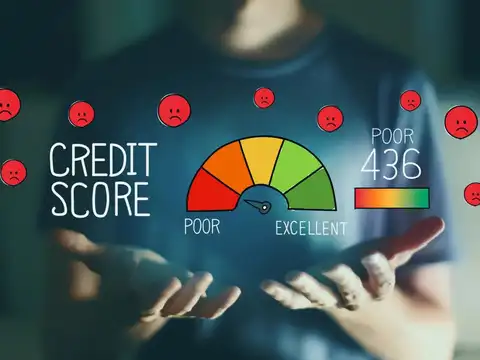
One default can haunt your credit score for years
Your CIBIL score takes a hit the moment you miss a payment, and the damage compounds the longer you stay in default. This affects your ability to get a home loan, car loan, or even a credit card for years to come.
*EMI delays reduce your CIBIL score immediately, even a single miss counts
*Future loan applications get rejected or face much higher interest rates
*A default entry on your credit report can persist for several years
*Lenders treat genuine hardship vs intentional default very differently
*EMI delays reduce your CIBIL score immediately, even a single miss counts
*Future loan applications get rejected or face much higher interest rates
*A default entry on your credit report can persist for several years
*Lenders treat genuine hardship vs intentional default very differently
Amazon Top Deals
POWERED BY

Crompton Ozone 75 Litres Desert Air Cooler for home | Large & Easy Clean Ice Chamber | 4-Way Air Deflection | High Density Honeycomb Pads | Everlast Pump | Auto Fill| 3 Year Brand Warranty
₹9,798Buy Now43%
OFF

LG 32 L Convection Microwave Oven (MC3286BRUM, Black, 360° Motorised Rotisserie for Bar-be-queing, 301 Auto Cook Menu, Stainless steel cavity, Indian Cuisine, Tandoor Se, Steam Clean & Diet Fry)
₹19,340Buy Now19%
OFF
4/7
4 legal actions a bank can take against you
Lenders have powerful tools to recover unpaid education loans. Here's exactly what they can do, and what you can do to prevent it from getting this far.
1.Send formal legal notices demanding repayment
2.Attach or seize property and assets used as collateral
3.File a case with the Debt Recovery Tribunal (DRT)
4.File criminal charges for willful / intentional default
1.Send formal legal notices demanding repayment
2.Attach or seize property and assets used as collateral
3.File a case with the Debt Recovery Tribunal (DRT)
4.File criminal charges for willful / intentional default

5/7
Even defaulters have rights. Know yours
RBI guidelines protect borrowers even during recovery proceedings. Banks cannot harass, humiliate, or bypass due process, no matter how large the default.
Right to notice before any repossession or recovery action
Right to fair value: You must be told the sale price of any seized asset
Right to be heard: You can challenge any repossession notice
Right to polite treatment: Harassment or abuse during recovery is prohibited by RBI
Right to notice before any repossession or recovery action
Right to fair value: You must be told the sale price of any seized asset
Right to be heard: You can challenge any repossession notice
Right to polite treatment: Harassment or abuse during recovery is prohibited by RBI
6/7
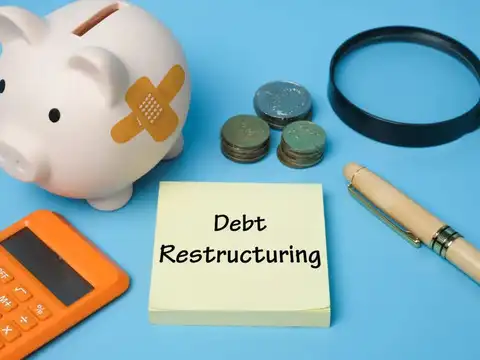
Struggling to pay? 3 options before you default
A default is not inevitable. Most lenders would rather restructure than litigate. Use these options before you miss your first payment.
Loan restructuring: Ask your lender to extend the repayment tenure or reduce EMI temporarily
Deferment / moratorium: Some lenders grant a short-term payment pause for genuine hardship cases
Proactive communication: Contact your lender before you miss a payment; early disclosure leads to more flexibility
Loan restructuring: Ask your lender to extend the repayment tenure or reduce EMI temporarily
Deferment / moratorium: Some lenders grant a short-term payment pause for genuine hardship cases
Proactive communication: Contact your lender before you miss a payment; early disclosure leads to more flexibility

7/7
Your 4-step plan to never default on an education loan
Stay ahead of the problem with these four habits which take minutes to set up and can save years of financial and legal stress.
*Set up auto-debit or calendar reminders so no EMI is ever missed accidentally
*Track your repayment schedule from day one; know exactly when each instalment is due
*If you sense trouble coming, call your lender first; don't wait for them to call you
*Explore flexible-tenure lenders before borrowing. Fewer surprises means fewer defaults
*Set up auto-debit or calendar reminders so no EMI is ever missed accidentally
*Track your repayment schedule from day one; know exactly when each instalment is due
*If you sense trouble coming, call your lender first; don't wait for them to call you
*Explore flexible-tenure lenders before borrowing. Fewer surprises means fewer defaults