
Buying a car? Your EMI is only the start; 8 hidden costs every owner must budget for
1/8
Car EMI is only the beginning
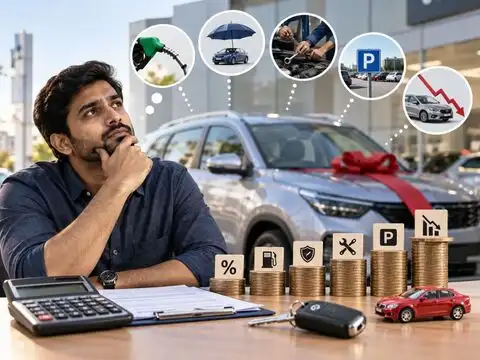
A car may look affordable when you focus on the monthly EMI, but that number tells only part of the story.
Once you add interest, fuel, insurance, maintenance, repairs, parking and depreciation, the actual cost of owning the vehicle can be much higher than its purchase price.
Before buying a car, ask one question: Can I afford to own it—not just pay the EMI?
Once you add interest, fuel, insurance, maintenance, repairs, parking and depreciation, the actual cost of owning the vehicle can be much higher than its purchase price.
Before buying a car, ask one question: Can I afford to own it—not just pay the EMI?
2/8
The EMI doesn’t show the full cost
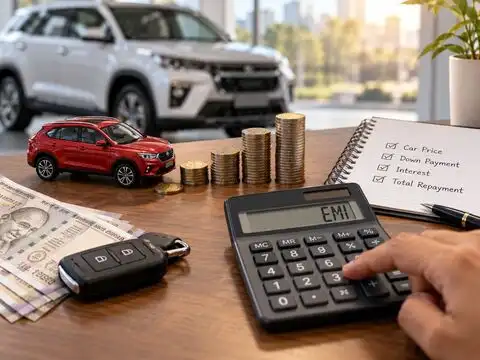
A ₹12 lakh car financed through a loan doesn't really cost ₹12 lakh.
You could pay thousands—or even lakhs—extra over the loan tenure through interest charges. A longer loan may make the EMI look comfortable, but it can increase the total amount paid substantially.
The right number to compare is the total repayment, not just the monthly EMI.
You could pay thousands—or even lakhs—extra over the loan tenure through interest charges. A longer loan may make the EMI look comfortable, but it can increase the total amount paid substantially.
The right number to compare is the total repayment, not just the monthly EMI.
3/8
Fuel can become your biggest recurring expense
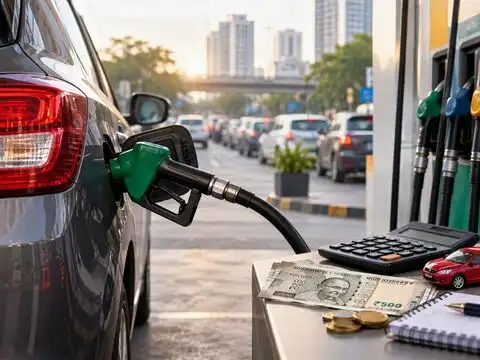
Fuel costs continue for as long as you own the car.
Your annual fuel bill depends on mileage, kilometres driven, fuel prices and driving conditions. Someone driving 1,500–2,000 km every month could spend considerably more than an occasional driver.
For city commuters, frequent traffic and stop-and-go driving can also reduce real-world mileage.
A cheaper car with poor mileage may not always be cheaper to run.
Your annual fuel bill depends on mileage, kilometres driven, fuel prices and driving conditions. Someone driving 1,500–2,000 km every month could spend considerably more than an occasional driver.
For city commuters, frequent traffic and stop-and-go driving can also reduce real-world mileage.
A cheaper car with poor mileage may not always be cheaper to run.
Amazon Top Deals
POWERED BY
4/8
Insurance and maintenance quietly add up
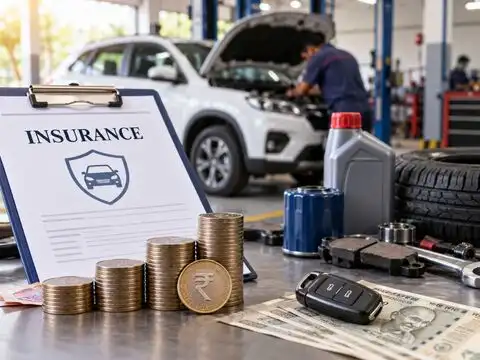
Insurance is an unavoidable ownership expense, while servicing and maintenance become increasingly important as the vehicle gets older.
Routine expenses can include:
*Periodic servicing
*Engine oil and filters
*Tyre replacement
*Battery replacement
*Brake components
*Insurance renewal
*Unexpected repairs
Skipping maintenance may save money today but can create a much larger bill later.
Routine expenses can include:
*Periodic servicing
*Engine oil and filters
*Tyre replacement
*Battery replacement
*Brake components
*Insurance renewal
*Unexpected repairs
Skipping maintenance may save money today but can create a much larger bill later.
5/8
Depreciation is the cost you don't see
One of the biggest costs of car ownership doesn't leave your bank account every month.
Depreciation.
The vehicle generally loses value as it ages and accumulates kilometres. When you eventually sell it, the difference between what you paid and what you recover represents a real economic cost.
A ₹15 lakh purchase price does not mean you will get anything close to ₹15 lakh when you sell.
Your car is a depreciating asset—not an investment.
Depreciation.
The vehicle generally loses value as it ages and accumulates kilometres. When you eventually sell it, the difference between what you paid and what you recover represents a real economic cost.
A ₹15 lakh purchase price does not mean you will get anything close to ₹15 lakh when you sell.
Your car is a depreciating asset—not an investment.
6/8
Parking, tolls and small expenses matter too
The hidden costs don't stop with fuel and servicing.
Depending on where you live and work, you may also pay for:
*Residential parking
*Office parking
*Toll charges
*Car washes
*Accessories
*Puncture repairs
*Roadside assistance
*Fines and miscellaneous expenses
Each cost may look small individually. Together, they can create a surprisingly large annual ownership bill.
Depending on where you live and work, you may also pay for:
*Residential parking
*Office parking
*Toll charges
*Car washes
*Accessories
*Puncture repairs
*Roadside assistance
*Fines and miscellaneous expenses
Each cost may look small individually. Together, they can create a surprisingly large annual ownership bill.

7/8
Calculate the 5-year cost—not just the purchase price
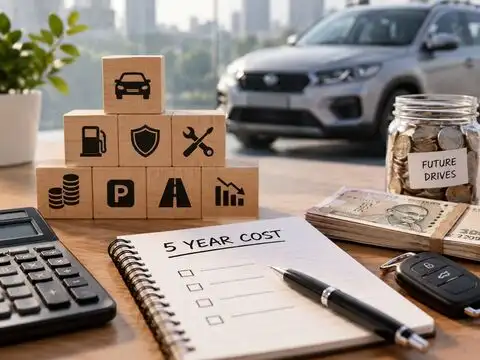
Before signing the loan papers, estimate your total cost of ownership (TCO).
A simple framework is:
Purchase/down payment + loan interest + fuel + insurance + maintenance + repairs + parking/tolls − resale value
For example, a car with a manageable EMI can still become expensive if you drive long distances, pay for parking and face high maintenance costs.
The cheapest EMI is not necessarily the cheapest car to own.
A simple framework is:
Purchase/down payment + loan interest + fuel + insurance + maintenance + repairs + parking/tolls − resale value
For example, a car with a manageable EMI can still become expensive if you drive long distances, pay for parking and face high maintenance costs.
The cheapest EMI is not necessarily the cheapest car to own.

8/8
The smarter question: Can you afford the car?
A financially sensible car purchase isn't about buying the most expensive vehicle your bank will finance.
Look at the total monthly ownership cost and compare it with your income, savings goals and other financial commitments.
Before buying, calculate:
EMI + fuel + insurance + maintenance + parking + other running costs
If that number leaves little room for emergency savings, investing or other goals, the car may be stretching your finances too far.
Don't buy a car because you can afford the EMI. Buy it because you can afford the ownership.
Look at the total monthly ownership cost and compare it with your income, savings goals and other financial commitments.
Before buying, calculate:
EMI + fuel + insurance + maintenance + parking + other running costs
If that number leaves little room for emergency savings, investing or other goals, the car may be stretching your finances too far.
Don't buy a car because you can afford the EMI. Buy it because you can afford the ownership.