
Instant loan, instant regret? What to check before you tap "apply" on a loan app
1/8
India now borrows in small, fast bites
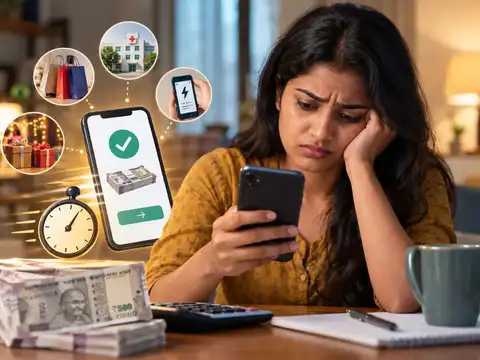
Digital lenders and fintech apps now handle roughly 70% to 77% of all personal loans sanctioned in India by number, according to the Fintech Association for Consumer Empowerment (FACE). In the April to June quarter of FY26-27 alone, digital NBFCs sanctioned about 3.4 crore personal loans worth ₹64,656 crore, with an average loan of around ₹18,802. That is not a home loan or a car loan. It is a phone bill, a medical expense, a festival purchase, or a gap before payday. The loan is small, the approval is quick, and that combination is exactly why it is worth slowing down.

2/8
Who is borrowing, and where
The growth is coming from younger borrowers and from smaller towns, not just the big metros. Many are taking their first-ever loan through an app. Redseer's market analysis adds that getting new customers is no longer the hard part for lenders. They now care more about how you behave as a borrower and whether you will come back for a second and third loan. So an app that approves you in minutes is also hoping you stay a long-term customer. Knowing that makes it easier to borrow on your own terms and not theirs.

3/8
Banks still hold the big money
Apps win on the number of loans, but traditional banks still hold around 60% of the total value of personal loans, because they lend larger amounts for longer. Think of it this way: apps are the corner shop, selling many small items, while banks are the wholesaler, selling fewer but much bigger orders. If you need a large sum, or you have a good credit history and can wait a little, a bank is usually the cheaper route. If you need a small amount urgently, or your credit history is thin, an app may be your realistic option. Just know what that convenience costs.
4/8
The price of speed, in plain numbers
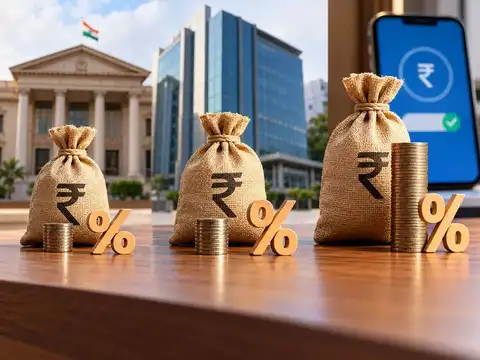
Here is how the lender types compare, based on the figures in the report. Public sector banks like SBI start at about 10% a year and go up to about 15%, with processing fees up to 1.5% plus GST. Private banks such as HDFC Bank and ICICI Bank start around 8.95% to 9.99% and can reach 16.5% to 24%, with fees of 2% to 4% plus GST, or a flat ₹6,500. RBI-registered digital apps and NBFC partners such as Moneyview, KreditBee, InCred and Airtel Finance start around 12.75% to 17% and can climb to 29.95% to 42%, with fees that are often higher on small, short loans. The lowest rates usually go to people with a credit score above 750, so your score decides much of what you pay.
5/8
Your rights before you sign
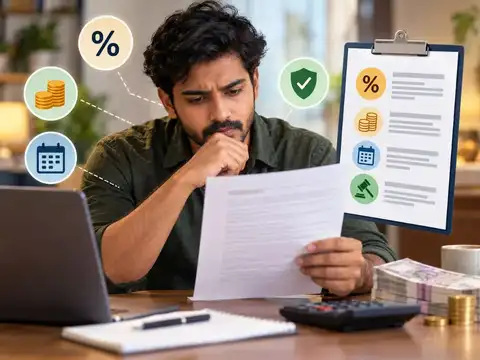
Under the RBI's Digital Lending Directions, 2025, which build on its 2022 guidelines, every lender must give you a Key Fact Statement before the contract is signed. It shows the all-inclusive annual percentage rate (APR), a breakdown of fees, how recovery works and the cooling-off terms. The rule that matters most: any fee not listed in that statement cannot legally be charged. So read the document, and compare the APR, not just the headline interest rate. The APR is the figure that includes the fees, so it tells you what the loan really costs.
6/8
You can change your mind
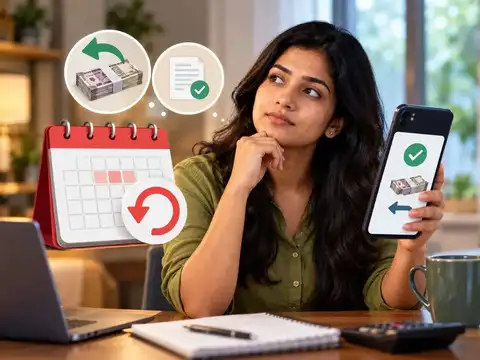
Borrowers get a cooling-off window to exit the loan, which is a minimum of one day and up to three days depending on how long the loan runs. In that time you can return the principal and the interest for the days you used it, without any prepayment penalty. If you took a loan in a rush and then found a better offer, this is your escape hatch. Check the exact number of days in your Key Fact Statement, because it depends on the tenure of your loan.
7/8
Where your money and your data should go
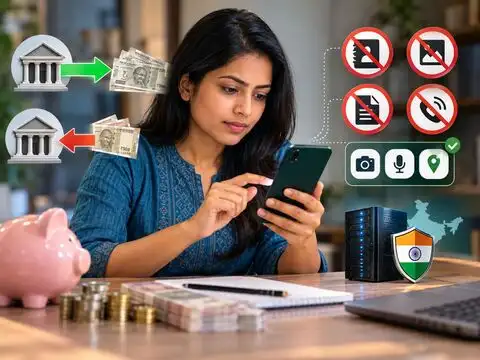
RBI rules say the loan must be paid straight from the lender's bank account into yours, and your repayments must go straight back to the lender, with no third-party pool account in between. If an app asks you to send money to an individual or an unrelated account, treat that as a warning sign. The rules also bar apps from reading your contact list, photos, files or call logs. They may ask for one-time access to the camera, microphone or location only for KYC and onboarding, and your data must be stored on servers in India. Lending service providers are also limited to offering default guarantees of no more than 5% of the loans they arrange, which is meant to keep the real lender responsible.
8/8
A 60-second check before you borrow
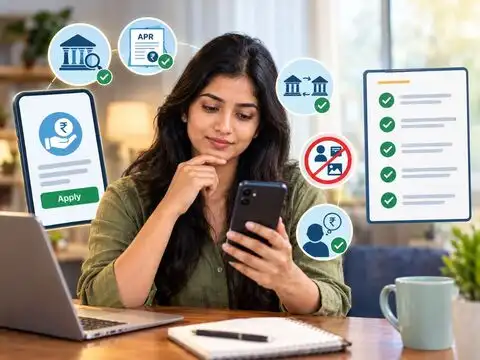
Personal loans now make up about 34% of household debt in India, and the RBI and the government have tightened rules because of high fees, very short repayment windows, harsh recovery tactics and fake apps. So before you tap "apply", do these things. First, search for the app in the RBI's public directory of digital lending apps and confirm it is tied up with a regulated bank or NBFC. Second, read the Key Fact Statement and note the APR and every fee. Third, check that money goes directly between bank accounts. Fourth, deny any permission the app should not need, such as contacts or gallery. Finally, ask yourself whether you can repay this comfortably. This is general information and not personal financial advice, so consider speaking to a registered adviser for bigger decisions.